The president announced a completed U.S.-Iran peace deal and said key restrictions will be lifted, a development that could reshape regional security and global trade.
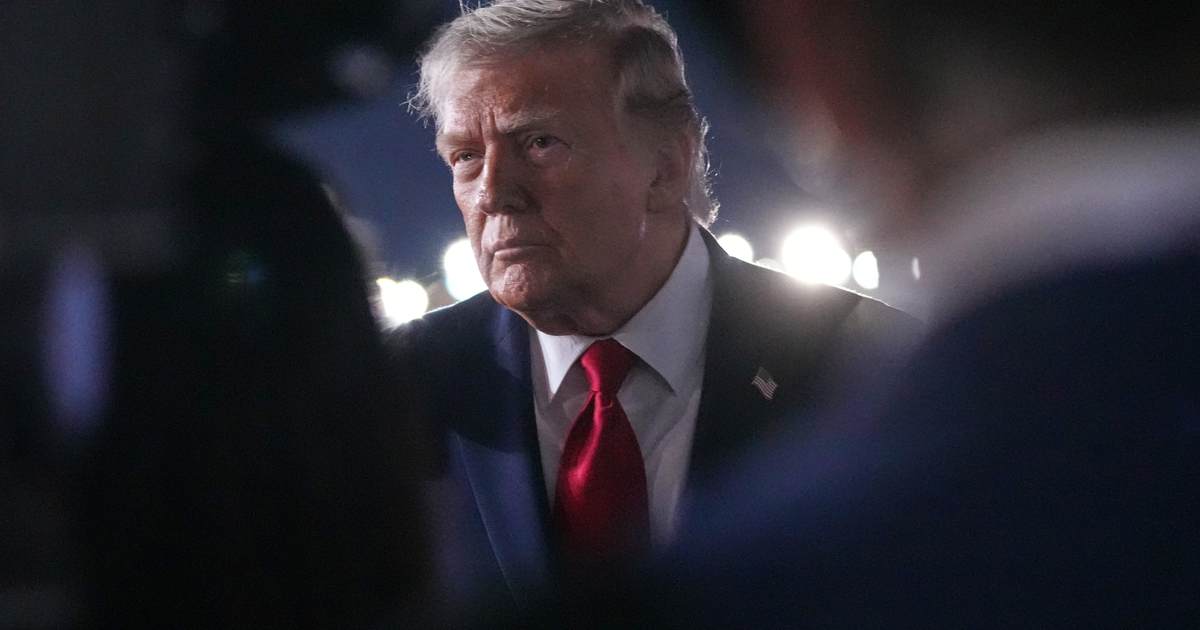
President Donald Trump posted on Truth Social that the United States and Iran have completed a peace deal, and his post said the Strait of Hormuz will open as the U.S. removes its blockade. The announcement landed fast and blunt, the kind of one-line dispatch that drives headlines and forces immediate policy parsing. For supporters, it reads like a straightforward win; for skeptics, it raises questions about verification and safeguards.
The core public claim is simple: the strait reopens and the U.S. ends its blockade, which would free merchant traffic and change naval patrol patterns. That change matters because the Strait of Hormuz is a chokepoint for global energy shipments, and even small shifts in access or enforcement ripple through markets. Officials and private firms will now have to move quickly to adjust routing, insurance, and contingency plans.
The timeline behind the announcement is stark: the U.S. and Israel started attacking Iran on Feb. 28, a fact that frames how this deal is being pitched and received. That opening act of force sets the backdrop for a negotiated pause or a settlement; when military pressure precedes diplomacy, claims of leverage are central to the political case. Supporters argue the strikes created the conditions for Tehran to come to terms, while critics say escalation and back-channel bargaining risk unstable outcomes.
https://x.com/WhiteHouse/status/2066272391525802417
Opening the Hormuz and lifting a blockade will have immediate commercial and strategic effects, from cheaper freight rates to reduced insurance premiums for shippers. Energy traders will watch crude and refined-product flows, and ports and pipelines will need new schedules and security protocols. For regional navies and the U.S. fleet, rules of engagement and patrol footprints will change, and those operational details determine whether the deal produces lasting calm or a fragile pause.
From a Republican perspective, this outcome is being presented as the result of decisive pressure followed by negotiated terms that restore American strategic advantages. The argument is that strong leadership and credible force brought Iran back to the table, where concrete concessions—like opening a vital shipping lane—can be extracted. That narrative appeals to voters who want security through strength and tangible results they can point to.
But practical questions remain. Who verifies compliance on both sides, and what mechanisms prevent quick reversals if trust erodes? Any credible arrangement needs inspectors, agreed timelines, and clear penalties for violations—details that will determine whether opening the strait is a durable change or a temporary breathing space. Regional partners and independent observers will push for transparency; without it, intelligence communities and markets will assume risk premiums remain elevated.
International reactions will be mixed and strategic. Allies who prioritized stability will welcome traffic through Hormuz resuming, yet many will demand guarantees and a verification framework before celebrating. Adversaries and domestic opponents of the administration will scrutinize the deal for concessions the United States may have made, while financial markets and insurers parse promises into concrete risk assessments.
Domestically, the announcement will fuel debate over the mix of force and diplomacy. Supporters will point to the return of normal shipping and the avoidance of prolonged conflict as evidence the approach worked. Opponents will demand to see the fine print, worried about hidden tradeoffs or a lack of enforceable safeguards that could leave the U.S. exposed if Iran shifts tactics later.
For the region, the deal’s fate will hinge on buy-in from Gulf states, Israel, and other neighbors whose security is tied directly to Hormuz and Iran’s behavior. Coordination with partners on maritime security, intelligence sharing, and contingency planning will be crucial in turning a headline into a stable outcome. If those pieces fall into place, the economic and strategic payoff could be significant; if they do not, the announcement may simply rearrange the next crisis.
Editor’s Note: Do you enjoy Townhall’s conservative reporting that takes on the radical Left and woke media? Support our work so that we can continue to bring you the truth.
Join Townhall VIP and use promo code FIGHT to receive 60% off your membership.