Michigan’s $1.8 billion incentive push produced 602 jobs at roughly $3 million per slot, raising sharp questions about cost, oversight, and results.
The headline number is stark and hard to defend: a statewide effort that spent roughly $1.8 billion and reported 602 new jobs. Put another way, the outlay works out to about $3 million per reported job, a figure that ought to make taxpayers and elected officials uneasy. This piece lays out the deals tracked, the problems flagged by the report, and what that means politically for the governor’s record.
The report tracked eight major subsidy deals:
- Fiat Chrysler: $109 million was spent to upgrade plants in Detroit and Warren
- Over $666 million was spent on General Motors/LG Energy Solutions for site preparation and factory retooling for electric vehicles
- Over $100 million was spent on Ford plant upgrades
- Over $125 million was spent on a Gotion factory in Mecosta County
- Over $200 million was offered to the Our Next Energy facility
- Lawmakers authorized $200 million for a paper manufacturer to upgrade its mill in Escanaba.
- Michigan authorized over $200 million in subsidies for Ford’s EV plant in Marshall
- Lawmakers authorized $250 million to buy and prepare land for an unnamed buyer, which hasn’t come so far.
The report summarized the problem:
“None of these deals have delivered what was originally announced. Two created only vacant fields. Two were canceled altogether. One deal has only a largely unused facility to show for it. Two others merely supported ongoing operations at existing auto plants that did not expand their operations. The most promising developments resulting from these deals are two battery plants that are still under construction but have already reduced their job targets from original expectations.”
The facts in that quote are blunt and damning. Vacant fields and canceled projects are not the kind of results voters expect when billions are committed, and the reduced job targets at the battery plants undercut the original pitch. When promises and performance diverge this dramatically, accountability questions follow naturally and urgently.
Doing the arithmetic makes the waste hard to ignore: $1.8 billion divided by 602 jobs equals roughly $3 million per job. That cost-per-job figure is far outside any reasonable return on investment for state taxpayers and suggests the program prioritized big headlines and corporate recruitment theater over durable, cost-effective job creation. To claim success with a stat like that is a stretch.
https://x.com/TPostMillennial/status/2071191933947412722
This isn’t only a numbers problem. It’s a policy failure in procurement and negotiation. Subsidies meant to seed new capacity instead propped up existing operations, bought land with no confirmed buyer, and underwrote projects that never delivered on promised expansions. Those outcomes expose the limits of top-down industrial policy run through political budgets and headline-grabbing press events.
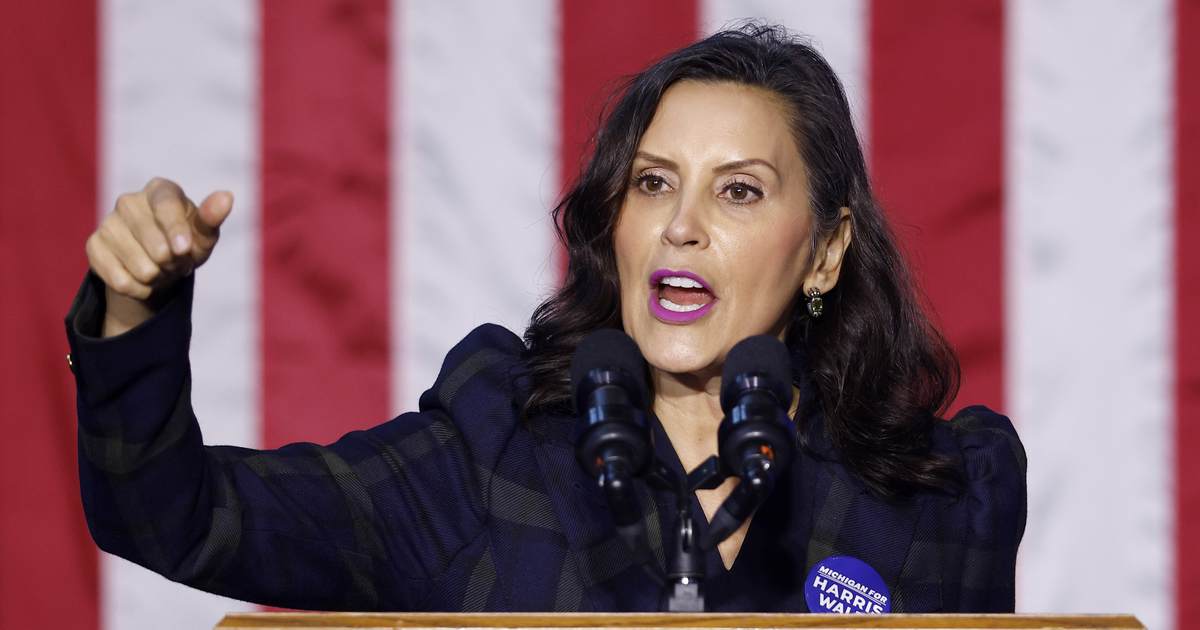
Politically, the timing matters. Whitmer’s time in office will end in January 2027 because of term limits. After that, she will likely run for president in 2028. That trajectory makes the results here more than a state matter; it turns these outcomes into part of a national résumé that will be scrutinized by primary voters and opponents alike. Politically minded conservatives will point to this record as evidence that big spending schemes do not automatically translate into sustainable economic growth.
From a Republican perspective, this episode reinforces long-standing critiques of corporate welfare. Taxpayer dollars should back projects with clear, enforceable milestones and clawbacks, not open-ended promises and optimistic press releases. When state money is deployed at this scale, strict performance conditions and transparent audits are essential to protect public funds.
There are lessons here for state leaders of any party: set realistic targets, write contracts that protect taxpayers, and demand public reporting that lets citizens see whether goals are met. Without those guardrails, the line between investment and giveaway gets blurry, and the public pays the price. The numbers in this report invite that debate and demand follow-up from lawmakers and watchdogs.
Whatever the political spin, the bottom line is simple: millions were spent, promises fell short, and the taxpayers still own the bill. The documented mismatch between dollars spent and jobs delivered will be part of the record voters and officials use to judge whether large subsidy programs are worth the cost and risk. The embeds that follow carry further documentation and source material for anyone who wants to examine the underlying reporting and evidence.