This piece lays out how recent arrests of pro-life demonstrators in Australia fit into a broader pattern of shrinking speech and self-defense rights, and it draws a direct line between those policies and changes made after gun restrictions.
Once a penal colony, always a penal colony. That blunt line still lands because Australia’s past as a place to send convicts left a cultural residue that shows up whenever authority tightens its grip. Today those old instincts look less like rugged survival and more like a willingness to criminalize dissent.
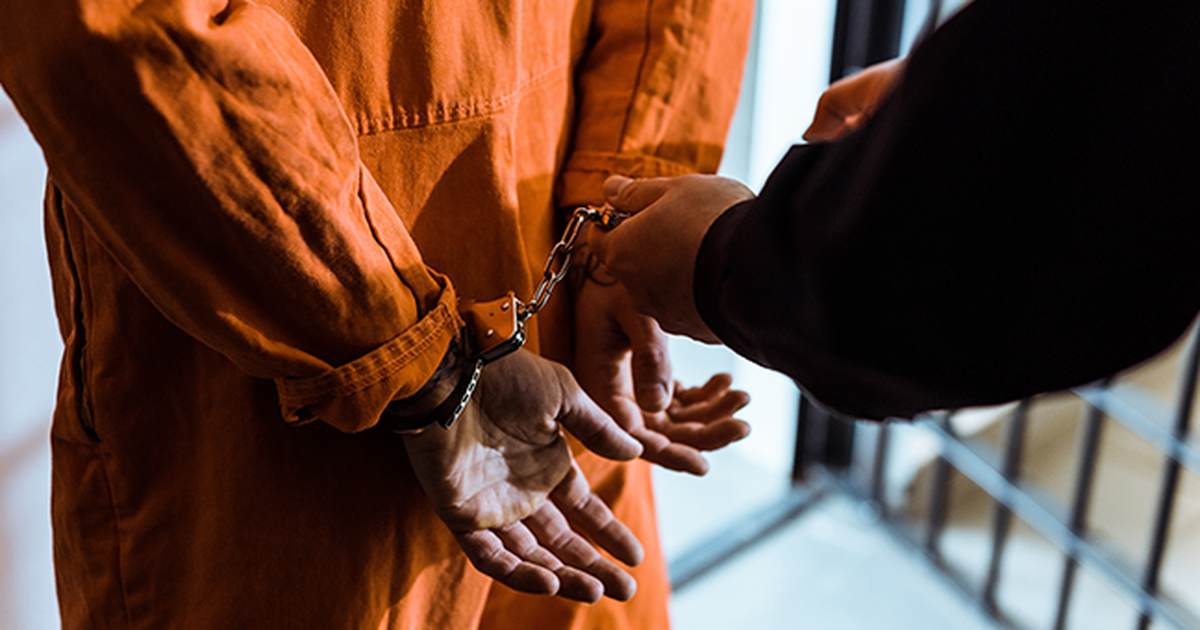
Recently, a group of pro-life demonstrators were arrested on charges of obstructing access to an abortion clinic even though witnesses say they posed no physical threat. The arrests were framed as maintaining order, but many see them as an overreach that targets speech and conscience. The way police moved in suggests priorities that punish certain viewpoints while leaving others alone.
No, free speech does not exist in Australia. That sentence captures a growing reality: laws and enforcement practices have narrowed the space for public protest in ways that do not treat all speakers equally. When speech is policed by subjective standards, it quickly becomes a tool to silence unpopular positions rather than to protect anyone’s rights.
What makes the current moment striking is how legal change and social engineering have combined to reshape everyday life. Australia’s gun restrictions are often pointed to as a model of public safety, but the trade-offs are visible in how citizens can, and cannot, defend themselves or their liberties. The debate over firearms bleeds into broader questions: who gets protection from the state, and who gets targeted by it?
It is no accident that civil liberties look different after sweeping policy shifts. It’s no coincidence all this happened after Australia gave up its guns. Removing the means for self-defense can change how power balances play out on the street, and it can encourage a law enforcement mindset that prefers control over restraint. When authority feels unopposed, it becomes more willing to test limits.
Public commentators and observers abroad have noticed the change and not all of the commentary is flattering. They are not, in fact, “off to a good start” unless you’re a totalitarian. Such blunt assessments sting because they force a comparison: is a society safer when citizens are disarmed, even if that safety comes at the cost of basic freedoms?
https://x.com/libsoftiktok/status/2076766166974869627
History and literature sometimes offer grim reminders about human nature and power. Remember what Orwell said about women. They were the most ardent adherents. When ideology becomes a badge of virtue, enforcement follows, and enforcement rarely treats everyone the same.
Across the debate, there are recurring claims that an armed populace is less likely to be oppressed. Yep. An armed society is a polite, and free, society. This is shorthand for a broader point: when citizens have both the means and the will to defend their rights, officials think twice before overstepping.
Critics will scoff, but statistics and anecdotes show the psychological effect of balance of power between state and citizen. Yes. When that balance shifts toward the state alone, the everyday cost falls on people trying to speak, pray, and act according to conscience.
Beyond the arrests themselves, the unsettling part is selective enforcement and cultural messaging. No, no. That’s different. It would be racist to stop them. Those conflicting signals undercut the claim of impartial justice and make it obvious that the machinery of law can be used to bend outcomes toward favored groups. That kind of selective law enforcement corrodes trust and makes political life more polarized.
What remains for observers and citizens abroad is to watch how these legal patterns evolve and consider the implications for free speech and personal liberty. Authorities who quietly expand policing powers in the name of safety can create a system that punishes dissent and shields favored causes. As that happens, debates about policy, morality, and public order will keep colliding with the simple facts of who gets protected and who gets prosecuted.