Former NFL star Chris Johnson, a member of the exclusive 2,000-yard rushing club, has been diagnosed with amyotrophic lateral sclerosis and is now living with severe symptoms that have robbed him of speech and normal physical function, a condition detailed in a recent national interview.
Watching footage and reading updates about Chris Johnson hits hard because this is not the athlete most fans remember from peak years. His life has shifted from football highlight reels to hospital corridors and clinical trials, and the change shows in the cadence of the story and in the way family members speak about him. People who followed his career see a sharp contrast between the player who tore through defenses and the man now fighting a relentless neurodegenerative disease.
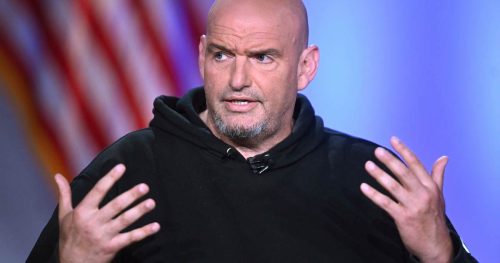
Johnson publicly revealed his diagnosis in 2025 during a TV interview that aimed to put a face on ALS and on what the disease does to families. In that segment, Michael Strahan interviewed Johnson alongside his wife, and viewers learned that Johnson has four children and is relying on assistive technology to communicate. The timing and the emotional detail made the story feel immediate and raw.
“There’s no history of ALS in my family,” said Johnson, who was using a speech-generating device based on recordings of his voice to speak. “My doctors believe my case is what’s called sporadic ALS, which is actually how the vast majority of ALS cases happen.
https://x.com/RapSheet/status/2071576571828183300
“… That’s one of the reasons this disease can be so shocking. It can happen to someone who never expected it.”
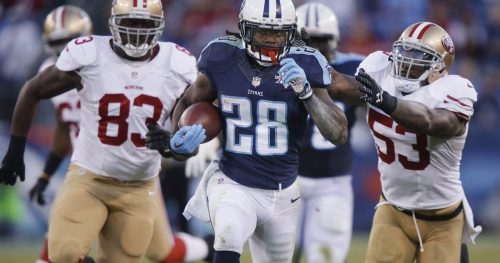
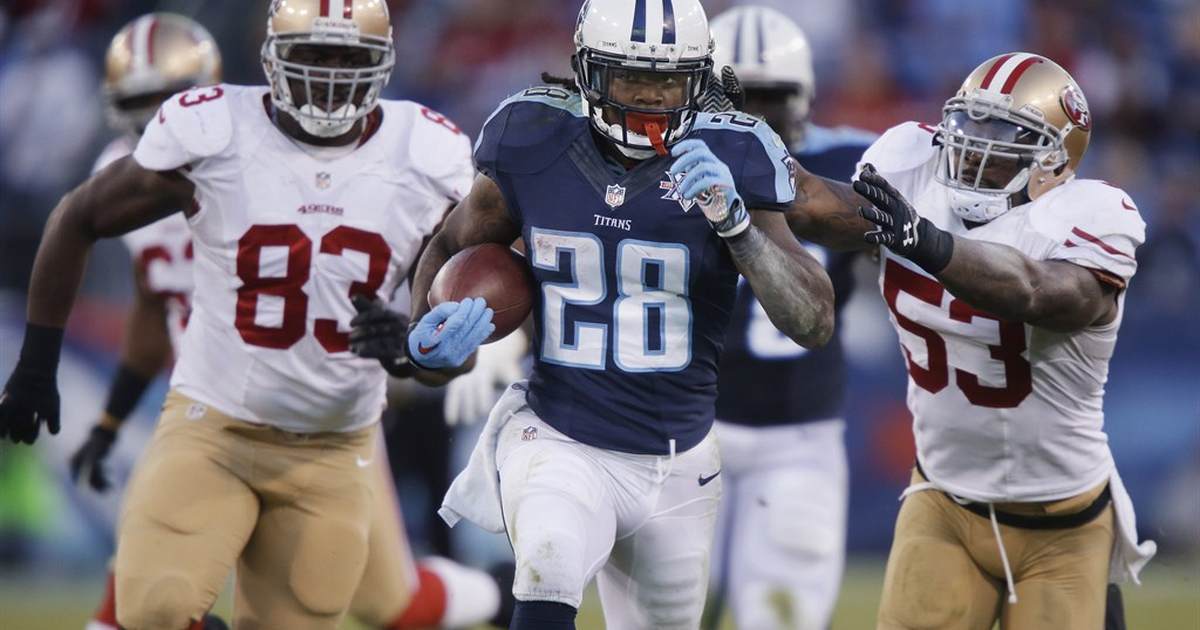
Johnson played 10 seasons in the NFL with the Titans (2008-13), New York Jets (2014) and Cardinals (2015-17). He earned the nickname CJ2K after he rushed for 2,006 yards in 2009, which still ranks seventh for a season in NFL history. He broke the NFL’s single-season record for yards from scrimmage that season (2,509) and was named The Associated Press NFL Offensive Player of the Year.
[…]
In a later post on his Instagram account, Johnson acknowledged the unknown about how he developed the disease and referenced the research that has linked repetitive head trauma to ALS.
“I hope the NFL steps up, invests in research and continues working to protect players — both now and for generations to come,” Johnson said. “Together, we can push toward better treatments and, one day, a cure.”
Johnson, who is taking part in a clinical trial as part of his treatment, told Strahan that he first started noticing symptoms when he had a weaker grip. Now, he can’t hold a cup or speak on his own.
“I thought because of football and, you know, his career, that it had to be something with that,” his wife, Brittany, told Strahan. “Maybe … a pinched nerve or something along those lines, but never ALS.”
Johnson’s on-field accolades are a reminder of how sudden and incomprehensible this diagnosis can feel to fans and family alike. He spent a decade in the league, posting numbers few running backs have matched and building a career that made him one of the most feared rushers at the time. Those achievements are now part of a more complicated legacy that includes a public grappling with long-term health effects tied to contact sports.
His day-to-day reality has shifted into managing progressive weakness and relying on medical trials and support systems to maintain quality of life. Johnson is participating in a clinical trial aimed at slowing disease progression, and his family has been front and center in describing both the physical limits and the emotional toll. Statements from his wife and from his public appearances underline how the family is adapting while seeking answers from the medical community.
The discussion around Johnson’s diagnosis also touches on research that has explored links between repeated head trauma and neurodegenerative disease. That connection is controversial in details but clear in its urgency: athletes, scientists, and leagues are under pressure to better understand risks and fund studies. Johnson’s plea that the NFL increase investment in research and player protection echoes a broader call from former players and advocates.
For many observers the story raises practical and moral questions about sport safety, long-term care, and the responsibility of institutions that profit from contact sports. Families like Johnson’s face immediate needs for medical care and adaptive equipment, while public debate focuses on prevention, compensation, and research priorities. The personal elements—his inability to speak without a device and the small daily losses such as not being able to hold a cup—bring those broader debates into human scale.
Even as Johnson leans on clinical trials and his family’s support, the situation remains fluid and uncertain. Medical teams continue to monitor symptoms and test potential therapies, and the family’s public updates have helped keep attention on both the patient and the ongoing scientific effort. The case is heartbreaking for fans and puts a spotlight on how the sports world confronts the long-term consequences of high-impact play.