This piece reports on the surprising appointment of actress Cynthia Nixon to New York’s Commission on Judicial Nomination and the strong reactions it provoked.
You read that right: Cynthia Nixon, known for Sex and the City and recent left-leaning political activity, has been named to a panel that vets candidates for New York’s highest court. The move landed amid what the original writer called the Mandani era, and it has conservatives and many in the legal community openly puzzled. Appointments that shape who sits on the bench should invite scrutiny, especially when they push the familiar lines of political theater into institutional roles.
The Commission on Judicial Nomination has a specific constitutional role: it supplies the governor with nominees for the Court of Appeals. That responsibility means the commission’s picks directly influence the court’s makeup for years. Given that power, bringing someone with a celebrity background and no legal credentials into the selection process looks more like a publicity play than a careful choice rooted in legal experience.
The announcement noted Nixon’s appointment runs through April 30, 2030 and that the position is unpaid. Those facts matter because unpaid or advisory roles still carry influence, and a decade-long window is long enough to affect multiple high court selections. Critics point out that acting chops and political endorsements do not translate into the kind of jurisprudential judgment this commission is supposed to exercise.
Voices from the legal world reacted with shock and frustration. Many lawyers who follow judicial nominations expected seasoned jurists or practitioners to fill commission seats, not celebrities picked from the left’s public-facing roster. The surprise is not only about the appointee’s résumé but about what the selection signals for the independence and seriousness of judicial vetting in New York.
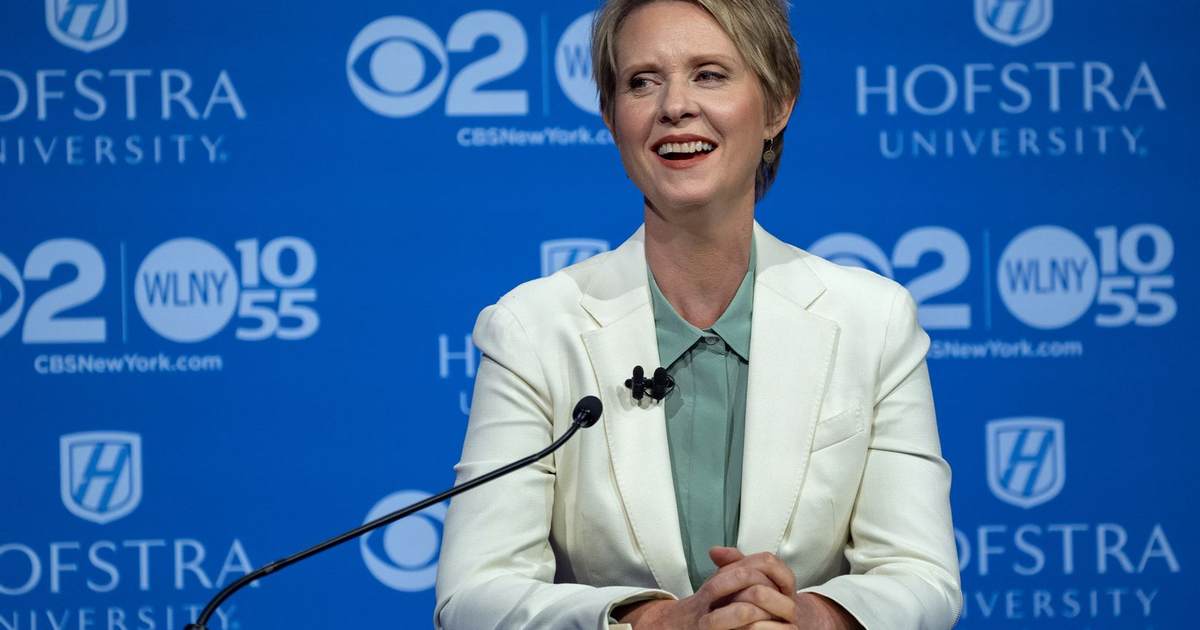
And just like that… lefty actress Cynthia Nixon will get to screen and recommend candidates to serve on the state’s highest court, The Post has learned.
Nixon — who isn’t a lawyer but played one on the hit HBO show “Sex and the City” — was just appointed to serve on the Commission on Judicial Nomination by New York Chief Judge Rowan Wilson.
The commission suggests and vets potential judges to the Court of Appeals. Nixon’s appointment runs through April 30, 2030 and the position is unpaid.
“The Commission’s mandate is a powerful one: the Constitution requires that the Governor choose Judges of the Court of Appeals only from the nominees of the Commission,” the panel’s website says.
[…]
Legal community insiders were stunned and outraged by the appointment of the actress, who ran for governor in 2018 and endorsed Zohran Mamdani for New York City mayor last year.
https://x.com/JonathanTurley/status/2078170777577226461?ref_src=twsrc%5Etfw
“She’s an actress! She’s known for ‘Sex and the City,’” fumed one lawyer who was flabbergasted by the pick.
Law professor Jonathan Turley was aghast at this move:
Dear lord, folks.
From a Republican standpoint, this appointment looks like a symptom of a broader problem: when partisan loyalty and celebrity status become acceptable qualifications for institutions meant to be meritocratic. Courts need people who understand legal doctrine, precedent, and the stakes of long-term judicial decisions, not more podiums for public figures. The long shadow a Court of Appeals justice casts demands selectors with demonstrated legal judgment and restraint.
Supporters will argue that diverse perspectives are valuable and that a non-lawyer can offer useful viewpoints on fairness or lived experience. That’s a reasonable debate, but it should be explicit and transparent, not glossed over by celebrity gloss. If the argument is that a commission benefits from broader civic voices, then that rationale must be weighed against the necessity of legal competence in recommending appellate judges.
What this appointment also underscores is how politicized these processes have become. When commissions are populated with well-known partisan figures, public confidence in the impartiality of judicial selection erodes. Courts function best when they are insulated, in practice as well as in theory, from obvious political theater; this move pushes the opposite direction.
New Yorkers and observers outside the state deserve to know the thinking behind such a choice and how it squares with traditional standards for judicial vetting. Transparent answers would help, but the initial reaction makes clear that many see this as a troubling departure from the norm. The composition of bodies that shape our courts matters, and appointments like this invite sharper scrutiny than celebrity PR.