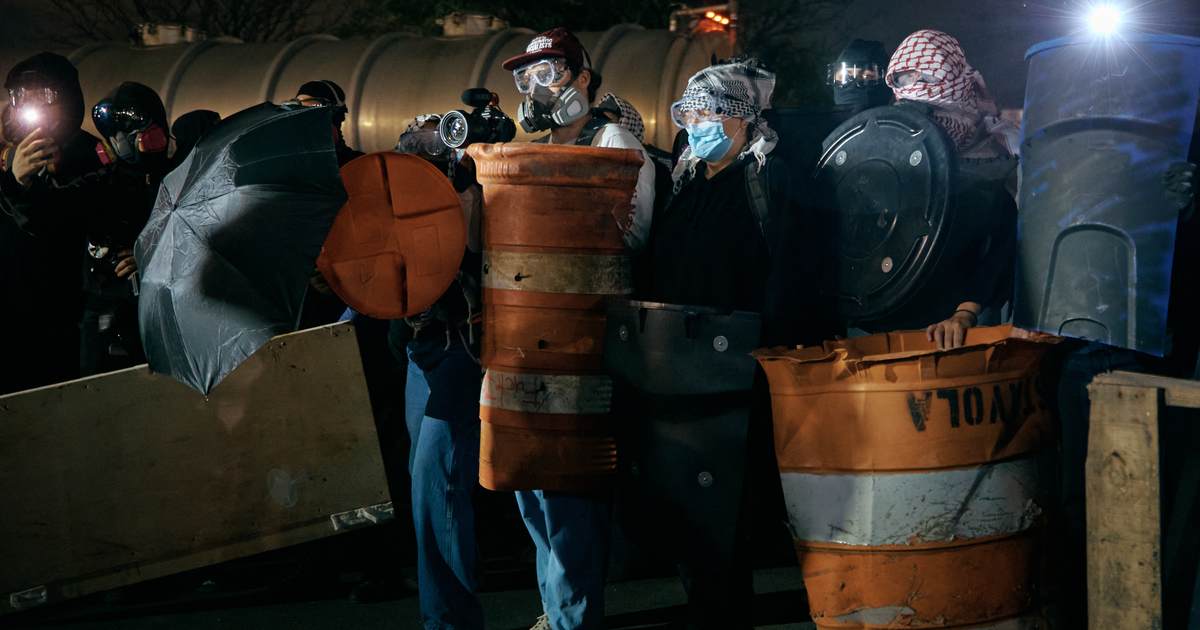
The viral tale about an immigrant detained while buying diapers that ignited protests in Newark has been challenged by new reporting, which shows the arrest followed an alleged domestic assault, not a grocery run.
The initial headline grabbed attention nationwide and sparked mass protests that turned violent in places. That surge of anger relied on a version of events that now appears to be inaccurate, and the political fallout was immediate and intense.
Statements and documents obtained by reporters show Martin Soto, a Peruvian national, was arrested by local police after an incident in which he allegedly injured an unnamed female victim. Officials described Soto using “his hands, both opened and closed to strike” and then “placed a hand over” the victim’s “mouth so she could not scream for help,” causing “minor scratches and cuts” to her face.
https://x.com/JennieSTaer/status/2080788174050136262?ref_src=twsrc%5Etfw
Soto’s wife, Gabriela, told a different story: that her husband was picked up by ICE while buying diapers for their son. That account spread quickly across social platforms and mainstream outlets, fueling demonstrations at Delany Hall in Newark that devolved into riots in some areas.
The family’s narrative generated both sympathy and cash; a fundraiser tied to the case reportedly raised $67,000. That money flowed on the strength of a version of events that officials and records now say does not match what police say happened at the scene.
When a politically charged story spreads fast, the chance for mistakes and manipulation grows just as fast. The left-leaning media and activist networks amplified the diaper story before law enforcement records were fully examined, which only deepened tensions in the city.
Authorities arrested another individual, Nicholas Matthew Scelfo, after he allegedly threatened to kill the family of an ICE agent amid the unrest. That arrest highlighted how quickly protests can escalate into threats and criminal behavior when emotions are stoked without full facts.
Soto entered the United States without authorization in January of 2024 and is now being held in the Elizabeth Detention Center in New Jersey. His immigration status and the criminal allegations will both play a role in how prosecutors and immigration officials proceed.
Republicans have warned for years that weak border enforcement and muddled immigration messaging produce predictable consequences: shortcuts to truth, opportunistic narratives, and public disorder. This episode provides another example where politics, media, and enforcement collided with ugly results.
Local police reports and booking details are the type of records that should have been front-and-center before demonstrations were organized around a single, emotive claim. Instead, the story shows how modern outrage often outpaces verification, and that gap can put officers, bystanders, and protestors at risk.
The broader lesson is simple: facts matter and due process matters, especially when charges of violent behavior are involved alongside immigration questions. When those two issues intersect, clarity and restraint should guide public reaction instead of immediate escalation.