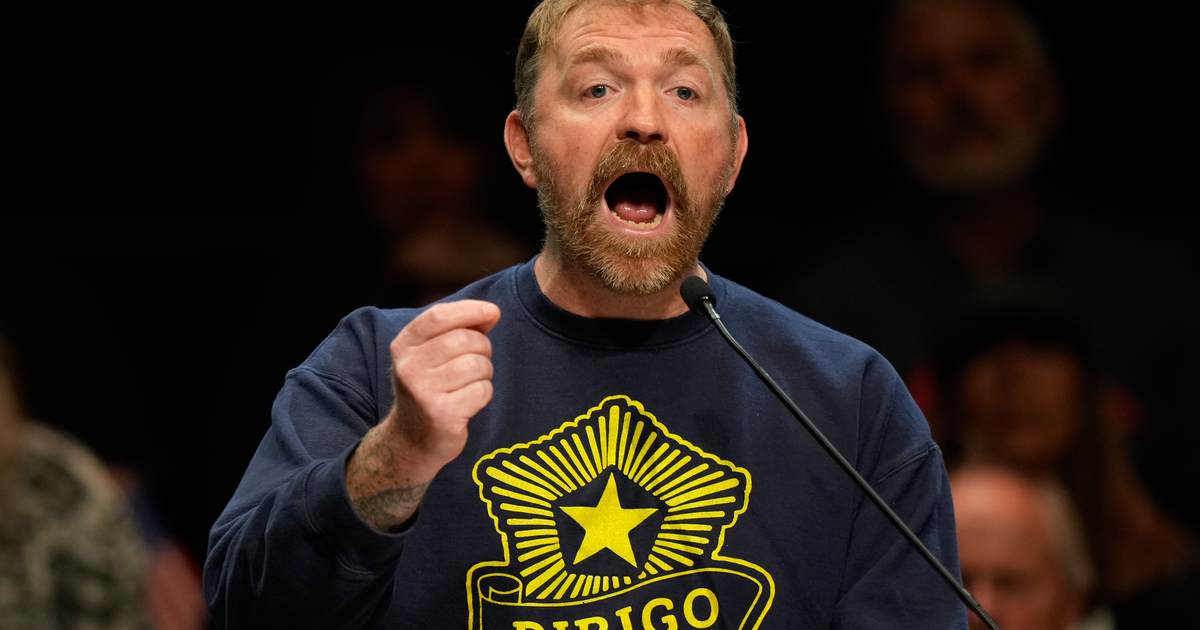
Graham Platner has halted campaign operations in the Maine Senate contest after fresh allegations and mounting fallout left his team unable to continue running an effective statewide effort.
The story shifted quickly when Jenny Racicot stepped forward with an account that reopened scrutiny of Graham Platner’s behavior, even as earlier reporting had already rattled his campaign. Platner had tried to present a clean record, but newer details undercut that claim and pushed his allies to reassess their backing. Voters and donors tend to move fast when character questions pile up, and this episode shows how fragile support can be for a candidate facing serious personal accusations.
Platner announced he was suspending campaign operations in a long video posted to Twitter, a move some interpreted as a soft exit rather than a formal withdrawal. He noted that the campaign no longer had the tools it needed to win, including fundraising capacity and access to voter data. That admission makes clear the practical reality any campaign faces once key infrastructure and money dry up. ‘I’m dropping out’ was the tone many observers heard even if those exact words were not used as a formal concession.
The allegations include troubling details that had not been fully addressed when The New York Times ran a piece that many readers thought did not capture the full picture. Subsequent revelations produced sharper accusations and renewed public anger, especially among those who want higher standards from elected officials. For Democrats who positioned Platner as an acceptable pick, the mismatch between his image and the reports about him became impossible to ignore. That dissonance sped up defections and raised questions about vetting.
https://x.com/grahamformaine/status/2075009677495058687
Some of the items that surfaced are the kind that make donors and party operatives nervous: contentious social posts, problematic imagery tied to a tattoo, and reported use of a sketchy app. Taken together, these details eroded confidence among the very networks that had been mobilized to propel him statewide. The campaign’s claim that there were no more skeletons in his closet fell apart as more came to light. In politics, perception often equals reality once stories gain traction.
Republicans and independent voters watching the scramble say this is a cautionary tale for how modern campaigns are built and destroyed. Party infrastructure can only prop up a candidate so long when credibility drains away. The Platner situation mirrors past collapses where allegations of personal misconduct triggered fast withdrawals of support, leaving an unraveling campaign in their wake. That pattern stresses the importance of thorough vetting before high-stakes endorsements are made.
Inside the Maine Democratic apparatus, aides convened crisis talks to decide next steps and to limit collateral damage in a competitive Senate contest. With the campaign no longer functioning at full capacity, time becomes the enemy for those trying to replace or recalibrate the effort. Statewide races are unforgiving; momentum is hard to rebuild once it vanishes. Opponents will use every opening, and the party has to move quickly to stem the fallout.
Jenny Racicot’s public account intensified scrutiny because it came from someone who identifies politically with the same side, which makes the claim harder to dismiss as partisan. That alone complicated the narrative and forced Democratic leaders to take the allegations seriously. When accusations come from within a candidate’s ideological circle, they often carry additional weight with both voters and the media. The resulting political pressure can be decisive for fundraising and endorsements.
For conservatives and others watching the race, the episode reinforces the argument that one party is sometimes slow to police its own. Critics note the contrast between early enthusiasm for Platner and the rapid collapse once troubling evidence surfaced. This has become a recurring theme in recent contests where parties rally behind nominees without adequately anticipating how damaging personal revelations might be. The result is a scramble that benefits political opponents and unsettles voters.
As the calendar moves forward, attention will turn to who replaces him on the ballot and whether the party can salvage a coherent strategy in Maine. Whoever steps in must overcome skepticism and rebuild a field operation almost from scratch. Meanwhile, the Platner story will be a reference point in future debates about candidate selection and oversight. It also serves as a reminder that character issues can derail even well-funded campaigns.
Ultimately, this episode underlines that modern campaigns depend on trust as much as resources, and once trust erodes the practical tools of campaigning can vanish overnight. The suspension of operations signals a recognition that without donors and data, a statewide effort cannot realistically proceed. For voters and operatives alike, the lesson is clear: vetting and transparency matter because the costs of getting it wrong are steep and immediate.