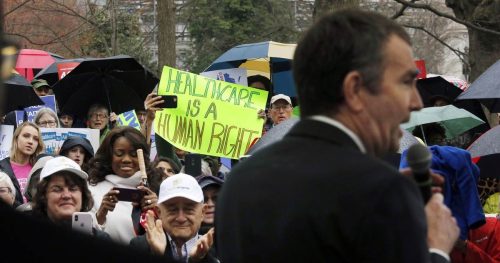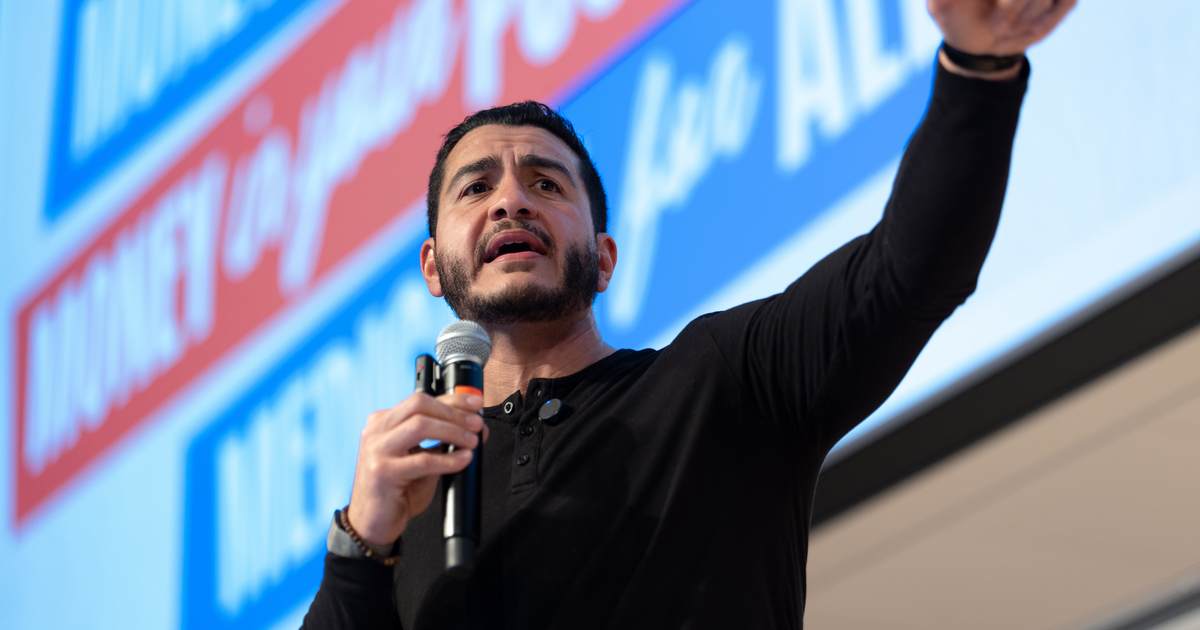
Abdul El-Sayed is facing renewed scrutiny for past support of defunding the police, and critics say his recent denials clash with recordings and media reports that show he backed reallocating police funds into social programs.
Defunding the police became a prominent Democratic talking point after 2020, driven by accusations of systemic bias and tragic incidents that dominated headlines. Many reforms followed, including wider use of body cameras, which changed the public record and complicated the narrative activists pushed. That history set the stage for a political minefield candidates now have to navigate.
The Democratic Party’s shift toward more radical elements has only intensified the debate. Factions like the Democratic Socialists of America press for sweeping changes beyond police budgets, and some activists openly call for dismantling prisons and large parts of the criminal justice system. Those positions don’t play well with voters who want safe streets and functioning institutions.
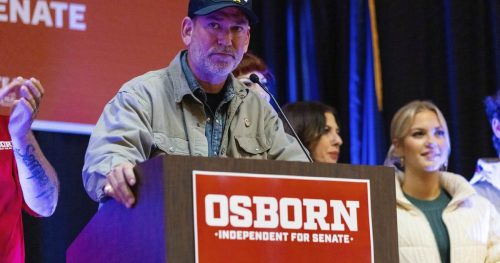
Abdul El-Sayed, currently running for the U.S. Senate in Michigan, was publicly aligned with the defund movement in 2020, but as the campaign heat rises he’s tried to step away from that record. Now he insists he “never, never called for defunding” the police, and says old tweets were “clickbait in DC” taken out of context. That reversal has left Republicans and swing voters asking which version of his record is the real one.
Michigan Democratic Senate front-runner Abdul El-Sayed has faced criticism for previous comments he made about defunding the police. In recent interviews, El-Sayed has insisted he “never, never called for defunding” the police. Last week in an interview with CNN’s Kasie Hunt, he said he deleted old tweets supporting the movement because they were taken “out of context,” calling them “clickbait in DC.”
https://x.com/KFILE/status/2074552014504071257
But interviews from 2020 show El-Sayed repeatedly endorsed defunding the police, according to a CNN KFile review of his media appearances. “We do need to defund the police,” El-Sayed said in a 2020 radio interview while specifically discussing how the slogan could undermine criminal justice reform efforts.
El-Sayed’s interviews from 2020 and 2021 show him embracing the “defund the police” movement — not just uttering the phrase but supporting the key principle of reinvesting funds from the police into other public-sector spaces such as mental health and anti-poverty efforts.
Republicans and many independents see this as a pattern: embrace radical ideas when safe, then distance when the political cost rises. That flip-flop matters because voters judge candidates by records and footage, not press releases. Clear, consistent positions on public safety are what persuades regular folks in towns and suburbs.
Critics argue that radical reallocation plans amount to letting criminals roam while money gets poured into programs that lack accountability. The concern is not just theory — cities that leaned on soft-on-crime policies saw rising victimization in neighborhoods that already struggled economically. Those living on tight budgets, disproportionately Black and Hispanic families, ended up paying the price for well-meaning but poorly executed experiments.
These are not abstract warnings; residents in many cities have reported feeling less safe and more ignored when prosecutors and elected officials prioritize ideological reforms over enforcement. Crime spikes and bail changes have real consequences for small-business owners, parents, and commuters. When public safety erodes, the first victims are often the people the reforms claimed to protect.
“Bingo” might be a one-word reaction, but the implication is obvious: voters notice inconsistency, and political opponents will highlight it. When a candidate’s old statements are on tape, it’s hard to make them disappear with a campaign statement. Accountability follows recorded interviews and archived tweets.
El-Sayed can try to rebrand, but records and contemporaneous interviews are enduring. Campaigns are won and lost on credibility, especially on law and order topics that touch voters in their daily lives. Candidates with radical pasts who now claim moderation will face relentless scrutiny from opponents and skeptical voters alike.
The broader debate here is about the direction of the Democratic coalition and how far reformers will push their agenda if given power. Some in the DSA openly advocate for dismantling core institutions, and that prospect alarms many Americans who value stability and the rule of law. For voters focused on safety, the question is whether elected leaders will protect communities or experiment with policies that have shown mixed results on the ground.