Sen. Mitch McConnell’s health and recent medical scare have raised serious questions about his fitness for leadership, the political math in Kentucky, and what the GOP should do next.
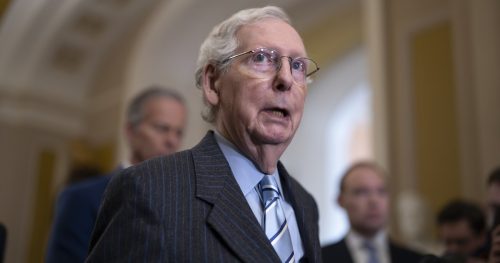
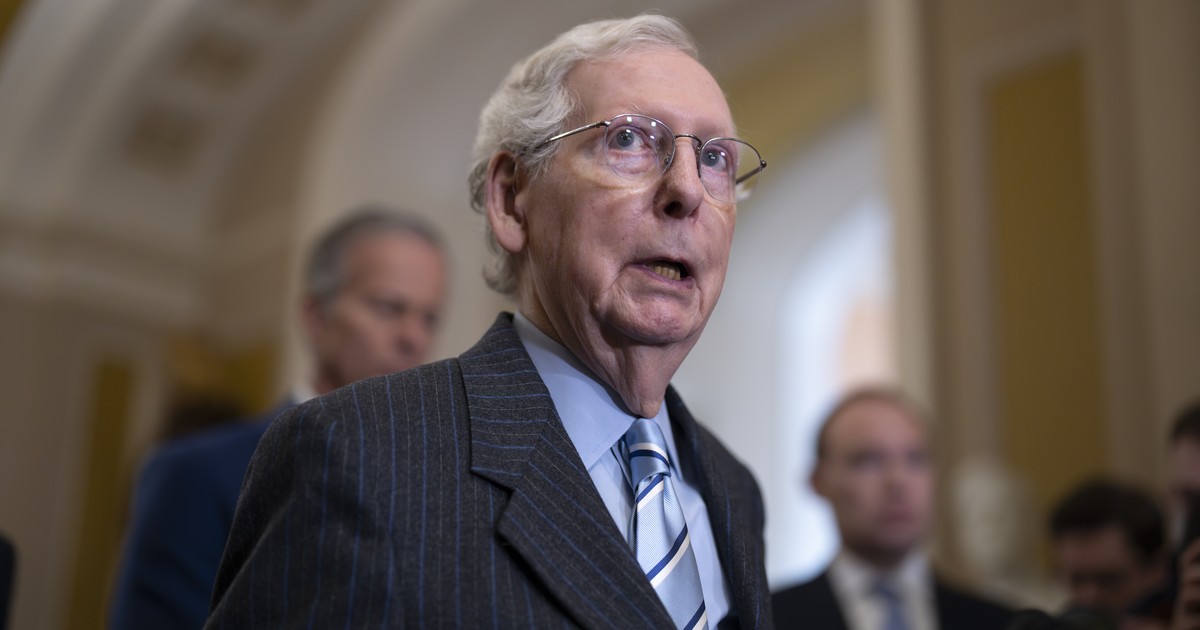
The images of Senator McConnell freezing on camera and suffering public falls are still fresh, and conservatives are rightly uneasy about the situation. These incidents are not small quirks; they are visible signs that a senator in a high-pressure role may be struggling to do the job. Republican voters and lawmakers deserve straightforward answers about capacity and plans for continuity.
There’s a clear, practical reason many on the right have been urging transition rather than propping him up: the state’s political environment complicates any simple handoff. Kentucky’s Democratic governor has signaled opposition to appointing a Republican to fill a Senate vacancy, creating a strategic risk for the GOP if McConnell stays too long. That uncertainty weighs on any decision about whether McConnell should remain in leadership or step aside for the good of the conference.
Reports indicate McConnell was rushed to the hospital after a medical emergency in June, with details suggesting a serious cardiac event and a period of unconsciousness. The timing and severity of that episode intensified concerns inside and outside the Senate about his ability to serve effectively. The public deserves transparency about what happened and what it means for his duties going forward.
https://x.com/PollTracker2024/status/2072395962681610463?ref_src=twsrc%5Etfw
On the same morning Republican Sen. Mitch McConnell was hospitalized last month, emergency medical personnel went to his home to respond to an unconscious person who appeared to experience “cardiac arrest,” according to a public EMS dispatch call reviewed by CBS News.
During the recording, a dispatcher called in a “cardiac arrest” and a medic said there was “CPR in progress” at McConnell’s address. The dispatcher also said somebody was “unconscious.” The call came in before 9 a.m. on June 14. The senator’s name is not mentioned during the call, and CBS News has not confirmed the identity of the unconscious person.
Audio of the call was first shared by journalist Desiree Townsend.
On the same day as the dispatch call, a spokesperson for McConnell said in a statement that the Kentucky Republican was hospitalized and was “receiving excellent care.” No details were provided about why he was admitted or where.
McConnell’s last recorded vote was on June 11, which is now being scrutinized in the context of his hospitalization and public episodes. Voters and colleagues alike want to know whether his participation in Senate business remains reliable. The optics of missed votes and medical questions matter in a closely divided Senate where a single vote can be decisive.
From a Republican perspective, this is not about personal attacks; it’s about preserving conservative gains and ensuring effective representation for Kentucky. The party needs clear rules for leadership transition and succession so the Senate can continue functioning without chaos. Pretending everything is fine until a crisis hits is poor stewardship and weak politics.
Kentucky’s governor, who has publicly resisted appointing a Republican successor, adds a political layer that makes the decision more than a private matter. If Republicans allow a weakened leader to linger, they risk losing a seat to political gamesmanship at the state level. That makes timely, candid decisions all the more urgent for the GOP to protect its majority and its agenda.
Conservative voters should demand honest briefings from McConnell’s office and a credible plan for continuity. The party should prepare for every contingency, from temporary incapacity to permanent vacancy, with an eye toward maintaining Senate operations and advancing conservative priorities. This isn’t about disrespect; it’s about responsibility to voters and to the institution itself.
Lawmakers on both sides ought to prioritize transparency, respect, and a clear path forward that protects Kentucky’s representation and the Senate’s stability. The Republican approach should be firm but fair, balancing concern for the senator with the need to secure leadership that can meet the demands of the job. At stake is not just one man’s tenure, but the effectiveness of conservative governance in Washington.