The campaign to outlaw hunting and fishing in Oregon failed to qualify for the ballot after a signature verification left it thousands short, ending the latest push by animal rights activists to eliminate long-standing exemptions in state law.
The push known as Initiative Petition 28, or the PEACE Act, submitted 142,784 raw signatures by the July 2 deadline and needed 117,173 valid entries to appear on the ballot. After two rounds of statistical sampling the Elections Division validated just 104,262 signatures, or 73.25 percent, leaving the effort roughly 13,000 signatures short. The shortfall means the measure will not be on the November ballot.
Oregon’s Secretary of State’s office announced the result, closing this particular chapter for the organizers behind the measure. The proposal’s formal name was the People for the Elimination of Animal Cruelty Exemptions Act, and it sought major changes to current animal cruelty statutes. That change would have stripped many long-accepted legal exemptions that affect everyday rural life.
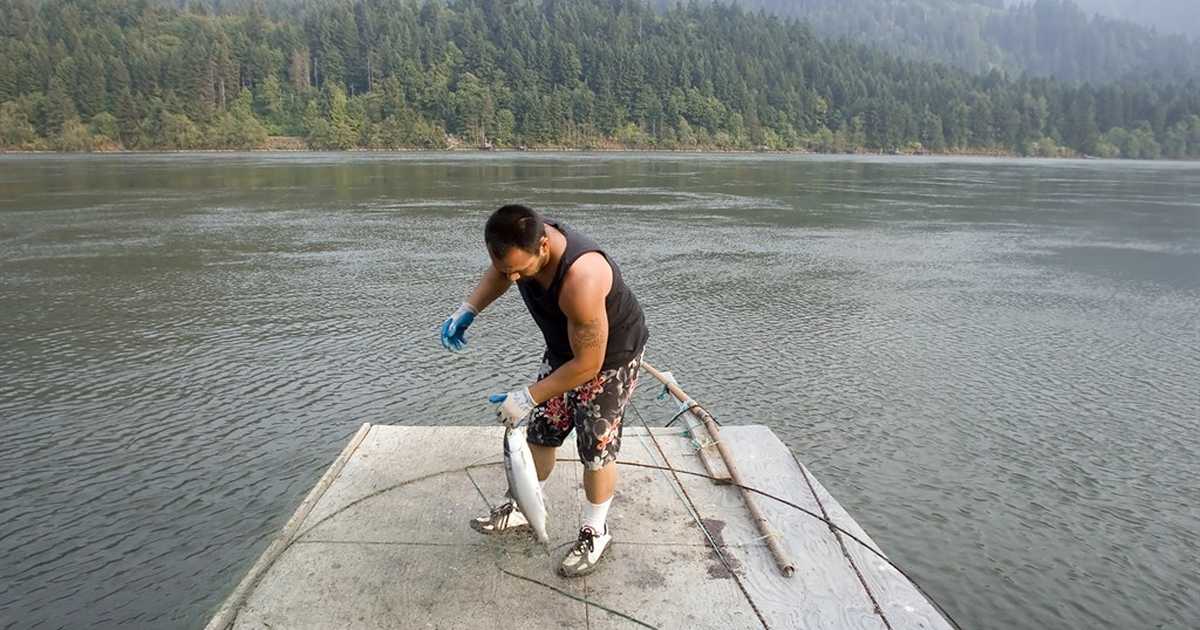
Under the plan, exemptions covering hunting, fishing, trapping, livestock slaughter, common husbandry practices like castration and dehorning, pest control, scientific research, rodeos, and commercial poultry operations would have been removed. The scope would have been sweeping, touching farmers, ranchers, researchers, and sportsmen alike. Those practical activities are embedded in rural economies and tribal practices across the state.
The measure would have treated any nonhuman mammal, bird, reptile, amphibian or fish as a protected animal, and intentional injury or killing would have become a crime except for self-defense against an immediate threat or approved veterinary care. That language raised immediate alarms for those who manage wildlife and work with livestock every day. Criminal liability in those contexts would have created enforcement and cultural conflicts around longstanding practices.
Backers promised a Humane Transition Fund to offset the economic impact, offering income replacement, job retraining and food assistance to affected workers. This was not the petitioners’ first try; chief petitioner David Michelson, along with Isaac Farias and Sean Rice, had failed to reach signature thresholds with similar measures in earlier cycles. Previous attempts were short for the 2022 and 2024 ballot efforts.
The current campaign began circulating the version approved in 2024 and raised more than $300,000, with significant contributions coming from out-of-state animal rights donors. That funding helped organizers collect signatures across Oregon, but the verification process still came up short. Supporters described the signature drive itself as a way to build momentum even if victory was unlikely in the near term.
https://x.com/FirearmsGuide/status/2082179029525016980
Reactions came from across the political spectrum. “I’m relieved IP-28 failed to qualify for the November ballot,” Gov. Tina Kotek said. “Efforts to criminalize activities like hunting and fishing are wrong for Oregon. I know from conversations with Oregonians across the state that this measure would have done nothing to help them.
All 37 Oregon House Democrats had previously opposed the measure, arguing that criminalizing farming, ranching, hunting and fishing would be wrong and would ignore the treaty rights of Oregon’s nine federally recognized tribes. Tribal rights and traditional uses of land and wildlife were central to the opposition. Those concerns built a broad coalition against the proposal.
Local conservation and hunting groups framed the outcome as a defense of wildlife management and outdoor heritage. Todd Adkins, executive director of the Oregon Hunters Association, said, “This is a massive victory for everyone who values Oregon’s wildlife management and outdoor heritage, but we cannot afford to simply celebrate and wait for the next attack.” His warning reflects a view that activists will continue to test the system.
Supporters of the measure were frank about the uphill battle. “We know that this is unlikely to pass in 2026,” Michelson said in a previous interview. “No one on the campaign thinks that this will pass right now.” That honesty underlines a long-game strategy: build awareness, adjust tactics, and try again.
From a conservative perspective, the failed drive is a clear win for private property owners, rural economies, and tribal sovereignty. It sends a message that sweeping criminalization of common practices will face stiff resistance at the ballot box and from elected officials. Voters and lawmakers raised practical concerns about enforcement, unintended consequences, and federal treaty obligations.
Animal rights advocates framed their push as protecting vulnerable creatures, but opponents argued the movement’s end goals stretch beyond welfare into reshaping how Americans live, work and eat. That debate about the role of government in regulating private and cultural behavior is now central to future fights. Organizers on both sides will likely recalibrate for the next round, keeping this issue alive in Oregon politics.
For now, hunting and fishing remain legal and regulated activities, and the lanes for policy change will be contested through future legislative and ballot efforts. Those who value outdoor traditions see this as a reprieve, but also as a reminder that advocacy campaigns with deep pockets can return with new proposals. The political and cultural clash over animals, agriculture and individual freedoms in Oregon is far from settled.