James Talarico called “trickle-down economics” theft, and this article pushes back by contrasting that claim with concrete examples of government-driven seizure and taxation that take money and property from Americans.
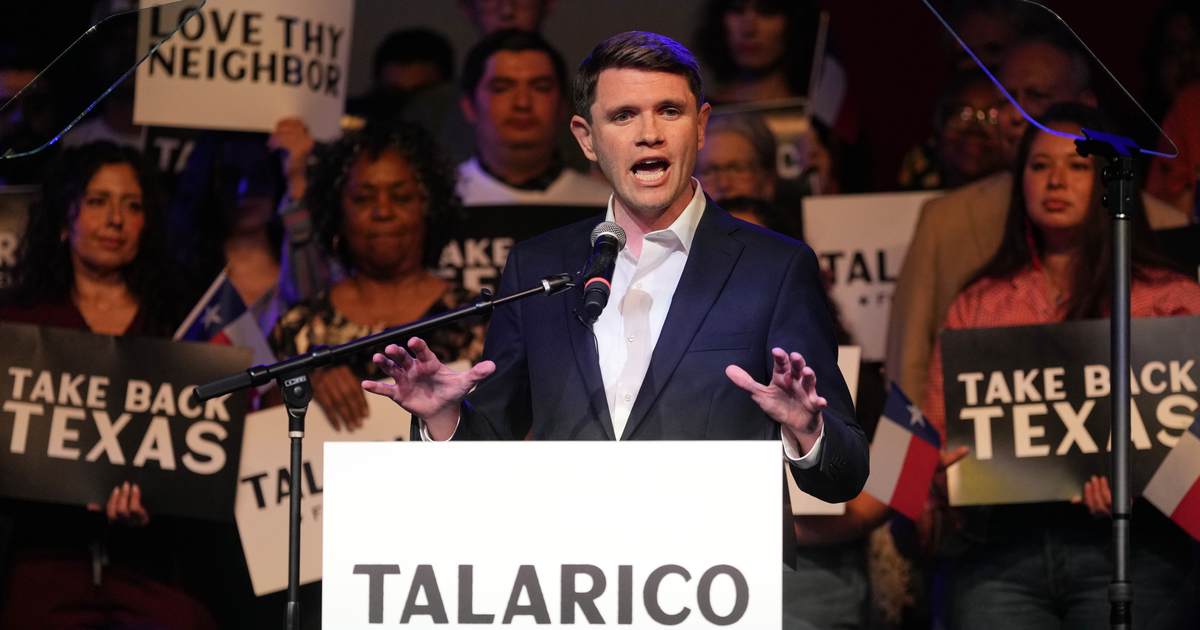
James Talarico, a Texas Democrat running for Senate, recently told a crowd, “Trickle-down economics is not a theory. It is theft” and added that wealthy people “ have been stealing the wealth that we all created. It’s why everything sucks right now. It’s why people are so angry.” That blunt charge gets applause on the campaign trail, but it deserves a hard look because the real mechanics of taking are often misunderstood.
Trickle-down economics, at its simplest, is the belief that policies favoring investment and growth at the top will expand opportunities for everyone through job creation and higher wages. Critics reduce that explanation to caricature and then label the wealthy as thieves, but rhetoric doesn’t change how markets or incentives work. It’s easy to score political points by blaming people who invest, hire, and create businesses rather than examining who writes and enforces the rules.
When politicians accuse capitalists of theft they are shifting focus away from the actions of government. Taxes deducted from paychecks, fines, license fees, and regulations are all enforced by the state, not corporations. If people are losing money or property, it often traces back to laws, not to entrepreneurs or shareholders.
Where are the capitalists who swipe money from your paycheck every time you get paid? Are corporations constantly increasing the amounts they take from you under threat of punishment if you don’t pay it?
https://x.com/RNCResearch/status/2082502064093954366
One especially stark example of government seizure is civil asset forfeiture, a practice where authorities can take cash, cars, and even homes without convicting the owner of a crime. Since 2000, law enforcement has taken in at least $82 billion at the federal level and $25 billion at state and local levels through this and related practices. Those numbers point to a system in which the state can act like a collector, often without the due process most Americans assume accompanies property loss.
Civil asset forfeiture shows how the state can become the biggest purveyor of what looks like theft. People can lose access to money or property while they still fight in court to prove their innocence, and the burden often falls on the citizen to reclaim what was taken. That structural advantage is what fuels distrust far more than private sector decisions about investment and hiring.
Property taxes and foreclosure rules are another place where government power can feel like confiscation, especially when bureaucracies use aggressive measures to collect fees and penalties. Yes, loans and mortgage defaults involve private lenders, but many collection tools and timelines are shaped or authorized by law. The political debate should differentiate voluntary contractual risk from compulsory state levies and seizures.
I am not arguing wealth and corporations are flawless. Greed exists everywhere human incentives align, and some firms make bad choices. But painting all wealthy people as thieves ignores the more powerful force in most Americans’ lives: public policy. Bad rules, unchecked enforcement power, and sprawling government programs often create the real harm people experience.
The proper lens for this debate is responsibility. Ask which institutions set the rules that remove property or earnings and who benefits from those rules. When the state grows big enough to determine outcomes through regulation, taxation, and enforcement, blame belongs at the level of the state’s choices. That reality undercuts slogans that make a social class the scapegoat for structural failures.
Campaign sound bites like “it is theft” resonate politically, but they also shortchange voters who want solutions. Addressing economic pain requires evaluating where power lies, tightening due process protections, and rethinking incentives that reward confiscatory enforcement. Pointing fingers at entrepreneurs while ignoring the role of government is a political move, not an economic diagnosis.
Americans can debate taxation levels and the balance between markets and regulation, but a clear-eyed discussion must keep facts front and center. Recognizing the scale of federal and local seizure practices and the legal framework that enables them helps shift the conversation from partisan slogans to real policy choices. That’s the kind of clarity voters deserve when politicians throw around the word theft.