Many Americans already enjoy legal equality, and this piece argues that calls for an updated constitutional guarantee are misleading and mask demands for special treatment that could erode other rights.
I find it exhausting to hear that American women somehow lack equal rights when we live under a Constitution that guarantees liberty and opportunity. I count my blessings for being born here and I see the contrast when I travel abroad; this country has opened doors that few other places offer.
So when a wealthy celebrity suggests women lack explicit constitutional protection, it feels both tone-deaf and misleading. Privileged voices can amplify confusion, and that matters when the issue is the legal framework that governs every citizen.
Let me be blunt: people saying women do not already have equal rights are either misinformed or pushing a political agenda. The real debate is not about basic equality under the law but about whether to create additional, specific guarantees that would change the legal landscape.
Actually, let me revise my opening thought: there is something more irritating than the claim itself — it is when that claim comes from someone with enormous wealth and influence who suggests the fix is a simple constitutional amendment.
https://x.com/OliLondonTV/status/2073743113261293722
“Did you know that it’s been a hundred years since the Equal Rights Amendment was first introduced?” Keys asked. “And now, still, women don’t have an explicit guarantee to equal rights under the U.S. Constitution. Can you believe that? I couldn’t even believe that was real.”
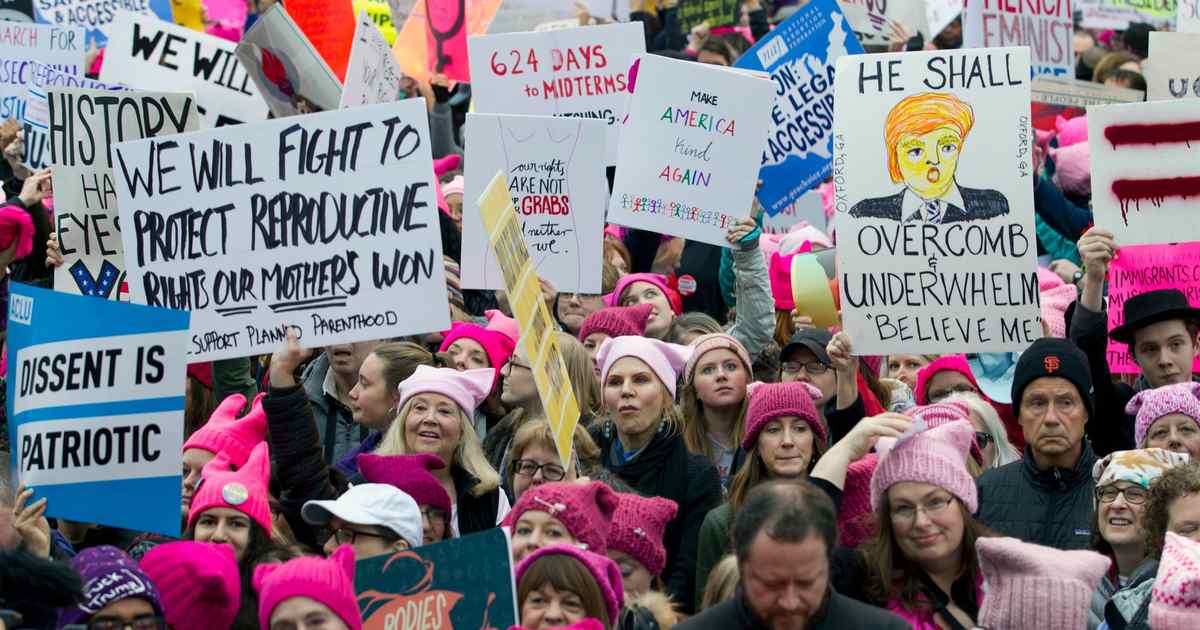
The Equal Rights Amendment failed to gain final ratification for reasons worth debating, and supporters insist it would clarify equality. Opponents worry it would do more than clarify; they fear it could be used to rewrite settled law and create new entitlements labeled as rights.
When people call for an ERA, what they usually want codified goes beyond neutral guarantees and often centers on hot-button issues like abortion. Claiming the amendment is simply about ‘equal rights’ can be a cover for inserting into the Constitution policy preferences that decades of legal decisions and legislation have been sorting out.
My own concerns center on freedoms that feel under siege from the other side of the political aisle: free speech, religious exercise, and the right to petition government. Those are not adjuncts to women’s equality; they are the backbone of the civic space where women and men contest ideas and protect beliefs.
Religious groups and practitioners have been hauled into court over mandates that conflict with their faith, and that pattern raises real alarm bells. If the legal conversation shifts to create new, prioritized rights for one group, the collateral damage could be real and immediate for conscience protections.
Consider Title IX and the controversy over competitive fairness and separate spaces. When policy bends to accommodate broad definitions that erase meaningful sex-based protections, women in sports, on scholarships, and in private facilities often lose out—and left-leaning leaders rarely defend those specific women’s interests.
There are also basic safety and self-defense concerns that get little sympathy from those pushing expansive federal guarantees in other areas. Calls to disarm law-abiding citizens, combined with lax immigration enforcement and criminal justice policies that release offenders, leave many women more vulnerable, not less.
We should also be honest about trade-offs. Men face unique burdens in areas like military draft risk, workplace fatalities, homelessness, and suicide rates, yet those issues rarely trigger the same political energy. A push for sweeping new rights framed only as ‘for women’ risks ignoring or worsening other serious social harms.
Alicia Keys has a reported net worth of $75 million, so her lived reality is far outside what most Americans know. When wealthy celebrities claim they speak for ‘women’ as a whole, they often flatten complex debates into slogans that benefit a narrow set of preferences.
Anyone arguing that women lack equal rights in America is not necessarily seeking fairness so much as special legal treatment for certain outcomes—outcomes that, in practice, can trade away protections for others. That is less equality and more a redistribution of rights to favor particular policy priorities.