President Donald Trump announced that the international Board of Peace has reached a disarmament agreement for Hamas in Gaza, describing it as a structured, phased plan tied to his Trump 20-Point Plan and managed with international partners and U.S. oversight.
The announcement landed on Truth Social, where the president called the move a “major milestone in the implementation of the Trump 20-Point Plan” and said the effort will move forward in “structured phases.” Republican supporters will note the focus on clear phases and American leadership rather than open-ended diplomacy. The language is meant to reassure allies and skeptics that this is an implementable sequence, not a vague promise.
Officials say the plan requires an Israeli military pullback in certain areas as part of those phases, while an International Stabilization Force and a new Palestinian police force will take on security responsibilities for residents and neighbors. The stabilization force is described as a United Nations-sanctioned group under the purview of the United States and the Board of Peace, according to United States and Board of Peace officials. That combination is pitched as a way to maintain order while removing armed groups from power.
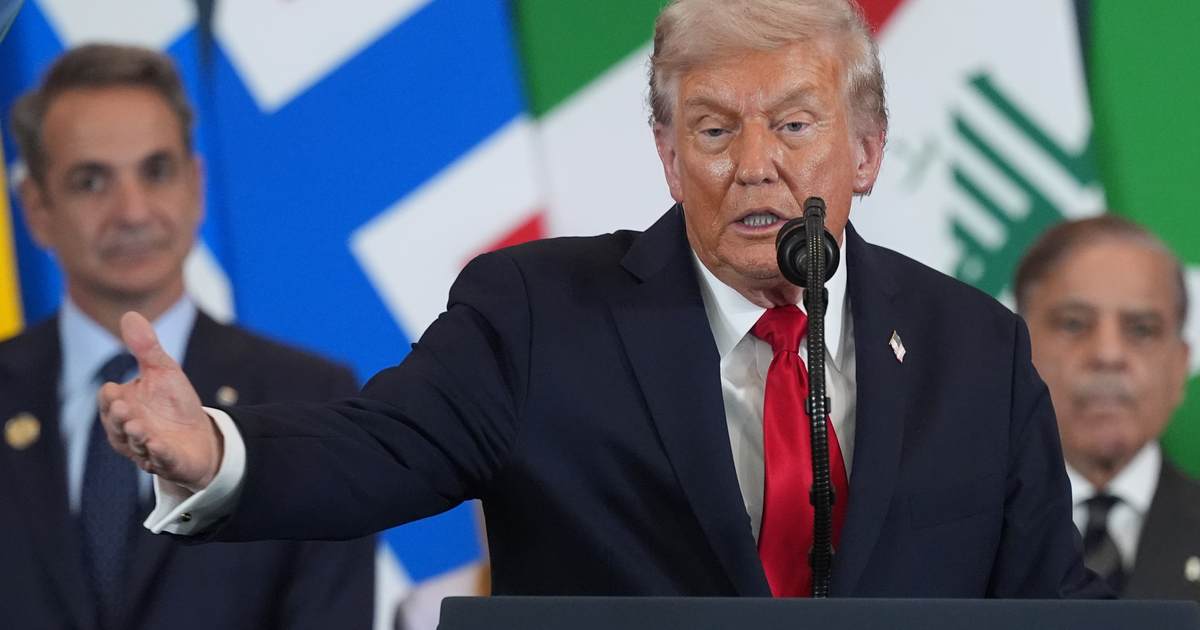
Trump framed the deal in bold terms: “Today, the Board of Peace reached a HISTORIC agreement for the COMPLETE DISARMAMENT of Hamas and all other armed groups in Gaza,” Trump wrote. “This is a monumental step toward lasting PEACE and SECURITY.” The phrasing is deliberately triumphant, aimed at voters who prioritize security and strong, decisive outcomes. It also ties the effort directly to the administration’s wider policy agenda.
He went on to emphasize governance and security together: “This agreement is a critical step towards Gaza finally being governed by a new Palestinian government that will work closely with the Board of Peace to help the Palestinian people,” the president added. “At the same time, Israel will have the security it deserves, with Gaza no longer used as a base for terror attacks.” Trump publicly thanked Qatar, Turkey and Egypt for mediating, and warned that “the threat that emerged from Gaza on October 7 will NOT be allowed to rebuild!”
U.S. and Board of Peace officials on a call with reporters characterized the effort as “very delicate,” calling the disarmament agreement an “amazing and historic step.” Those phrases underline both the difficulty and the significance leaders attach to the deal. Officials framed the new plan as an alternative to what they said were failures of prior models.
“We created an alternative and a real plan for Gaza,” an official said, adding that the past approach was “created by NGOs and terrorists.” That blunt contrast sets the administration’s plan apart and signals a move away from informal, unaccountable arrangements. The discussion stressed accountability, a recognized chain of command, and on-the-ground enforcement by vetted local forces.
“We’re doing this to try and avoid future wars,” another official said, noting the new police force will assume the enforcement role now occupied by Hamas. The official also pointed to “close coordination” with Israel as part of the operational picture. For Republicans, the emphasis on preventing further conflict and ensuring Israeli security will be a key selling point.
Officials warned the agreement is a “conditions-based deal,” reflecting widespread distrust on all sides that the terms will be honored. They noted a lack of trust from both Israel and Hamas and said the process will be conditional and verified at every step. One official stressed there will be a “full Hamas exit from governments in Gaza,” while also saying the Palestinian Authority must “reform” to reclaim and govern the strip effectively.
Weapons held by militia groups in Gaza will have to be decommissioned to prevent competing centers of power and to stabilize the environment after disarmament. That requirement is crucial for any transition that hands responsibility to a new Palestinian government and a vetted police force. The reality on the ground will hinge on rigorous verification, transparent timelines, and the political will to enforce the terms.