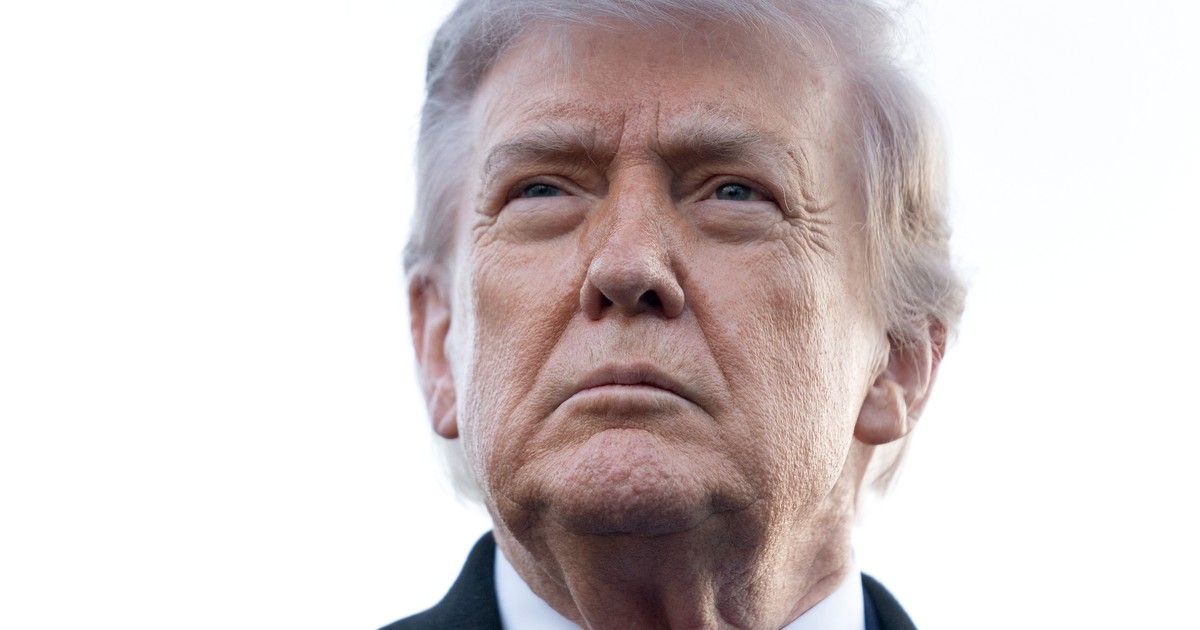
President Trump gave a direct, no-nonsense update on U.S. posture toward Iran, outlining imminent strikes, monitored nuclear sites, and the continued possibility of seizing strategic assets if Tehran refuses to negotiate.
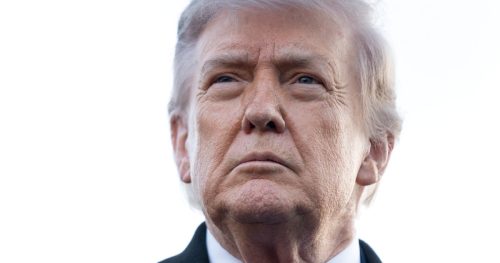
In a Fox News interview with Trey Yingst, Trump laid out a clear warning to the Iranian regime and described concrete steps U.S. forces will take if Tehran does not return to the bargaining table, signaling both readiness and restraint. He framed the moves as calibrated pressure aimed at protecting American interests and keeping global energy lanes safe. The tone mixed deterrence with a promise of decisive action if Iran escalates.
Trump said U.S. military assets are positioned to strike Iranian transportation and energy infrastructure “over the next two days” unless Iran reopens serious negotiations for a renewed settlement, and he emphasized that operations will broaden beyond what has already occurred. That timeline and escalation posture are intended to force a choice: diplomacy or damage to vital networks that sustain Iran’s military and economic capabilities. From a Republican point of view, that clarity is important—showing strength rather than paralysis.
On the nuclear front, Trump reported no observed activity at the site referred to as “Pickaxe Mountain,” but he said intelligence assets remain tightly focused on it. He noted that U.S. ordnance, including “bunker buster” munitions, could neutralize or destroy the facility if Tehran attempts to restart work there, a technical point meant to underline the practical limits on Iran’s options. The message was simple: the U.S. can and will target key capabilities if necessary.
https://x.com/EricLDaugh/status/2077154306789199886
Trump also left the idea of seizing Kharg Island squarely on the table, describing it as a legitimate option while saying a U.S. ground invasion is unlikely and that a partner nation might carry out any occupation of that critical oil hub. That approach balances projection of power with political prudence, keeping America’s footprint limited while still threatening a strategic blow to Iran’s ability to export oil. Mentioning partners signals the willingness to leverage allies rather than ask the U.S. to shoulder every risky operation alone.
Regarding maritime security, Trump moved to reassure markets and shippers after a night when three tankers were reportedly attacked, asserting that the Strait of Hormuz remains open to global traffic—“open for everyone except the Iranians,” in his words—while warning Tehran that continued harassment will draw a firm response. Protecting commercial transit is a national and global priority, and the administration’s posture sought to close the gap between rhetoric and action. The public takeaway was meant to be straightforward: keep commerce moving, punish those who threaten it.
Reports of explosions inside Iran began appearing soon after U.S. operations increased, though details on targets remain unclear and the administration said it would not disclose specifics while operations were ongoing. That deliberate opacity is a common element of modern conflict management—providing enough information to deter and reassure allies without revealing sources, methods, or future plans. For supporters of a robust foreign policy, this mix of firmness and operational security reads as responsible statecraft.
Trump’s emphasis throughout the interview was on credible deterrence: clear warnings, demonstrable capability, and a readiness to act in ways that minimize American boots on the ground while still imposing costs on Iran. He repeatedly framed actions as limited and targeted rather than open-ended occupation, appealing to voters who want strength without endless wars. The implied strategy is to force Tehran into talks by making the price of escalation unmistakable.
Whatever one thinks of the politics, the president’s briefing set a measured but forceful agenda: pressure Iran now, watch key nuclear sites, keep shipping lanes safe, and use partners where feasible to limit U.S. exposure. Those are the pillars he laid out, and they suggest Washington is prepared to couple military moves with diplomatic leverage. For now, the world watches to see if Tehran responds to pressure or chooses a path that invites further consequences.