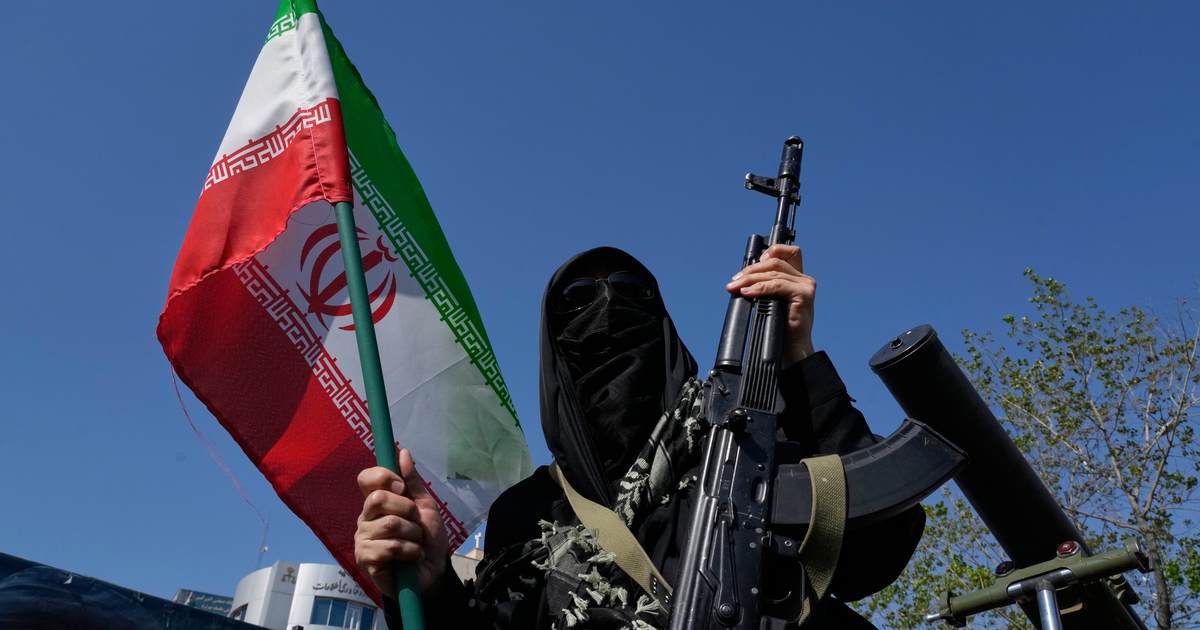
U.S. forces struck targets inside Iran Saturday evening in a direct response to a deadly attack in Jordan that killed American service members, with military officials emphasizing a measured, punitive response meant to deter further aggression.
The U.S. launched airstrikes against Iran at 6 PM ET on Saturday, a deliberate move ordered after recent attacks that harmed American personnel. These strikes mark a clear shift from posture to action, signaling that attacks on U.S. forces and partners will be met with force. The timing and public announcement underscore Washington’s intent to hold Tehran directly accountable.
The retaliation follows Iran’s strikes that killed two service members and wounded several others in Jordan this weekend. Another service member is missing, according to the U.S. Central Command. Those losses forced civilian and military leaders to choose a response that would demonstrate resolve without dragging the region into unconstrained war.
From a Republican standpoint, the message is simple: when our people are attacked we answer decisively. Lawmakers and voters on the right will view these strikes as overdue enforcement of red lines Tehran repeatedly tests. That view rests on the conviction that deterrence requires action, not endless warnings or symbolic sanctions that Iran can ignore.
https://x.com/CENTCOM/status/2078605013878710482?ref_src=twsrc%5Etfw
Officials briefed on the operation described it as targeted and time-limited, aimed at degrading Iran’s ability to repeat strikes against U.S. forces and regional partners. Precision matters here: the goal is to impose a cost on Iran’s military apparatus without initiating a broader conflict. Still, any military response carries risk, and commanders say they weighed those risks before striking.
This episode highlights the tense, volatile balance in the Middle East where proxies and direct actions blur. Iran’s willingness to hit U.S. personnel in Jordan ratchets up danger for all partners in the region, including host nations that cooperate with American forces. Regional leaders are watching closely to see whether the strikes restore deterrence or prompt a cycle of retaliation.
Congressional Republicans will demand briefings and accountability, insisting that the executive branch explain objectives, legal authority, and the metrics for success. Support for the troops will be front and center: elected officials will press for clarity on how the strikes protect service members and prevent repeat attacks. At the same time, many on the right will press for a strategy that combines military pressure with diplomatic and economic levers.
Military planners say they calibrated the strikes to limit civilian casualties and avoid targeting nonmilitary facilities, aiming to keep escalation focused on Iran’s capabilities. Those choices reflect lessons from past engagements: punish the attacker, preserve the broader strategic picture, and avoid actions that invite rapid, uncontrolled escalation. The administration framed the operation as necessary and proportionate to recent Iranian aggression.
Public reaction will be split along political lines, but the operational reality is straightforward for commanders on the ground: protect U.S. personnel and deter future attacks. Republican leaders will emphasize that showing strength now reduces the chance of larger wars later by convincing adversaries that attacks bring real consequences. That argument underpins a conservative approach to foreign policy rooted in deterrence and clear red lines.
Looking ahead, the key indicators to watch will be whether Iran responds directly, escalates via proxies, or recalibrates to avoid direct confrontation with U.S. forces. U.S. military and intelligence agencies will monitor communications and movements across the region to anticipate next steps. The coming days will test whether a calibrated strike can restore deterrence or whether further measures will be required to secure American forces and regional stability.