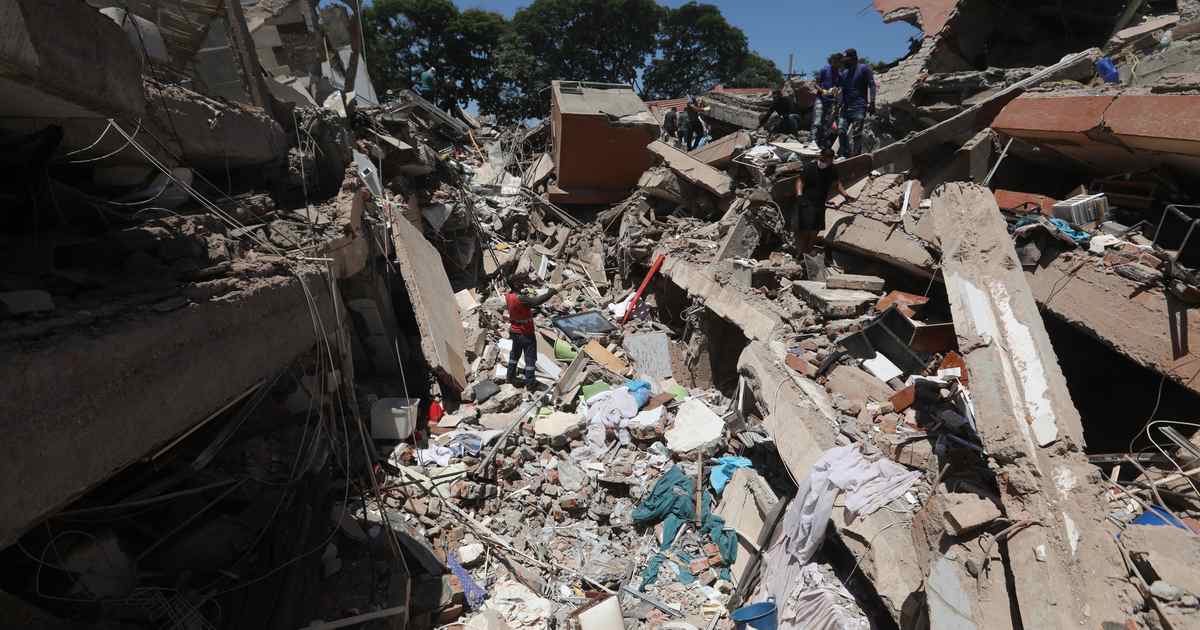
A powerful 7.4 magnitude earthquake hit western Colombia, leaving at least 111 people dead, hundreds injured, and entire communities scrambling to find survivors beneath collapsed buildings and rubble.
The quake struck suddenly and violently, flattening homes and sending panicked residents into the streets as aftershocks rattled the region. Authorities are reporting an estimated death toll of 111 so far, with hundreds more injured and many people still unaccounted for amid widespread destruction. Rescue teams and neighbors have been digging through debris to locate survivors, working against time and unstable structures.
San Jose Del Palmar, a town of about 4,800 residents west of Bogota, sits at the epicenter and has been hit particularly hard, with local infrastructure badly damaged and key roads compromised. Surrounding rural areas were also rocked, and in some poorer, remote communities reaching victims and tallying casualties will be slow and difficult. The epicenter falls along the Ring of Fire, a region known for seismic activity, which raises concerns about further tremors and volcanic unrest.
Shocking video of the destruction is already circulating online, showing people fleeing as buildings give way and debris clouds the air. One clip captures the partial collapse of a cathedral while bystanders scramble for safety, a scene that underlines how quickly everyday places became dangerous zones.
In Cali, footage shows a university hospital suffering near-total collapse, a devastating loss for a city that now needs medical facilities more than ever. Survivors described scenes of chaos as patients, staff, and visitors tried to escape through broken corridors and fallen beams, while first responders worked desperately to clear access. One taxi driver recounted his experience exactly as follows: “My entire house shook. I’ve never lived through such a powerful earthquake. We’re thanking God we’re alive.”
Other videos show people struck by falling masonry and rushed into makeshift triage areas as neighbors use whatever tools they have to pry victims free. Streets are littered with cracked pavement, downed power lines, and piles of rubble that slow rescue convoys and complicate recovery work. Local hospitals are overwhelmed, and emergency shelters are being set up in open areas despite aftershocks that keep people from returning indoors.
Colombia’s Geological Service called this the “highest magnitude earthquake” registered in Colombia in the last decade, noting that two aftershocks of 2.8 and 4.8 followed the initial 7.4 event. Geologists say the readings and the scale of damage make this one of the most significant quakes to hit the country in years, prompting a rapid mobilization of search-and-rescue units. Assessments are ongoing as teams map collapsed structures and identify the worst-affected neighborhoods.
https://x.com/Breaking911/status/2086834810798928061
U.S. Secretary of State Marco Rubio released a brief statement on X indicating that the United States is ready to assist, and offers of international aid began to appear as communications were restored in affected areas. Diplomatic channels and humanitarian groups are coordinating to identify immediate needs like medical supplies, potable water, and temporary shelter for displaced families.
Officials warn the death toll could rise as crews continue to sift through rubble and retrieve those still trapped, and they are urging caution as aftershocks continue to threaten already-unstable buildings. The immediate priorities remain search and rescue, emergency medical care, and securing critical infrastructure to prevent further harm. With roads and utilities damaged, response teams are improvising routes and staging areas to get aid to isolated communities as quickly as possible.