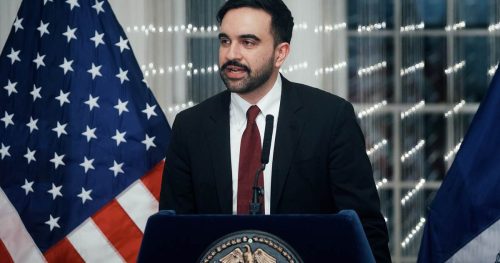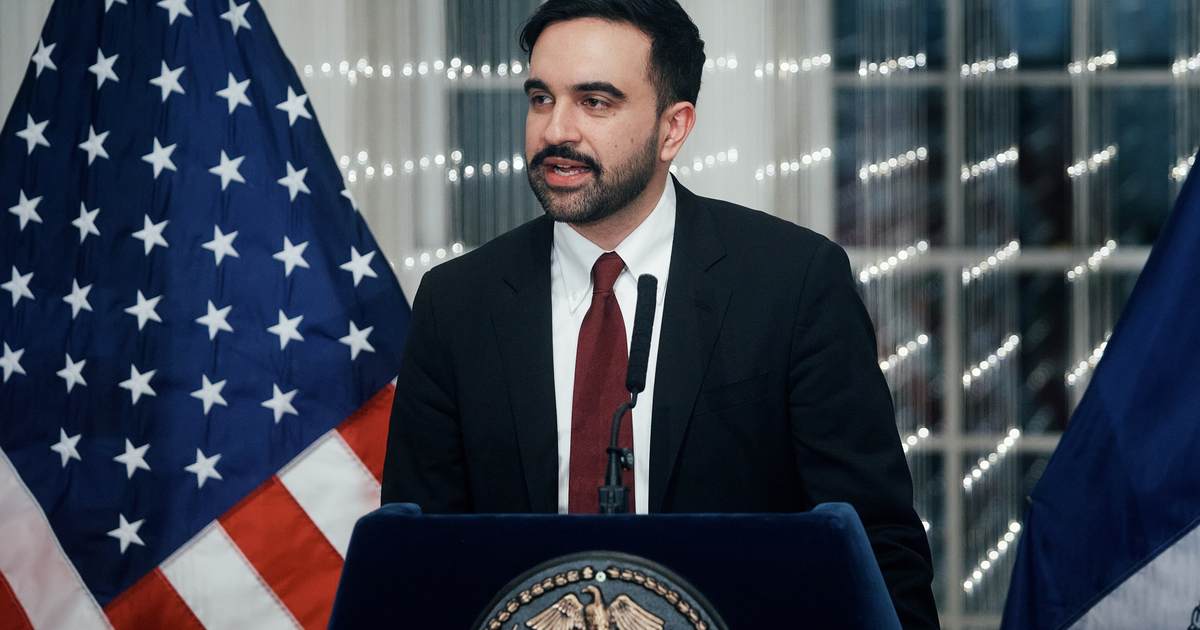
A Staten Island judge has temporarily blocked Mayor Zohran Mamdani’s proposal to tack a new surcharge onto second-home property taxes in New York City, pausing the plan while the courts weigh challenges and the political fight continues.
A local judge put a hold on the city’s new second-home tax, stopping implementation for now and giving opponents a legal breathing spell. The order prevents the city from moving forward with the surcharge while the case proceeds. That pause matters because the proposal was billed as an easy revenue grab aimed squarely at wealthy property holders.
The measure targeted very expensive properties but swept broadly enough to hit many residents who don’t live full time in their units. It would apply a surcharge on standalone houses valued at $5 million or more and on apartments and condos carrying assessed values of $1 million or higher. Officials projected this change would generate significant new revenue for the city’s budget if it went into effect.
Under the city’s plan, owners suspected of not living at a property would have to prove it is their primary residence to avoid the surcharge, shifting the burden onto taxpayers. That requirement raised immediate privacy and administrative concerns, since the city expected owners to produce documentation to avoid extra taxes. Estimates circulated that the surcharge could bring in roughly $500 million a year, a figure city leaders used to justify the policy.
https://x.com/ginamilan_/status/2086924943216742439
Critics blasted the rollout for more than its numbers. A searchable list tied to the plan revealed properties that might be affected, and opponents said that effectively exposed owners and invited harassment. Even some on the left recoiled when wealthy owners were named in a public-facing database, arguing that the administration’s handling of the policy was heavy-handed and tone-deaf.
The next court hearing is set for August 31, where attorneys will argue over whether the city overstepped its authority and whether the ordinance was properly enacted. Supporters of the tax frame it as a fairness move, but opponents say it’s an invasive, poorly designed revenue scheme that punishes investment and ownership. With the judge’s pause in place, implementation is off the table for now and the legal fight will set the tone for what comes next.