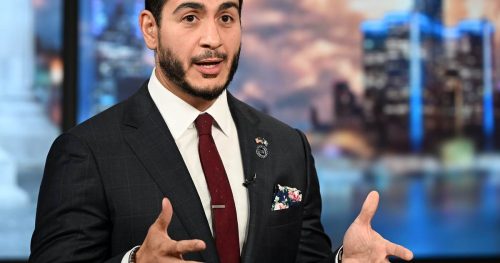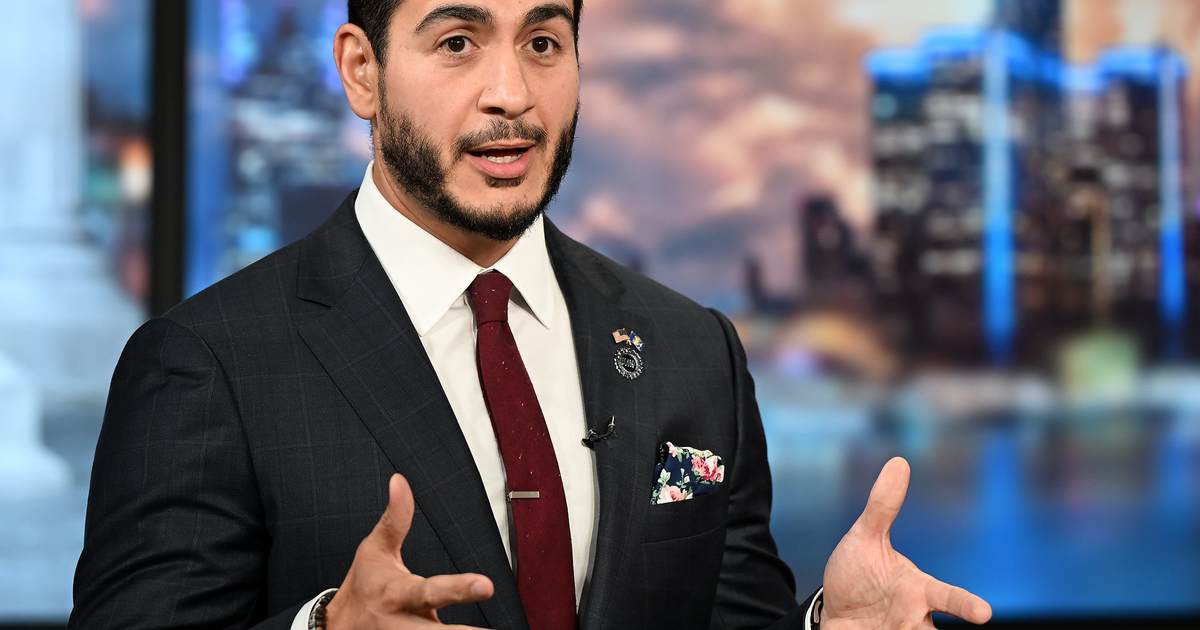
Abdul El-Sayed narrowly won the Michigan Democratic Senate primary, edging Rep. Haley Stevens by about 1.8 points, and has become a central target of Republican criticism for his past statements, associations, and policy agenda ahead of the general election.
El-Sayed’s surprise close victory unsettled many observers who expected a wider margin against Stevens, who still performed strongly with rural and Black voters. That narrow result turns what was a quiet primary into a high-stakes race that Republicans, independents, and swing voters will watch closely this fall. The contrast between his primary showing and polling predictions has sharpened scrutiny of his record and rhetoric.
Republicans have quickly framed El-Sayed as an extreme choice for the Senate, pointing to a string of past comments and alliances they say underline that case. The National Republican Senatorial Committee produced an ad attacking his positions and associations, and that ad is already being circulated to challenge his appeal in the general election.
“I’m pretty d**n dangerous,” El-Sayed said at one campaign rally, a line opponents have replayed to make a broader point about temperament and priorities. He also wrote in a 2011 HuffPo piece titled “Why the U.S. Should Support the Protesters in Egypt” where he argued about the Muslim Brotherhood and suggested “even if the Muslim Brotherhood were to take power, there are several reasons why the ensuing state would look nothing like Iran.” Critics say those comments and his campaign contacts raise real questions about judgment and judgment by association.
On policy, El-Sayed has embraced bold, expensive proposals that would hit middle- and lower-income Michiganders to pay for expanded programs. He supports a national Medicare for All plan that opponents say would require significant tax increases on working-class people, including waitresses, delivery drivers, and seniors living on Social Security. That tax argument is central to the GOP case against him and a key wedge issue for voters in suburban and rural Michigan.
Law enforcement is another flashpoint. El-Sayed has been tied to calls to rethink police funding and to deleted social posts about policing, and he once said, “The police have become standing armies we deploy against our own people.” Opponents point out his participation in a 2020 webinar that featured convicted offenders as evidence of poor advocacy choices and questionable judgment about public safety and victims.
His public alliances have drawn heat as well. He campaigned with controversial figures and streamed with left-wing personalities whose rhetoric many Michiganders found beyond the pale. Critics highlight those events to argue he has embraced or tolerated extreme voices rather than firmly rejecting them, and they say that stance reflects the kind of politics voters should consider before November.
El-Sayed has answered calls to distance himself by saying, “I’m not here to disavow people’s views,” and adding, “I’m here to have a conversation about how to get money out of politics and put it back in the pockets and pass Medicare for All. That’s the conversation that folks are to listen to. This whole goch game, platform policing, cancel culture, I thought we were over it.” His refusal to disavow has left many undecided voters and some Democrats uneasy.
NRSC Chairman Tim Scott warned sharply about El-Sayed’s prospects, saying, “El-Sayed is the most radical Democrat Senate nominee ever. His support of terrorist organizations, socialist policies, and the defunding of law enforcement makes him dangerous and ultimately disqualified from serving. Michigan has had two Democrat Senators for decades, so we cannot take anything for granted, but we will do everything we can to make sure El-Sayed never steps foot in the U.S. Senate.” That statement frames the GOP strategy for the fall as they work to make the general election a referendum on his record and rhetoric.
With the general election looming, Michigan voters will have to weigh a narrow primary victory against a record that Republicans argue is out of step with mainstream American values on security, taxes, and law enforcement. The choices made now by donors, activists, and undecided voters will shape how competitive this race becomes between now and November.