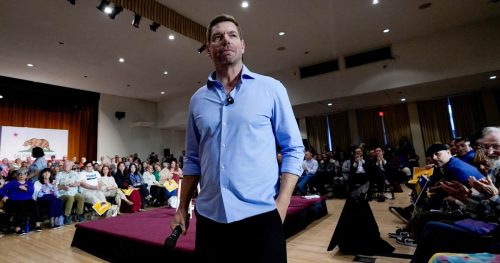
The federal search and seizure tied to former Rep. Eric Swalwell centers on devices and records that could show whether he used his position to silence accusers, with investigators reportedly invoking a civil-rights statute that criminalizes abuse of government power.
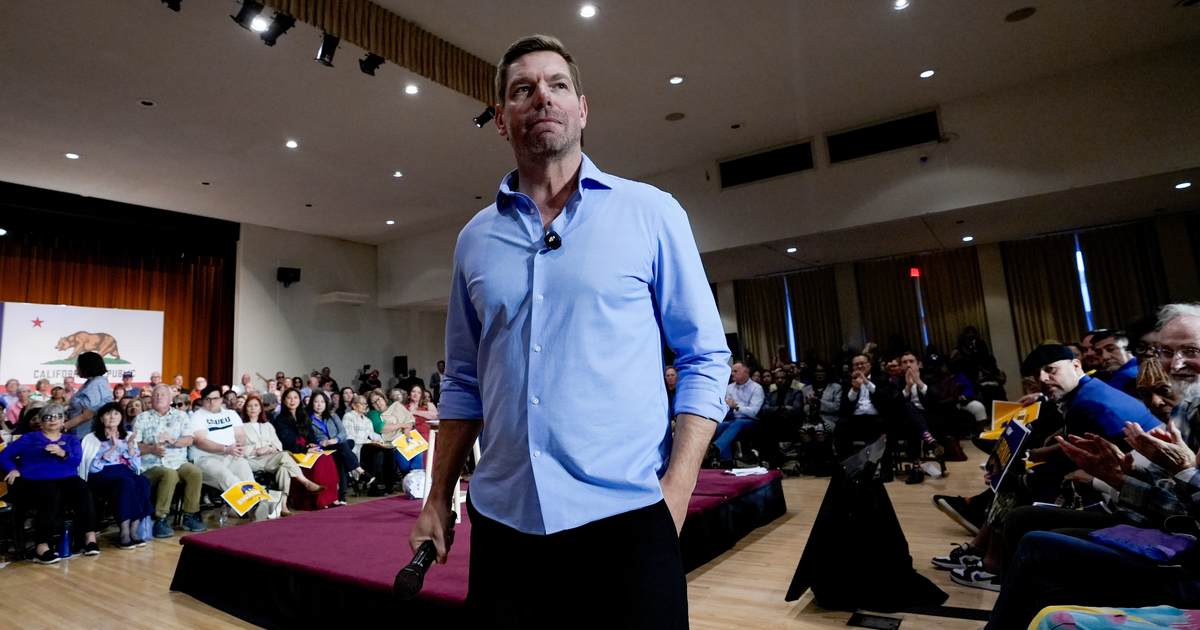
Federal agents seized multiple phones and a laptop and searched a D.C. residence connected to former Rep. Eric Swalwell as part of an investigation into allegations of sexual misconduct. The probe already wiped out his run for governor and pushed him out of the political spotlight, and these searches make clear the matter is far from over.
When the initial criminal allegations were dropped, a separate pattern was alleged: possible intimidation of alleged victims. In May it was discovered that Mr. Swalwell was still contacting his accusers on social media, a development that raised fresh questions about whether those contacts crossed a legal line.
Eric Swalwell’s alleged pressure tactics in the final weeks of his imploding political career could be coming back to haunt him.
https://x.com/KellieMeyerNews/status/2090563595624943977?ref_src=twsrc%5Etfw
An FBI warrant used to seize Swalwell’s phone and laptop Saturday in San Francisco cites a federal civil-rights statute that can be used to prosecute public officials who abuse their government power — suggesting the feds may suspect Swalwell used his official role to silence women who accused him of sexual misconduct.
“The feds appear to be going after something more extensive than asking whether Swalwell sexually assaulted women. They may be asking if he willfully deprived somebody of a federal constitutional right.”
It’s “really bad news for Swalwell,” said Royal Oakes, a legal analyst for KNBC-TV.
Title 18, Section 242 — known as deprivation of rights under color of law — makes it a crime for a public official to willfully use government authority to deprive someone of rights protected by the Constitution or federal law.
The statute can apply even when officials exceed their lawful authority if they are acting, or purporting to act, in their official capacity. A basic conviction can carry up to one year in prison, but penalties an rise to up 10 years if bodily injury results or even a potential life sentence for crimes involving aggravated sexual abuse.
The mention of Title 18, Section 242 in the warrant changes the stakes. That statute targets officials who use government power to deprive people of constitutional protections, and invoking it signals prosecutors are looking beyond the raw sexual-misconduct allegations to alleged misuse of official authority.
Practically speaking, investigators will be hunting for evidence that connects Swalwell’s behavior to his role as an officeholder: messages sent from official accounts, communications with staff or law-enforcement contacts, calendar entries, call logs and any direction that tried to leverage government resources. If such patterns appear on seized devices, the civil-rights angle becomes more than a headline.
Penalties tied to Section 242 are serious, and the statute’s range of sentences underscores why this is politically and legally perilous. A basic conviction carries up to one year in prison, but penalties increase to up to 10 years when bodily injury is involved, and can reach life in extreme cases involving aggravated sexual abuse.
If there are any deleted texts or emails, and let’s be honest, we shouldn’t be surprised if there are, this legal odyssey will continue. Recovery of deleted material or metadata showing deletions could extend the inquiry and give investigators more to work with as they map out whether official acts were used to intimidate or silence alleged victims.
The political fallout is already clear: a once-rising lawmaker saw his ambitions halted and his public role vanish. From a Republican perspective, allegations that an elected official might use the trappings of office to pressure private citizens demand scrutiny and accountability from investigators who must follow the evidence wherever it leads.