The state pause on new AI data centers has sparked a fight over innovation, local impact, and political alignment as officials weigh grid, water, and neighborhood concerns against economic and technological benefits.
State leaders recently ordered a halt on new data center construction while they review how these facilities affect the electric grid, water resources, and nearby communities. That pause has turned a technical planning issue into a political flash point, drawing attention from voters, regulators, and industry alike.
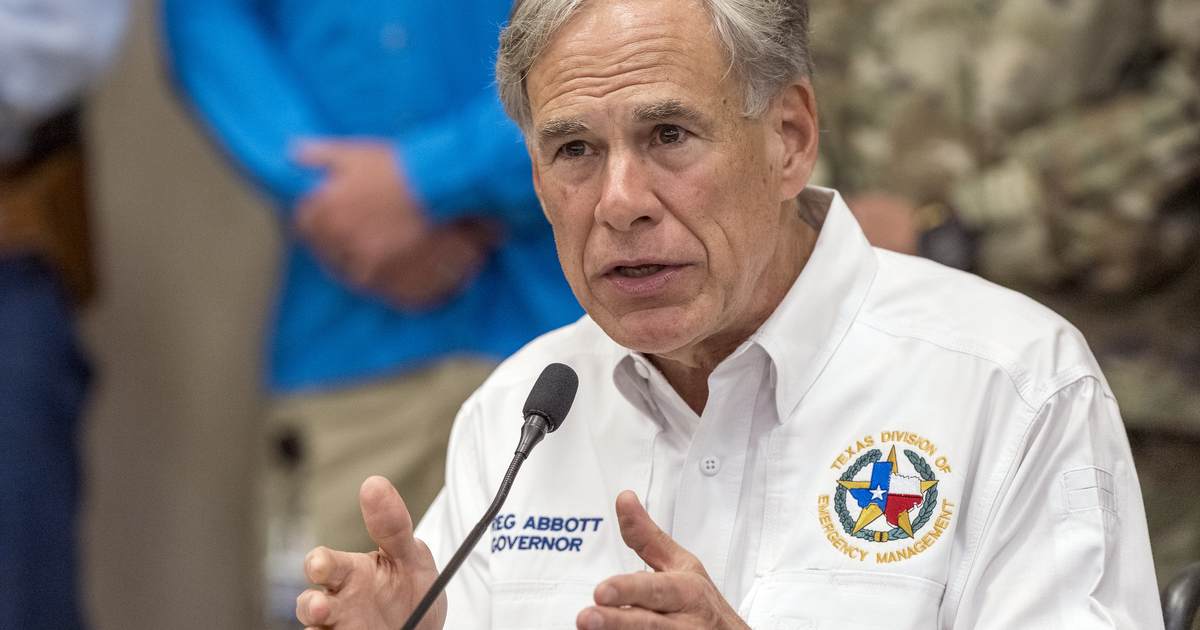
Texas stepped into the spotlight when the governor announced a freeze on new projects pending a statewide audit of energy and water impacts. The move was framed as a protective measure for neighborhoods and utilities, but it landed as an abrupt brake on one of America’s fastest-growing tech backbones.
“I paused new data center projects pending a statewide grid audit,” the Lone Star governor wrote on X. “Data centers must disclose their plans to pay their own way, provide their own power, reuse their own water, reduce the cost of electricity, & avoid disturbing neighborhoods.”
https://x.com/GregAbbott_TX/status/2084861476024508760
Those words capture the political instincts at play: demand transparency, force fiscal responsibility, and reassure citizens that industry will not externalize costs. From a Republican perspective, the right response is to insist on accountability while protecting the free market, not to smother growth with permanent moratoriums.
Public opinion has shifted sharply against local data center construction, with polls showing roughly 70 percent of Americans opposed to nearby development. The split cuts across party lines, with 63 percent of Republicans and 75 percent of Democrats expressing resistance, and even conservative voters showing notable skepticism.
In Texas specifically, attitudes are even tougher: 80 percent back taxing electricity used by AI data centers, and majorities cite concerns about energy consumption, water use, and land impact. Those numbers matter because elected officials respond quickly when local anxiety spikes, and quick fixes can become long-term policy mistakes.
But the empirical picture is less dramatic than the headlines suggest. Data centers account for about 1.5 percent of global electricity demand today, roughly comparable to the airline industry, and are projected to reach near 3 percent by 2030 even with rapid AI growth. Those figures show that scale is important, but not apocalyptic.
Water and land impacts are similarly modest in context: in the U.S., data centers represent under 0.14 percent of total water withdrawals, and modern designs increasingly use closed-loop cooling that can cut water use by up to 90 percent. Land footprints are small relative to many industrial uses, and many operators are adopting measures to limit local disruption.
Electricity price effects also haven’t materialized in any meaningful way, despite alarmist claims. Where grid strain exists, the right solution is targeted infrastructure investment and sensible permitting, not a blunt statewide halt that chills private investment and technological leadership.
Republicans should be clear-eyed: voters worry about roads, schools, and water, and those concerns deserve respect. At the same time, the GOP must defend innovation and the market incentives that brought data centers to the U.S., pushing for regulatory clarity and local protections rather than reactionary bans.
Instead of reflexive prohibition, policymakers can require transparency, cost-bearing for grid upgrades, and enforceable commitments on water reuse and neighborhood impacts. Those are practical steps that protect communities while keeping America competitive in cloud, AI, and the industries that rely on them.
The debate will shape more than just construction permits; it risks reshaping political coalitions if conservatives are painted as indifferent to local concerns. Winning trust means matching pro-growth principles with concrete safeguards that reassure voters and preserve opportunity.
That balance will determine whether data centers are treated as a manageable infrastructure challenge or an existential threat to community stability. The stakes are both local and national, and the outcome will influence technology policy, economic development, and political alignments for years to come.