The Justice Department will roll out 1,000 election monitors nationwide this November to enforce federal voting rules and shore up confidence in the midterm process.
The Justice Department announced a substantial deployment of election monitors ahead of the November midterms, assigning 1,000 personnel to oversee compliance with the Voting Rights Act. This is an emphatic federal response to rising public concern about election integrity and the smooth operation of precincts across the country. The move is being led by the Civil Rights Division and timed to ensure federal laws are respected during a high-stakes voting season. It signals that the administration intends to use available tools to protect lawful voting and public trust.
Assistant Attorney General Harmeet Dhillon is overseeing the effort and confirmed the monitors will be distributed broadly to cover states and localities where federal oversight is warranted. The size of the deployment is notable: it will nearly quadruple the number of monitors used in the 2022 midterms and exceed the 714 sent in 2024, reflecting a clear uptick in federal attention. Republicans who prioritize secure, transparent elections see this as long overdue, a practical step when legislation stalled in Congress. The program is meant to act where legal gaps and administrative confusion could otherwise undermine voter confidence.
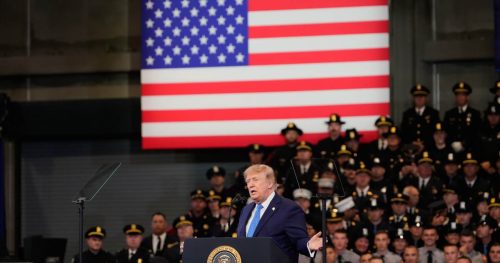
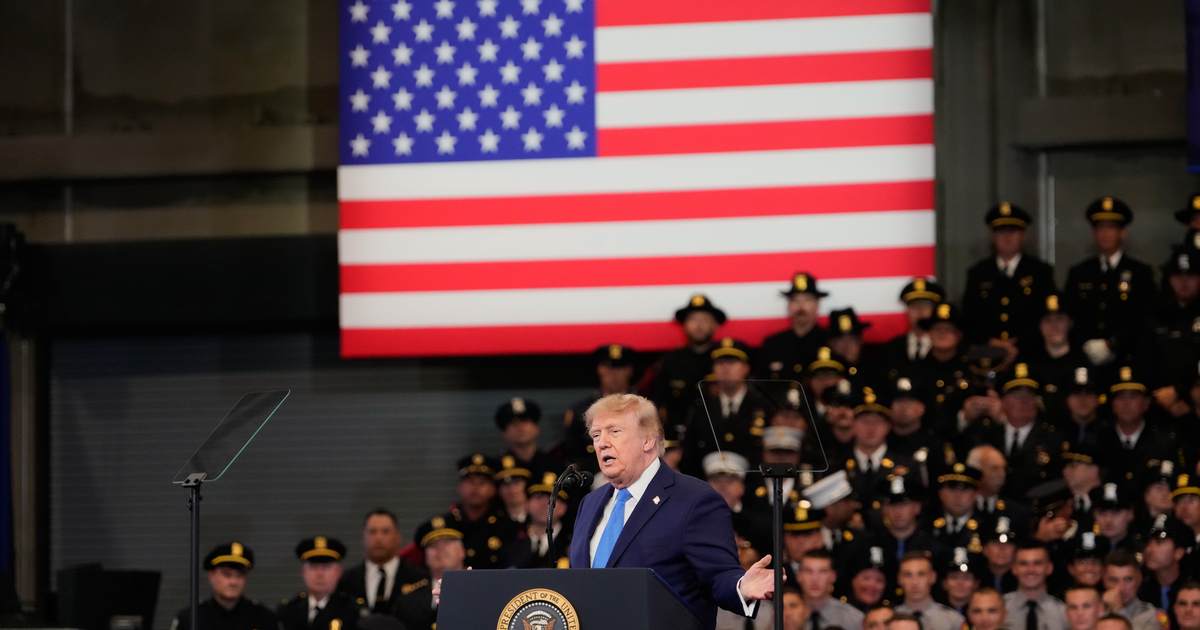
With the SAVE America Act stalled in the Senate, partly because some Republican senators would not agree to end a silent filibuster, the administration chose a unilateral route to strengthen oversight. President Donald Trump had pushed the SAVE Act as a top priority earlier in the year, urging Senate Republicans to move it to his desk, but the bill failed to advance. Given that legislative path was blocked, expanding Department of Justice enforcement is the practical option left to ensure federal protections are in place. This is an executive answer to a legislative problem, and it reflects the urgency the White House assigns to election rules enforcement.
https://x.com/NewsWire_US/status/2091179844214166006?ref_src=twsrc%5Etfw
Deploying monitors is not a stunt; it is a legal and logistical undertaking that requires trained staff, coordination with local election officials, and clear priorities on where and how to act. The monitors will document compliance, collect evidence of irregularities, and help defuse disputes that might otherwise escalate on Election Day. Their presence should make it harder for bad actors to exploit administrative vulnerabilities, and it offers greater transparency when questions arise. For many voters and election workers facing pressure and confusion, the extra federal oversight is meant to provide reassurance.
Critics will call this federal overreach, and opponents will try to paint monitors as political. But from a conservative perspective, enforcing existing federal voting laws is not partisan theater; it is a defense of the rule of law. Ensuring that ballots are handled correctly, that voters whose rights are protected under federal statutes can cast and have their votes counted, and that actors who break the law are identified are all nonpartisan goals. The contrast with inaction in Congress is stark: where senators refused to act, the administration is stepping in to keep the process honest.
Operationally, the program will focus on known risk areas and on jurisdictions where federal statutes require oversight, rather than blanket surveillance of routine local administration. That targeted approach aims to balance respect for state administration of elections with the federal government’s duty to uphold civil rights. Properly executed, monitors can spot patterns, document problems early, and coordinate with prosecutors when there are credible legal violations. For conservative voters who want secure outcomes without wholesale federal takeover, this is a measured compromise.
Beyond the November deployment, Republicans who back stronger election safeguards will likely push for durable statutory reforms so oversight does not depend solely on administrative priorities. The stalled SAVE America Act demonstrated how fragile legislative progress can be when unanimity is required and political caution wins out. This makes the DOJ operation both an immediate fix and a reminder that durable, bipartisan legal solutions would be preferable. Until then, federal enforcement will be the practical line of defense for preserving election integrity in high-pressure cycles.