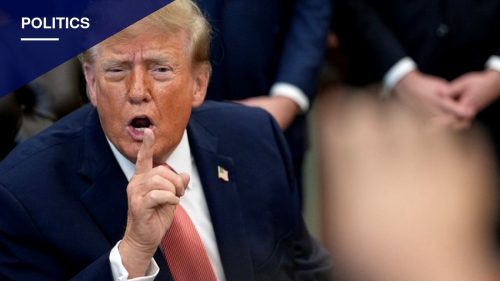
President Trump says Kim Jong Un has replied to his outreach and that the U.S. will reduce some joint military drills with South Korea, a move tied to his personal rapport with the North Korean leader and broader questions about regional burden sharing.
President Trump told reporters that Kim Jong Un has “gotten back to him” about a potential future conversation, and he framed the development as part of his hands-on diplomacy. He also announced a plan to scale back certain joint military exercises with South Korea, linking that decision to his assessment of relations on the Korean Peninsula.
In explaining the change, Trump recounted a recent call with the South Korean president and expressed frustration over South Korea’s refusal to assist the United States on an unrelated matter. He used the call to press the point that the U.S. deploys significant forces in the region while allies sometimes decline to share the load.
“When I called recently [the] president of South Korea, who I like, I think he’s very nice, actually, but I called him, I said, ‘Would you like to give us a little hand? We don’t need help with Iran, but if you’d like, give us a hand with Iran.’ He said, ‘no thanks,’” Trump explained. He followed that with a blunt reminder of American troops stationed on the peninsula and the strategic purpose they serve.
“And I said, wait a minute. We have 39,000 soldiers over there, guarding you from Kim Jong Un, your next-door neighbor, and you’re not going to help us on a very easy military operation in Iran? That’s strange,” he added. The remark tied together his view of alliance obligations and his broader foreign policy priorities.
https://x.com/CurtisHouck/status/2089420571205333155
Trump also emphasized a surprisingly cordial personal relationship with Kim Jong Un, saying that North Korea has been “unthreatening and respectful” toward him while he has been in office. That characterization frames why Trump believes diplomatic channels could be reopened and why he sees value in lowering the volume of some joint exercises.
Later in his remarks he returned to that theme and spelled out the link between his rapport with the North Korean leader and U.S. policy choices. “Based on my very good relationship with Kim Jong Un, of North Korea, I am not happy with the fact that the United States has, long ago, agreed to participate in Joint Military Exercises with South Korea,” he added, reiterating that personal ties inform his strategic calculus.
That stance is likely to stir debate among security experts and lawmakers who view regular combined drills as essential deterrence and readiness measures. Critics argue that reducing exercises could weaken deterrence against Pyongyang, while supporters say scaled-back operations can lower tensions and open the door to diplomacy.
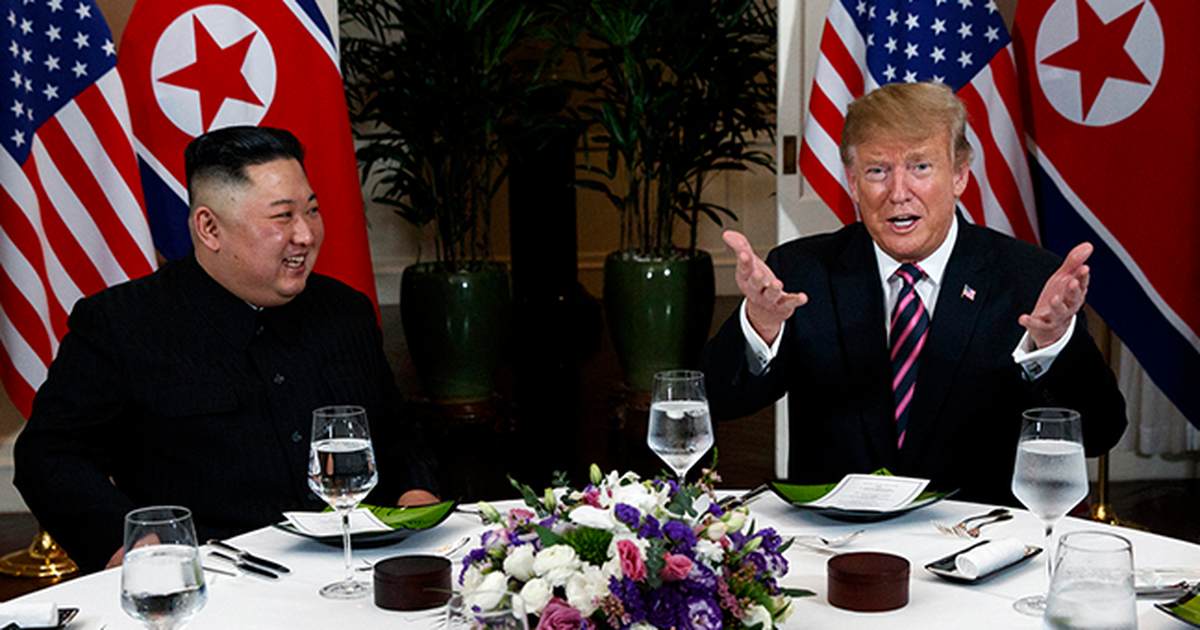
The last face-to-face summit between Trump and Kim Jong Un occurred in 2019, during Trump’s first term in office, and the legacy of those meetings still shapes how both sides approach talks. Supporters of engagement point to the potential to freeze escalation and reduce the immediate risk of confrontation when leaders can communicate directly.
On the other hand, many in Seoul and Washington remain concerned about giving Pyongyang space without solid verification mechanisms for denuclearization or long-term constraints on missile programs. The balance between diplomacy and deterrence will be a central theme as U.S. policy shifts and allies reassess burden sharing in Northeast Asia.
As this story develops, the administration’s moves on exercises and outreach to Pyongyang will be watched closely by regional partners and Congress, where opinions on the best path forward vary sharply. The coming weeks should clarify whether reduced drills are a temporary tactic tied to talks or a longer-term adjustment in U.S. force posture and alliances.