Wisconsin faces a rare fiscal moment: a multibillion-dollar surplus has opened a clear choice between returning money to taxpayers or expanding government programs and taxes, and the next governor will decide which path the state takes.
State tax collections for 2025-2026 came in $450.8 million above expectations, pushing the surplus toward roughly $3 billion. That windfall changes the conversation in Madison because it gives elected leaders real options for how to use taxpayer dollars. The debate now centers on whether Wisconsin should lock in permanent tax relief or increase spending on government programs.
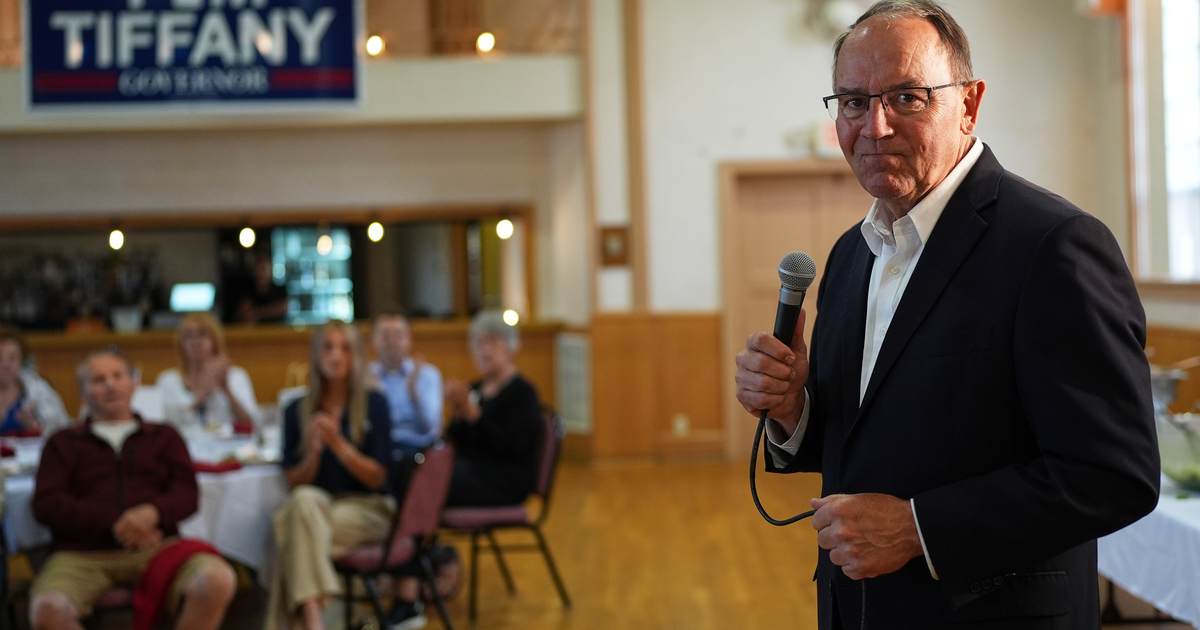
Republican Tom Tiffany is pushing a straightforward plan: return the excess cash to the people who generated it. He argues the surprise surplus is proof Wisconsin residents are overtaxed and says returning money will provide lasting relief. That proposal would translate to roughly $500 per resident and about $1,000 for each person who filed a tax return.
Tiffany’s approach is pitched as a check on big-government habit. Permanent tax cuts, he says, would keep more paychecks intact and let families make their own spending choices rather than pushing more money through state bureaucracies. The idea is to deliver predictable, long-term relief instead of one-off spending that politicians can later expand.
On the other side stands Democrat David Crowley, whose record and promises point toward spending increases funded by higher taxes. During his time running Milwaukee County, Crowley favored expanding services and using public funds to subsidize programs. He now wants to expand childcare, boost spending for public schools, broaden taxpayer-funded health coverage, and increase the minimum wage.
https://x.com/jrrosswrites/status/2092987529548927427?ref_src=twsrc%5Etfw
That is a familiar equation: higher mandated wages and wider government programs can raise costs for businesses and consumers. Crowley also supports ending right-to-work and undoing Act 10, which would allow unions to collect mandatory dues from employees and strengthen union bargaining power. Those policies would shift more money from workers and employers into organized labor and government coffers.
Supporters of returning the surplus point to practical consequences elsewhere as a cautionary note. Even with aggressive spending, Milwaukee County faces a projected $51 million deficit next year, showing that local budgets can remain strained despite higher taxes and more programs. Voters should scrutinize promises that spending increases will be sustainable once temporary money runs out.
There are trade-offs either way: one path prioritizes immediate relief and letting taxpayers decide how to use their resources, while the other seeks to expand government roles in childcare, health coverage, and education. The Republican case frames permanent tax relief as a way to reward productivity, encourage economic growth, and prevent future overreach by state government.
Practical policy questions remain about timing and mechanics. Would tax cuts be permanent reductions to rates or one-time rebates? How would structural reforms protect future budgets from volatility? Those technical details matter, but the core political contrast is clear: more money back to households versus more money into state programs and union power.
Voters now get to decide whether the surplus becomes a tool for shrinking government’s take or a launchpad for new spending priorities. With nearly $3 billion at stake, the next governor’s choices will shape Wisconsin’s tax and economic outlook for years. The coming election will answer whether taxpayers keep more of what they earn or hand it over to expand government influence and obligations.