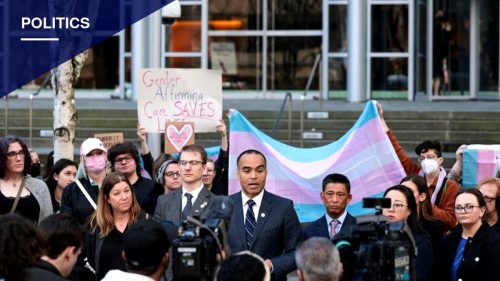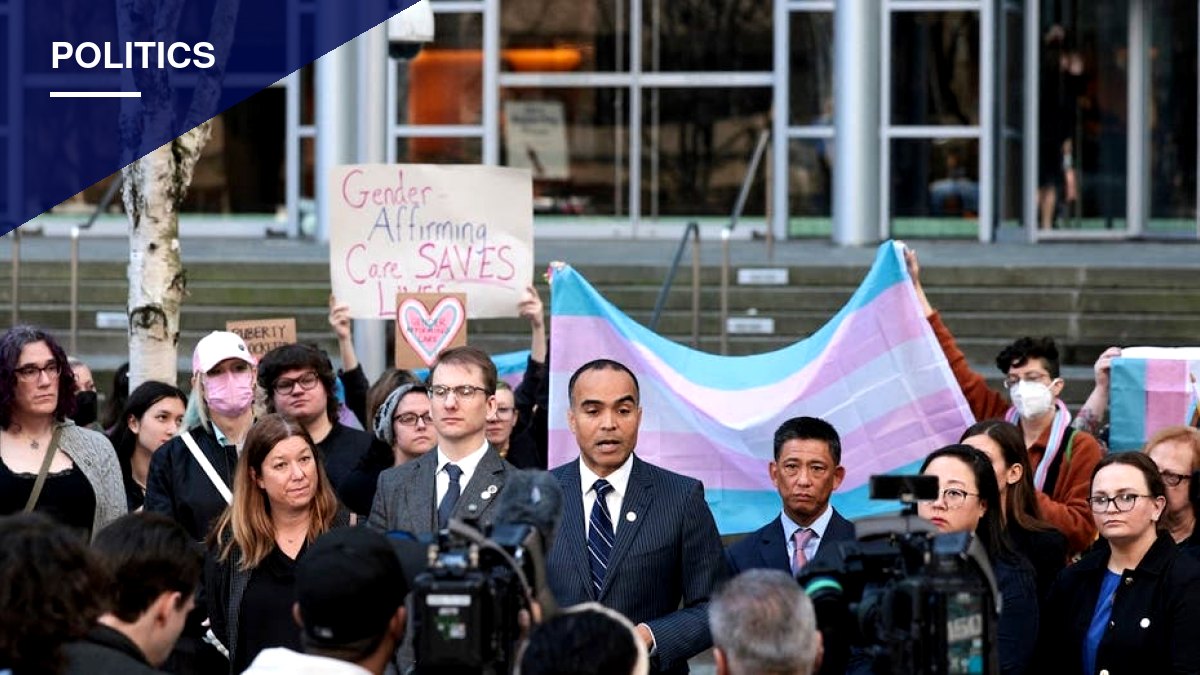
Washington Attorney General Nick Brown has turned over defense of Initiative 638, the voter-approved measure barring biological males from girls’ school sports, to an outside law firm, even as his office continues separate litigation protecting transgender rights.
Brown announced Thursday that the firm Bryan Cave Leighton Paisner will represent the state in defending the initiative, which Washington voters approved on Nov. 3 with roughly 56% support, according to returns.
“My personal views do not dictate what laws get defended or the strength of that defense,” Brown said in announcing the move.
Brown said defending laws enacted by voters is a core duty of his office, and noted his office will keep pursuing litigation on transgender residents’ health care and equal treatment. He said bringing in outside attorneys as special assistant attorneys general is standard practice when conflicts of interest, specialized expertise, or workload make it hard for his office to handle a case directly. He described BCLP as an experienced firm with a significant Washington presence that has represented the state before.
The decision came after questions were raised about how Brown’s office would handle the case given ties between his office and groups opposing the initiative. Brown’s former law firm, Pacifica Law Group, is among the organizations representing challengers, alongside the ACLU of Washington and Legal Voice.
Those groups filed suit in King County Superior Court on Monday, seeking to block the initiative before it takes effect Dec. 3. Plaintiffs include families of students in school sports, the Washington Education Association and TransFamilies.
What the initiative requires
The measure requires school districts and athletic associations to bar biological males from competing in girls’ competitions. Students must provide a form or statement signed by their health care provider verifying biological sex, based on reproductive anatomy, genetic makeup or naturally produced testosterone levels, as part of their routine sports physical. The text does not require every student to undergo a genital examination; its stated purpose is to use the existing sports-physical process to protect fairness, safety and competitive balance in girls’ athletics.
Opponents argue the sex-verification requirement violates state constitutional protections around privacy and equal rights, and say it could subject girls to intrusive scrutiny while excluding transgender students from opportunities open to other classmates.
Seattle schools weigh their own response
The fight is also playing out locally. The Seattle School Board voted 7-0 on Monday to authorize possible legal action over the measure, separate from the King County Superior Court lawsuit filed by civil rights groups. That vote does not itself block the initiative.
Board members said they wanted courts to clarify the district’s obligations under the new law alongside existing anti-discrimination and privacy protections. Board member Joe Mizrahi said during the meeting: “We can’t say we’re respecting democracy if we treat the most recent vote as a reason to ignore all the other laws that are on the books.”