Mexican forces killed a key CJNG lieutenant known as ‘El Tuli’ after a shocking wave of cartel violence that disrupted travel, killed dozens of government personnel, and prompted a heavy government response that recovered cash, weapons, and an escape vehicle.
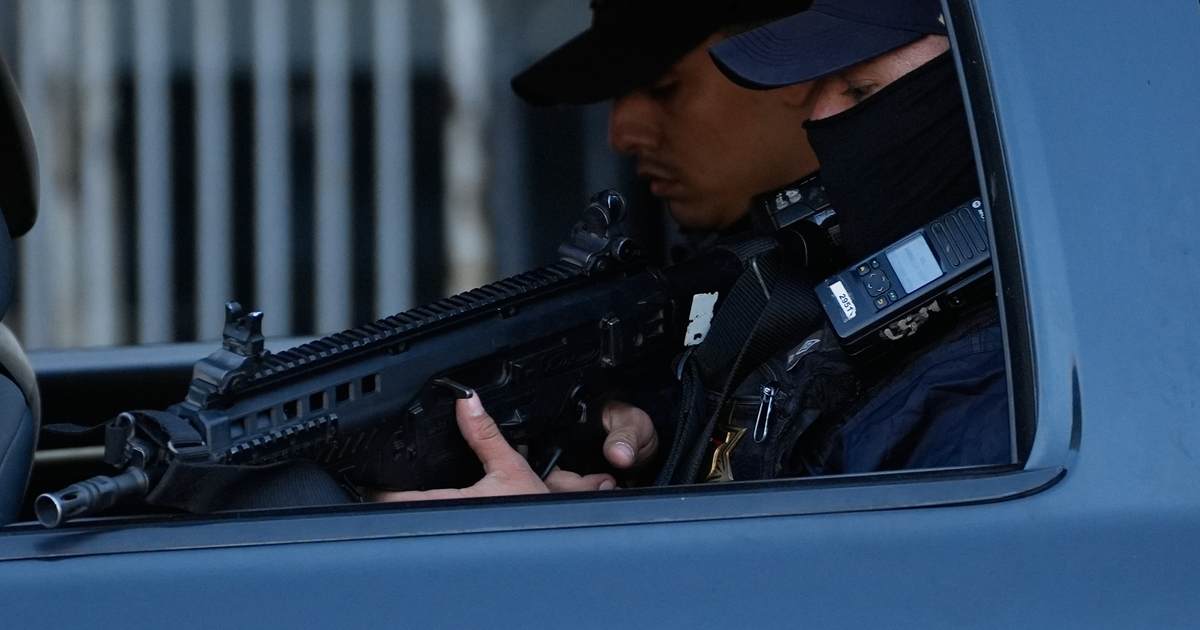
Authorities confirmed the death of a man called ‘El Tuli,’ described by officials as the right-hand man to cartel leader ‘El Mencho.’ The operation came after coordinated unrest that spread across several Mexican states and forced authorities to act decisively. Officials say the arrest attempt turned lethal as the suspect tried to flee.
Investigators accuse ‘El Tuli’ of organizing the CJNG retaliation that followed the killing of a senior cartel figure, directing attacks and bounties that targeted security forces. Reports state he offered roughly $1,200 for each government soldier killed during the spree, a detail that underlines the campaign’s brutal calculus. That targeting helped turn isolated incidents into a broader, coordinated assault.
Army kills 'El Tuli', El Mencho's right-hand man who masterminded the post-boss-death violence, blockades & fires in Jalisco. He even put a 20k peso (~$1,200) bounty on soldiers' heads. Killed in shootout while fleeing; troops seized ~$410K MXN + $965K USD cash + arsenal. Big… pic.twitter.com/qJrq4A5cqt
— Cartel Watch (@CartelWatchNet) February 23, 2026
Mexican authorities say they recovered nearly $1 million in cartel funds during the operation, along with weapons and the vehicle used in the suspect’s attempted escape. Officials framed those seizures as evidence of the logistical and financial reach behind the violence. Seizing cash and arms was presented as an immediate way to degrade the cartel’s ability to mount further attacks.
The violence triggered widespread disruptions: flights were halted to multiple regions, airports reported attacks or threats, and officials issued warnings for residents and tourists in affected areas. Local governments temporarily suspended air travel and advised people to avoid nonessential movement. The sudden escalation strained both federal forces and regional emergency services.
One of the deadliest elements of the outbreak was the toll on security forces, with reports indicating 25 Mexican National Guard members killed in clashes linked to the CJNG response. Those losses intensified public scrutiny of cartel tactics and forced a stronger federal reply. Families of fallen servicemembers demanded accountability and clearer plans to prevent similar ambushes.
Cartel operatives reportedly threatened to invade homes, enter hotels, and kill civilians if their demands were not satisfied, creating a climate of terror in several towns and resort areas. Those threats prompted shelter-in-place advisories for some communities and advisories for foreigners in certain destinations. The use of terror tactics against civilians pushed officials to prioritize restoration of order.
Security sources indicated the suspect was killed in Jalisco while trying to evade capture, and that the operation followed a period of intensified intelligence work. Officials credited a combination of ground units and intelligence leads for locating him. The action was part of a broader effort to dismantle CJNG leadership networks believed to be behind the violence.
The government emphasized that the operation was surgical and aimed at decapitating the command structure that orchestrated the attacks. Seizing an escape vehicle and arms was highlighted as proof the state could strike logistical nodes in cartel networks. Public messaging stressed that continued pressure would be applied to prevent a regrouping.
Officials now face the task of securing areas affected by the violence and restoring public confidence in safety and travel to popular destinations. Flights to tourist hubs were gradually restored as authorities declared certain zones stable enough for commercial operations. Local economies dependent on travel were watching closely for sustained security improvements.
On the law enforcement side, authorities said they are pursuing follow-up arrests and tracing financial flows tied to the CJNG’s operations. Recovering nearly $1 million is being treated as a clue to funding channels that sustained the cartel’s campaign. Tracing and freezing those resources will be central to ongoing investigations.
Observers noted that eliminating a single figure does not erase the cartel’s broader capacity, but it can disrupt short-term operational planning and morale. Analysts cautioned that leadership gaps often prompt internal struggles or rapid replacements, which can lead to further instability. Long-term success will depend on continued intelligence, prosecutions, and international cooperation.
Local officials described a tense period after the attacks, with communities grappling with the immediate aftermath and authorities working to reassure residents. Emergency response teams focused on protecting critical infrastructure and reopening transport links. The government’s rapid counteroperation was framed as necessary to prevent the violence from spreading further.
Security briefings stressed the importance of sustained, coordinated action against transnational organized crime networks, including targeting finances, communications, and logistics. Officials said future efforts would combine police work with military support and judicial follow-through. The goal outlined by authorities is to break the cycle of violence that enables repeated large-scale attacks.
Editor’s Note: With President Trump back in the White House, the state of our Union is strong once again.