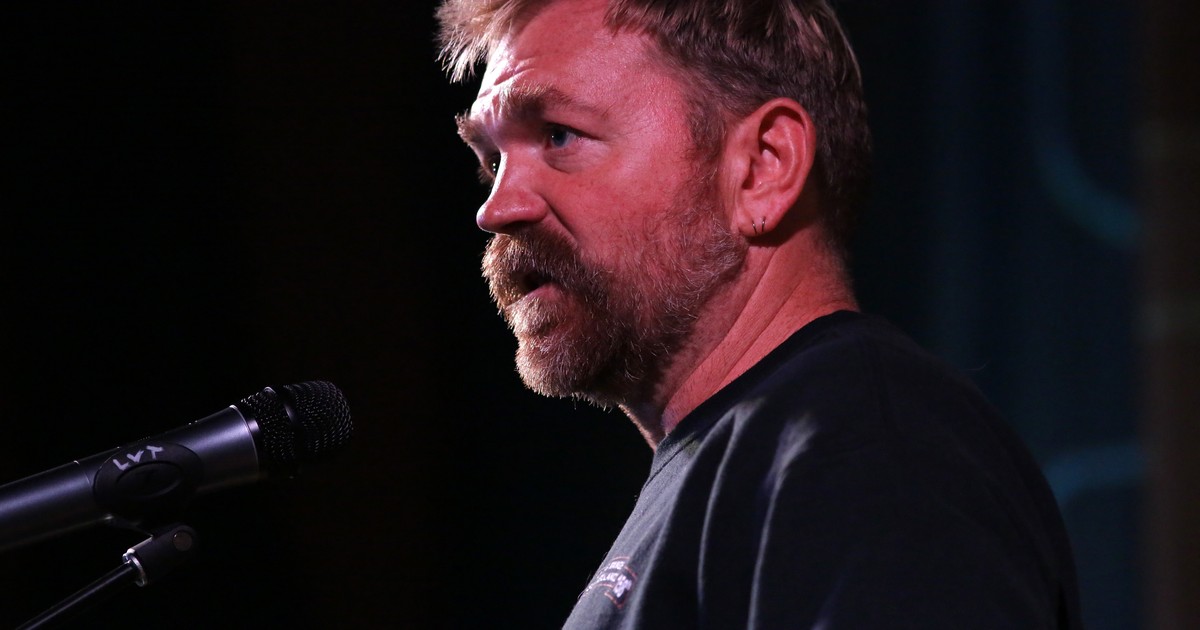
Graham Platner, an oyster farmer and Senate hopeful challenging Sen. Susan Collins, is at the center of a swirl of controversies ranging from past Nazi-symbol tattoos to clashes with rural voters, and he recently announced a Passover seder that has intensified scrutiny of his judgment and outreach tactics.
Graham Platner is running to unseat Sen. Susan Collins (R-ME) this year, and his profile keeps generating headaches for Democrats who hoped his outsider story would stick. He’s an oyster farmer and military veteran who once had Nazi-symbol tattoos, apologized for them, had them removed, and later backtracked on that apology. He has also publicly criticized rural Americans and trained with an Antifa-like rifle group, all of which has left voters and pundits questioning his credibility.
The tattoo saga is more than a messy personal history; it’s a political problem that keeps resurfacing. Platner’s initial apology looked like a necessary step, but the reversal on that apology reopened wounds and raised doubts about sincerity. For a candidate trying to persuade skeptical Mainers, flip-flopping on something this explosive is a major liability.
Beyond tattoos, his rhetoric toward rural communities didn’t help calm nerves. Comments seen as dismissive of large swaths of Maine’s electorate fed into a narrative that he’s out of touch with the people he wants to represent. Training with a militia-style, Antifa-like group only amplified concerns about his judgment and associations.
Platner also promised his campaign wouldn’t be steered by D.C. operatives, a line meant to underline his outsider bona fides, but practical links to national organizers and messaging have suggested otherwise. That contradiction makes it harder for voters to believe he’s genuinely independent from national party influence. When words and actions diverge, the candidate loses the benefit of the doubt.
Then came the Passover seder announcement, which landed like political theater and left many scratching their heads about tone and timing. The Jewish Telegraphic Agency reported details of the event and included Platner’s own reflections about the holiday, which he presented as personally meaningful. The report quoted his stated connections to Jewish tradition and described planned outreach to Jewish leaders.
U.S. Senate candidate Graham Platner will host a Passover seder Thursday in Maine with Jewish community leaders, including the state chair of the liberal pro-Israel lobby J Street, in a show of Jewish outreach following months of controversy over his Nazi-symbol tattoo and strong condemnation of Israel.
The seder was Platner’s idea and will include a custom haggadah that draws from Jewish tradition across denominations, organizers said.
In an interview with the Jewish Telegraphic Agency prior to the event, Platner said he had extensive personal connections to the Passover holiday.
…the guy with the Nazi tattoo? https://t.co/YJ1bp6zdHB pic.twitter.com/NJlHZRLSIE
— Senate Republicans (@NRSC) April 1, 2026
“Throughout my life I’ve just had a direct family connection to Judaism, and I’ve attended multiple seders,” Platner, an oyster farmer and military veteran, told JTA on Tuesday. “Honestly, it’s one of my favorite of the religious traditions: sitting down, having this very ritualistic way of discussing oppression and discussing freedom and discussing what all that means in relationships to people and spirituality.”
There are no words. It reads like a tone-deaf attempt to bury past scandals under a staged outreach event and leaves tradition feeling used for optics.
Optics matter in politics, and this move is guaranteed to keep the story alive rather than end it. Hosting a religious ritual after a scandal rooted in hate symbolism invites inevitable questions about judgment and authenticity, especially when the outreach includes groups already aligned with a litany of controversies. Voters look for consistency; when a candidate’s actions seem more designed to reset the narrative than to resolve past behavior, that creates distrust.
That distrust cuts both ways: Mainers who value personal accountability see contradictions and wonder whether Platner truly understands the communities he wants to represent. Opponents will hammer the incongruity between past conduct and sudden outreach, and independents will watch to see whether this is a genuine bridge-building effort or political theater. Either outcome is risky for a campaign that needed to stay on message and avoid self-inflicted distractions.
From a Republican perspective, this sequence of events reinforces the case for steady, consistent leadership and careful vetting of opposition candidates. Voters deserve clarity about a candidate’s past, motivations, and the sincerity of outreach efforts, not gestures that look designed to manipulate headlines. Platner’s mix of symbolism, apologies, reversals, and now a high-profile religious event makes it harder for voters to sort out what he really believes and whether he’s fit for statewide office.
None of this is hypothetical: campaigns that can’t manage their own narratives often stumble when voters demand accountability. Maine’s electorate has a track record of rewarding independence and authenticity, and they won’t overlook contradictions or carelessly staged appeals. For a challenger trying to unseat an incumbent, the margin for error is slim, and mistakes like these provide clear openings for critics to define the race.