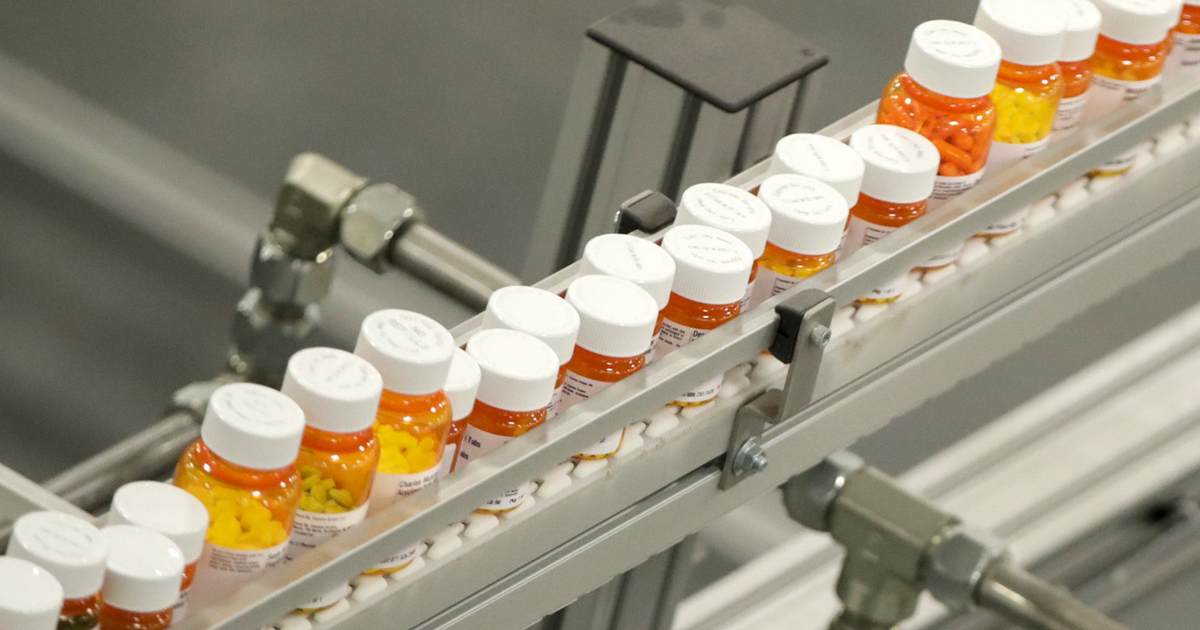
A California man admitted guilt in a massive Medi-Cal fraud that billed the program nearly $270 million for expensive, unnecessary prescription drugs over an 11-month period, triggering forfeitures, seizures, and multiagency investigations.
Paul Randall, 66, of Orange County, pleaded guilty to one count of wire fraud after admitting he funneled false claims through a pharmacy operation and split ill-gotten profits with partners. Federal filings state the scheme ran from May 2022 to April 2023 and produced at least $178,746,556 in Medi-Cal payments tied to fraudulent claims. Randall said he caused $269,120,829 in false and fraudulent claims and acknowledged committing the offense while on release in another case.
The indictment names pharmacist and pharmacy owner Kyrollos Mekail, 37, of Moreno Valley, and nurse practitioner Patricia Anderson, 58, of West Hills, as co-schemers who helped convert patient data into high-dollar billing. Investigators say Monte Vista Pharmacy, owned by Mekail, billed tens of millions per month for drugs that were cheap generics repackaged into unusual dosages or combinations not covered by price caps. The trio exploited a temporary suspension of prior authorization rules during Medi-Cal’s transition to a new payment system to push through inflated claims.
The operation reportedly paid marketers for Medi-Cal beneficiary information and then paid Anderson kickbacks to sign pre-filled prescriptions without meeting patients or reviewing records. Many prescriptions were never medically justified or never delivered, yet they were billed at thousands of dollars apiece. One example in court papers lists meloxicam 5 mg billed at approximately $13,424 for a single prescription, while the same generic typically costs between $5 and $25 for a 30-day supply in standard dosages.
Federal prosecutors say the scheme focused on 19 high-reimbursement, non-contracted, generic drugs such as pain creams and over-the-counter vitamins repackaged and billed as premium products. Randall allegedly received a share of Monte Vista’s reimbursements that at times equaled about 40 percent of the pharmacy’s profit from the fraudulent claims. To hide the trail, the defendants laundered proceeds, transferring funds through a third party to pay kickbacks and conceal the theft.
Randall agreed to forfeit assets tied to the fraud, including bank account balances exceeding $17 million, three vehicles, seven properties, and sports memorabilia. Authorities have seized roughly $126.5 million so far, including about $111 million in bank funds and securities, nine luxury vehicles totaling approximately $1 million, nine luxury real properties totaling approximately $13.5 million, and more than $1 million in sports memorabilia. Randall faces sentencing on August 3 and a maximum statutory penalty of 30 years in prison.
The Justice Department used strong language about enforcement in its public statements, quoting leadership focused on rooting out fraud. “Thanks to the leadership of President Donald Trump, the Department, working closely with the Task Force to Eliminate Fraud, is supercharging efforts to take down every fraudster and bring them to justice,” said Acting Attorney General Todd Blanche. Prosecutors also emphasized the financial impact on a program meant to serve vulnerable people.
“The defendant was a repeat fraudster who caused Medi-Cal, a program designed to help those in need, to be billed nearly $270 million for expensive and medically unnecessary medications,” said Assistant Attorney General A. Tysen Duva of the Justice Department’s Criminal Division. “He and his co-schemers stole over $178 million through false and fraudulent claims for these medications, lining their own pockets with public funds. The Criminal Division will aggressively prosecute those who defraud Medicaid and exploit taxpayer-funded benefit programs.”
First Assistant U.S. Attorney Bill Essayli put the case in clear, prosecutorial terms about public trust and accountability. “This defendant used a public health program as his personal piggy bank,” said First Assistant U.S. Attorney Bill Essayli of the Central District of California. “This guilty plea should send a message that this administration — consistent with the President’s war on fraud — will not turn a blind eye while criminals fleece taxpayers.”
Officials from HHS-OIG framed the plea as part of ongoing oversight. “Schemes that bill Medicaid for costly drugs that patients never needed or received threaten the integrity of the program,” said Acting Deputy Inspector General for Investigations Scott J. Lampert of the U.S. Department of Health and Human Services, Office of Inspector General (HHS-OIG). “This plea shows our firm resolve, alongside our law enforcement partners, to expose such fraud operations, ensuring those responsible are held accountable, and safeguarding taxpayer-funded health care programs.”
The FBI, HHS-OIG, and the California Department of Justice investigated the scheme, with prosecutors from the Criminal Division’s Fraud Section and the Central District of California pursuing charges and asset forfeiture. Assistant Chief Niall M. O’Donnell and Trial Attorney Siobhan M. Namazi handled the Criminal Division’s part, while Assistant U.S. Attorneys Roger A. Hsieh and James E. Dochterman managed trial and asset forfeiture matters in the Central District. The Health Care Fraud Strike Force Program led the Criminal Division’s coordinated anti-fraud work; since March 2007 the strike forces have charged over 6,200 defendants who collectively billed federal health care programs and private insurers more than $45 billion.