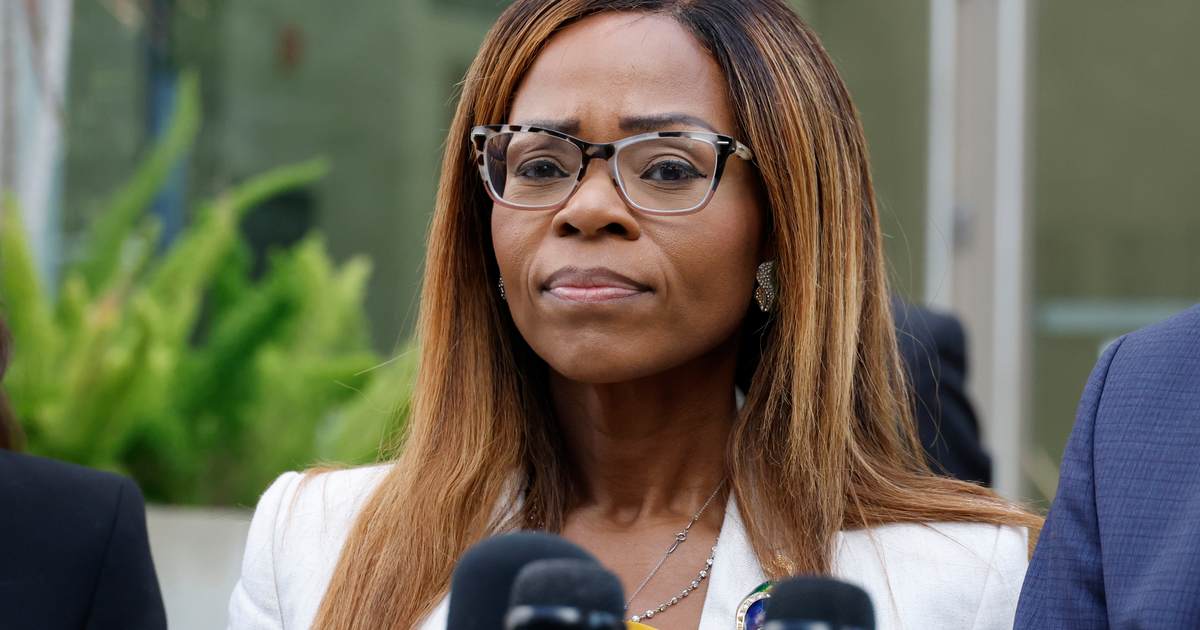
Sheila Cherfilus-McCormick abruptly resigned from Congress after a day of defiant statements, following an indictment and damning ethics findings that prompted bipartisan pressure for her removal.
The Florida Democrat announced her resignation on Tuesday as scrutiny over campaign finance allegations and a federal indictment closed in around her. The move came after a House ethics investigation and growing calls from both parties for accountability, leaving her office in immediate turmoil.
In a statement she argued she had been treated unfairly, writing, “This was not a fair process” because “The Ethics Committee refused my new attorney’s reasonable request for time to prepare my defense. By going forward with this process while a criminal indictment is pending, the Committee prevented me from defending myself.” Those words framed her protest even as momentum built for swift action.
Earlier the same day she had told reporters and staff, “For those asking whether I plan to resign, the answer is no,” a line that underscored how fast the situation shifted. That reversal—from refusal to step down to immediate resignation—left colleagues and constituents scrambling to reconcile her public posture with the unfolding fallout.
The core allegation is straightforward and severe: prosecutors say Cherfilus-McCormick received a roughly $5 million overpayment tied to a FEMA-funded COVID vaccination staffing contract. That contract was awarded in 2021 to a family-run business called Trinity Healthcare Services, and the extra funds became the focal point of a criminal case.
— Congresswoman Sheila Cherfilus-McCormick (@CongresswomanSC) April 21, 2026
Investigators allege the overpayment was not returned but instead routed through a network of bank accounts to hide its source. From there, federal prosecutors say large sums flowed into political campaign coffers and were spent on personal expenses, while additional charges include schemes involving straw donors and false statements on tax filings.
House investigators launched a detailed ethics probe that concluded she was responsible for more than two dozen violations tied to her financial conduct. Those findings provided the legal and political basis for colleagues to press for expulsion, arguing the chamber must uphold basic fiduciary and ethical standards.
Republicans moved quickly to introduce a resolution to expel Cherfilus-McCormick, and House Speaker Mike Johnson publicly backed removal. The push for expulsion gathered unusual bipartisan traction when some Democrats signaled they would join the effort, again highlighting how the allegations crossed normal partisan lines.
The episode fed a broader conservative argument about accountability in Washington and the need to police ethics regardless of party. For Republicans, the case served as a clear example of what they describe as a pattern where political figures try to shield themselves until public pressure forces action.
Timing mattered in this scandal. The indictment, the ethics report, and the public vote to press for removal all collided within days, and her shift from “no” to resignation in a matter of hours underscored how quickly congressional patience had evaporated. That abrupt about-face will be part of the record as House leaders and voters assess whether the system worked.
Legal proceedings are still pending, and federal prosecutors continue to move forward with the criminal case that triggered much of the inquiry. Meanwhile, members of Congress will have to manage the immediate practical questions about representation for the district and the broader political message sent by an expulsion push that nearly united both parties.
What happens next will be watched closely by voters and lawmakers who want to see firm consequences for elected officials who cross ethical and legal lines. The resignation removes one person from the spotlight, but the allegations and the investigation remain active and will shape conversations about oversight and trust in elected office going forward.