Francesca Hong’s energy proposal promises big changes and bigger bills for Wisconsin families.
Francesca Hong, the leading Democratic candidate for Wisconsin governor, just rolled out an energy plan that she says will shift the state toward greener power. The proposal is being framed as climate action, but it carries steep price tags and serious consequences for everyday households. Critics on the right argue the plan would raise costs, threaten reliable heating in brutal winters, and reshape rural land use in ways voters will feel immediately.
At its core, the plan relies on rapid, large-scale moves away from traditional energy sources toward renewables and electrification. That transition can work when done carefully, but this proposal reads like a sprint with little attention to cost or grid resilience. For Wisconsin, where winters are extreme and manufacturing and farming depend on steady power, sudden changes could mean painful trade-offs.
Pass the Climate Accountability Act to cut carbon emissions 52% by 2030 and make Wisconsin carbon-neutral by 2050 — and adopt a binding clean electricity standard to reach 100% clean electricity by 2040
— Francesca Hong For Governor (@FrancescaHongWI) April 22, 2026
Simply incredible.
Yeah, she’s a commie, so that’s the goal.
The decline in quality of life is the point.
They will destroy Wisconsin.
The plan’s financial math is the most alarming part for voters watching their monthly statements. Even advocates admit the upfront costs are high, and independent estimates suggest average households could see sharp increases. That translates into real strain on working families, seniors on fixed incomes, and small businesses that already operate with thin margins.
That kind of impact is exactly what critics point to when they call for slower, market-driven reforms instead of broad mandates. Policymakers can support cleaner sources while protecting affordability, but Hong’s approach stacks mandates and timelines that invite higher bills. For people who heat with electricity or need reliable power for medical devices in subzero weather, reliability is not an abstract policy debate; it’s safety.
Taxpayers are also on the hook for the infrastructure overhaul this plan would demand. The reported $248 billion figure—if accurate—would translate into massive obligations spread across years and generations. The analysis claiming each resident would effectively carry roughly $41,000 in costs forces a simple question: who pays, and when?
That’s $250 a month, from the party saying we need “affordability.” And that’s a low estimate.
If this costs $248 billion, that means each and every person in WIsconsin will have to pay $41,000 for her green climate scheme.
We’ll not only freeze to death in Wisconsin, but we’ll also starve, too, as our farmland is wiped out for “green” energy.
Last winter, it got well below zero, with wind chills in the -50s. People will die. Pipes will freeze.
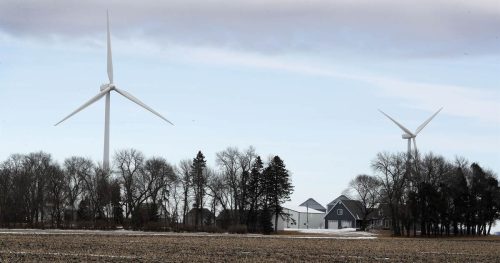
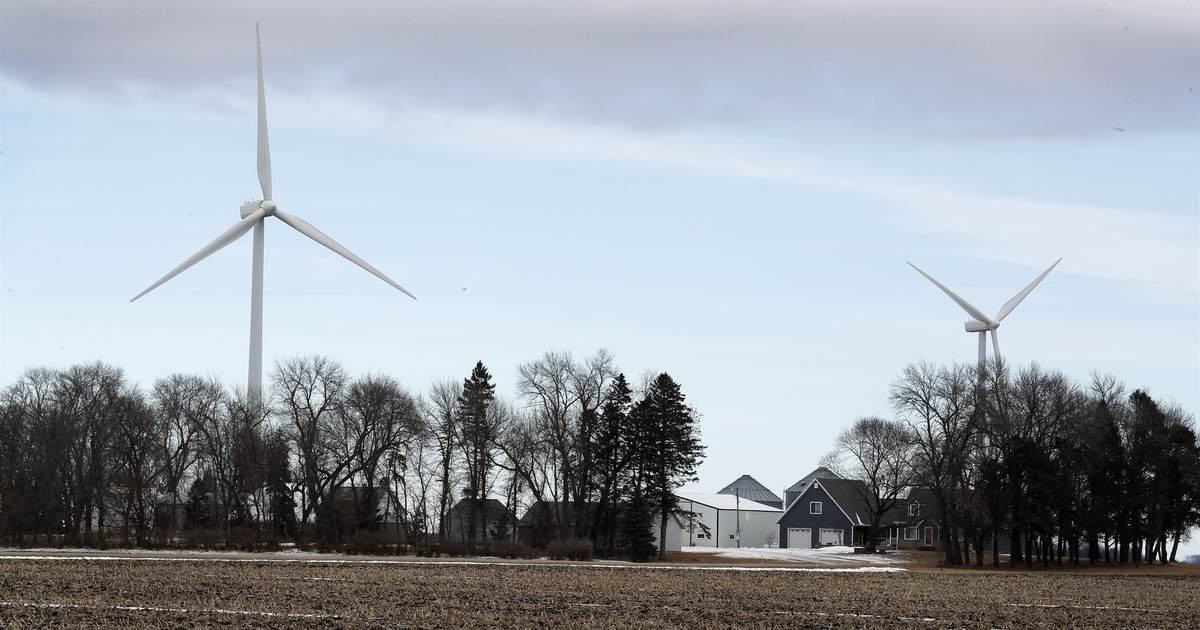
Beyond price tags, the plan raises land-use and food-security concerns. Deploying large-scale wind and solar installations across productive farmland can change rural livelihoods and reduce cropping acres if not carefully sited. Farmers and local officials often object when top-down green projects ignore local priorities, and that tension is likely to grow if the proposal moves forward without clear protections.
Energy policy also affects industry and jobs. Manufacturers that rely on steady, affordable electricity will factor policy risk into investment decisions. If Wisconsin becomes known for sudden cost spikes or frequent power constraints, companies will hesitate before expanding here. That runs counter to the economic growth arguments progressives often make when touting a transition to clean energy.
Supporters say the long-term benefits—lower emissions, new clean-energy jobs, and reduced fossil fuel dependence—justify the costs. Those are reasonable goals, but the debate here is about pace and priorities. Republicans argue for pragmatic, step-by-step shifts that preserve reliability and protect taxpayers, rather than sweeping mandates that impose heavy bills and uncertain outcomes on families.
Voters will get to weigh these trade-offs in the months ahead. The choice is between an aggressive, expensive transformation pushed quickly by state mandates, and a more measured path that balances cleaner energy with affordability and grid reliability. Wisconsin’s extreme winters make the stakes more immediate than in many other states, and that reality will shape the campaign conversation.
For now, critics say the proposal reads like a political promise wrapped in idealism and delivered with little regard for how families actually keep the lights on and the heat running. Bringing clean energy into the mix is one thing; saddling residents with large near-term bills and risky reliability is another. That distinction is central to how voters will judge the plan at the ballot box.