Nebraska Democrats are running a two-person play that could hand the state’s Senate seat to a progressive independent, with a Democratic candidate openly saying she will step aside if nominated so her ally can face the likely Republican nominee in November.
Cindy Burbank, who entered the Democratic primary in Nebraska, has made clear she intends to act as a conduit rather than a traditional candidate. Her campaign messaging, posted on her company website, said she would drop out if she wins the Democratic nomination to give her partner “a fair shot against Ricketts,” the likely Republican nominee. That admission has turned what should be a straight primary into a coordinated maneuver.
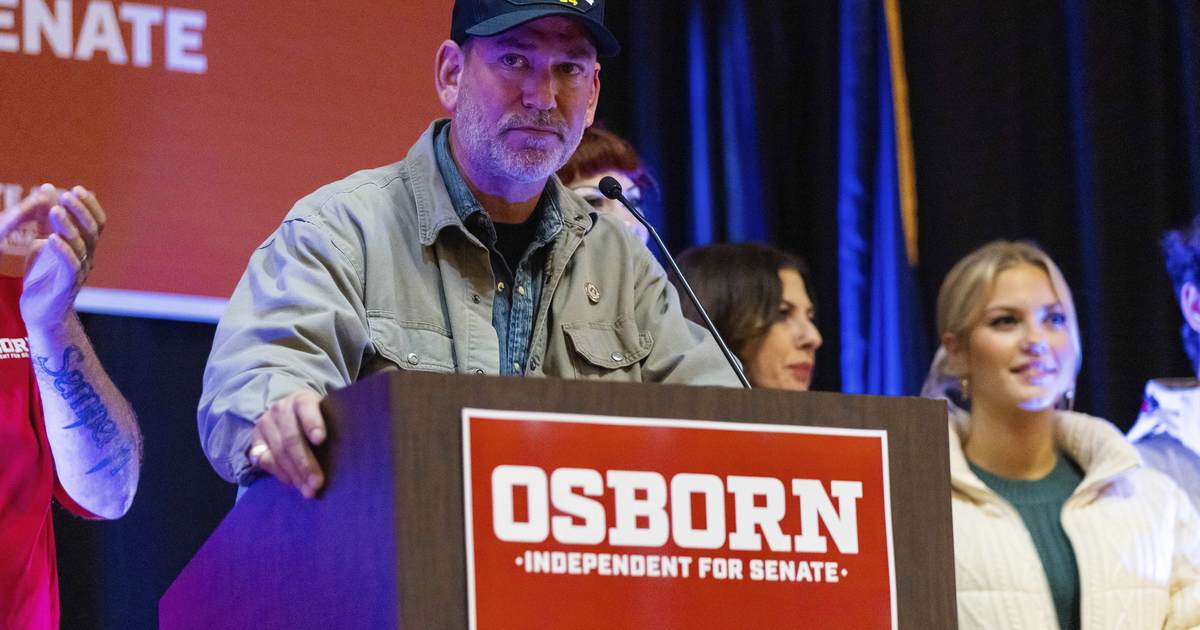
Dan Osborn, the independent who stands to benefit, has embraced the scheme and publicly urged Democratic primary voters to back Burbank instead of a conventional Democrat. Osborn’s social posts push the same strategy: nominate Burbank so she can clear the field for him in November. The posture from both principals reads less like competition and more like a planned transfer of ballot access.
The Nebraska Democratic Party has not distanced itself. Party leaders, including state chair Jane Kleeb, have signaled support for Osborn while simultaneously encouraging the Democratic lane to nominate Burbank. That official posture turns a private tactical choice into an organizational strategy, and it exposes the party to criticism that it is gaming the system. For many voters, the optics are unmistakable.
Republicans moved to stop it, arguing Burbank is not a bona fide candidate and that her presence on the ballot is a cynical ploy to manipulate who appears in the general election. Nebraska Secretary of State Bob Evnen agreed at first and removed Burbank from the ballot on the grounds she was not running in good faith. Burbank fought back in court and framed the issue as a matter of statutory interpretation, arguing that state law does not “prohibit candidates from running in a primary election while also openly promoting another candidate for the general election.”
Here are two things you ought to know about Nebraska’s upcoming primary:
-Because I’m an Independent, I won’t appear on your primary ballot. I’ll be on your ballot in November. Please don’t waste your vote writing me in!
-If you’re voting in the Democrat primary, please be wary… pic.twitter.com/NOSfnsmEtl
— Dan Osborn (@osbornforne) April 21, 2026
The legal fight landed at the state Supreme Court, which allowed Burbank back onto the ballot after ruling Evnen had missed the deadline for filing the challenge. That procedural technicality means the tactic survives for now, despite GOP objections that the process was abused. The ruling leaves the strategy intact as the contest moves toward the primary date.
Nebraska’s primary election will be held on May 12, and that date now carries more weight than usual in the eyes of national observers. If Burbank wins the Democratic nomination and follows through, Osborn would likely enter November with an easier path against a fractured opposition. For Republicans who prefer a straightforward two-party matchup, the idea that a party would orchestrate a third-party boost feels like an end-run around voter expectations.
Beyond the immediate players, the episode raises bigger questions about ballot access rules, candidate sincerity, and how parties deploy loopholes. Critics argue this is a cynical manipulation that undermines voter choice and rewards tactical dodges over honest campaigning. Supporters inside the party call it creative politics, a pragmatic way to try to beat a favored GOP nominee in a red state.
Both sides now watch practical consequences: whether independent Osborn can consolidate enough support in November, whether energized GOP voters will rally around Ricketts, and whether future campaigns will copy the playbook. The court’s timing and the party’s public posture set up a test case for how far political actors can stretch the rules. The controversy also shows how fragile ballot law can be when political incentives favor creative strategies over conventional candidacies.
This episode is likely to attract attention from national strategists who study pickup opportunities and election mechanics, because a win or loss here could shape tactics in other close states. It also puts Nebraska voters in the odd position of deciding whether a candidate who promises to step aside is worthy of their nomination. With the state primary weeks away and the legal dust still settling, the contest will reveal whether this kind of maneuver is an isolated gambit or a play that spreads to other races.