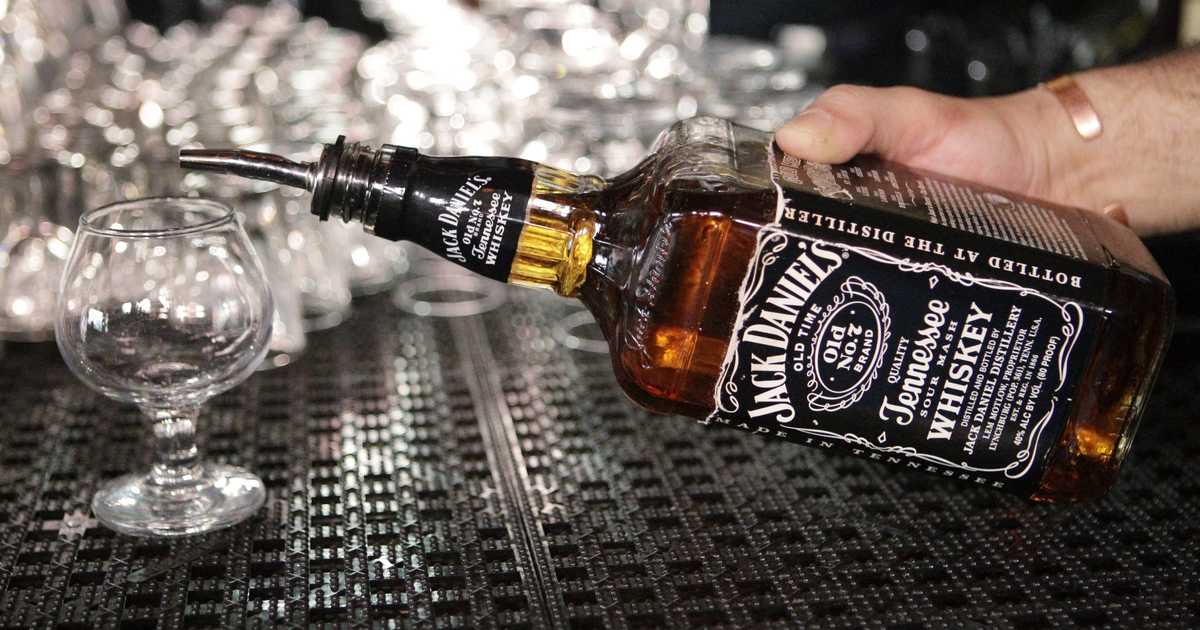
Jack Daniel’s, a deeply American whiskey icon owned by Brown-Forman, faces talks that could hand control to a foreign company, raising concerns about heritage, jobs, and national security.
Jack Daniel’s is woven into American history, founded long before modern global mergers became routine. Brown-Forman bought the Jack Daniel’s label in 1956 and continues to steward a brand built on generations of workers and a unique Tennessee place. The distillery is the first registered distillery in the United States and sits on the National Register of Historic Places, which makes its potential sale feel bigger than a corporate transaction.
On the market side, Jack Daniel’s is a powerhouse. Its Black Label remains the best-selling American whiskey in the world, and the brand’s entire portfolio has moved more than 16 million cases globally.
Now Paris-based Pernod Ricard is reportedly in talks to acquire Brown-Forman, a move that would place one of America’s most recognizable spirits under foreign ownership. Company executives point to weakening demand and tariff headaches as reasons to consider the deal, but those business arguments collide with questions about national identity and security.
Jack Daniel’s maker faces foreign takeover push https://t.co/GVqMhbqlkQ
— Bo Snerdley (@BoSnerdley) April 28, 2026
Pernod Ricard is no small player — it owns Absolut Vodka, Jameson Irish Whiskey, Chivas Regal, Beefeater Gin, and Malibu Rum — and its interest changes the optics of the sale. At the same time, Louisville-based Sazerac, owner of Buffalo Trace and a longtime domestic distiller, has signaled it plans to compete with an offer of its own. That domestic alternative makes the choice starker: sell to a French conglomerate or keep the brand under American hands.
A potential takeover by Pernod Ricard would almost certainly trigger a CFIUS review, the federal process that examines foreign investments for national security implications. That review pulls in multiple agencies to identify risks and demand remedies where needed, and it can slow or block transactions that threaten critical supply chains or sensitive know-how. Distilling itself is not an obvious military concern, but the broader precedent of selling iconic American food and beverage names to foreign owners is what has Washington watching.
There is precedent for taking a hard stance. In recent years, President Trump intervened in several high-profile foreign acquisition attempts, citing jobs and security concerns. His administration stepped in on transactions like a proposed takeover involving U.S. Steel and objected to certain foreign moves into semiconductor assets, describing the decisions as necessary to protect American interests. Those actions signaled a willingness to prioritize sovereignty over quick financial closes.
Jack Daniel’s is more than shelf space and a logo; it’s a living factory, a workforce, and a tradition centered in Tennessee. When a brand is bound to a community and a way of life, ownership matters in practical ways — from local jobs and tax revenue to how a community’s story gets told. Foreign buyers can own the trademark, but they cannot simply replicate the generations behind the label or the pride of a local workforce.
If Brown-Forman and Pernod Ricard reach an agreement, the public and regulators should scrutinize what’s on the table beyond price. Selling the brand may relieve short-term corporate headaches, but it also hands control of a national cultural asset to a foreign board. That trade-off demands tough questions about long-term costs, not just immediate gains.
For now, the outcome remains uncertain, but the debate is clear: preserve an American icon under domestic ownership or accept consolidation into a global spirits giant. Whatever happens, this decision will reverberate through Kentucky and Tennessee distilling communities and set a tone for how similar cases are treated in the future.
AP Photo/Paul Sakuma, File
Editor’s Note: The 2026 Midterms will determine the fate of President Trump’s America First agenda. Republicans must maintain control of both chambers of Congress.