Seattle’s mayor walked away from a plain question about public safety after a nearby shooting, and the exchange exposes how easily officials dodge tough conversations about crime and surveillance.
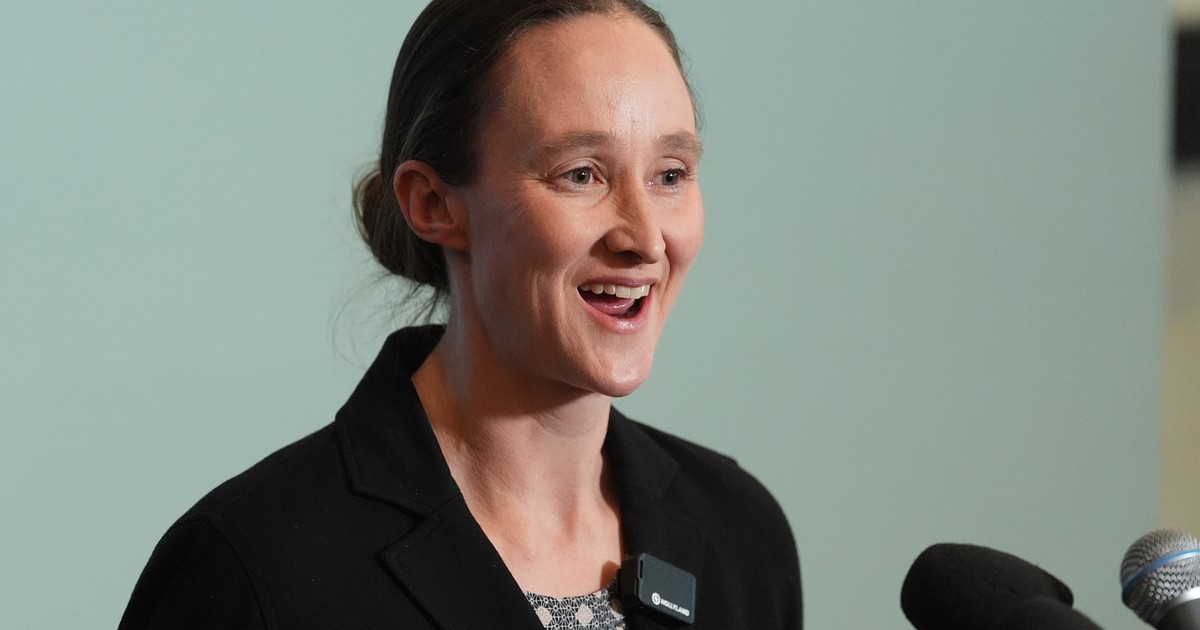
Seattle Mayor Katie Wilson’s handling of a recent interview was a train wreck the city didn’t need. She was on site when shots rang out near a community center, and instead of answering straightforward questions about public safety and surveillance, her staff shut down the exchange. That moment says more about her administration’s priorities than any polished campaign line ever could.
At the event, the mayor and other officials were startled by gunfire in the vicinity, which sent staff scrambling and attendees seeking cover. The scene left neighbors worried and talking about whether more cameras or different policing strategies might reduce violence. Rather than engage with those concerns, the interaction with reporters ended abruptly, leaving residents without clear answers.
INSANE. Seattle's Socialist Mayor responds to exodus of wealth from Washington state by saying "BYE" … then laughing. We're doomed. pic.twitter.com/gP8CbPkqEl
— Brandi Kruse (@BrandiKruse) April 29, 2026
The interview was with a local reporter who asked whether the recent shooting changed the mayor’s stance on expanding surveillance cameras. Instead of taking the question, Wilson’s team cut the conversation short and steered the moment back to the scheduled announcement. That response looks like avoidance, plain and simple, and it fuels the perception that the city’s leadership is out of touch with basic safety priorities.
Campaigns and rhetoric aside, voters want concrete policies that make streets safer and protect small businesses. When office buildings sit empty and become magnets for homelessness and crime, local leaders should be accountable for the decline—not dismissive. If you’re running the city, you have to answer tough questions about why businesses and investors are fleeing and what you will do to stop the rot.
She spoke briefly about the shooting on Tuesday, just before an appearance to announce a new wood recycling facility, referencing the incident at the Yesler Community Center.
The mayor had just finished speaking to announce the expansion of the Seattle preschool program when shots were fired nearby. Wilson’s security team rushed her to safety, and Seattle City Councilmember Maritza Rivera said she and the Seattle Public Schools superintendent were forced to shelter inside.
No one was injured, and no arrests have been made. Police said the suspects fled in a dark-colored sedan.
Neighbors, both on and off camera, said they would support expanding surveillance systems if it helped reduce gun violence in the area. When asked on Friday whether the incident had changed her views on surveillance cameras, Wilson’s staff intervened during the interview.
“Let’s keep it on topic,” a city employee said.
Wilson attempted to respond but was interrupted again, and the interview ended as the staff said the event was about to begin.
Another staff member suggested scheduling a separate time to address the question.
That scripted, managerial reflex—yanking a public official away from a live question—feels like protecting a message instead of protecting the public. “Keep it on topic”—that’s just laughable when people are worried about gunshots in their neighborhood. Voters expect mayors to answer difficult questions in real time, not hide behind talking points or PR staffers.
Compare this to how other public figures handle pressure: tough questions aren’t negotiable just because they unsettle a script. Reporters ask about what matters to citizens, especially when lives and livelihoods are at stake, and elected officials are paid to respond. If you can’t take the heat that comes with public service, you shouldn’t run for the job.
There’s a deeper problem here beyond one awkward interview. When officials oppose sensible safety measures like targeted surveillance, and then duck accountability after an incident, the results are predictable: more fear, fewer businesses, and a city that slowly hollowed out. Seattle deserves leadership that faces uncomfortable questions and offers real fixes instead of excuses and interruptions.
Ms. Wilson, if you want trust from residents and business owners, start by answering when asked and explain what you will do to reduce crime and restore confidence. The people who live and work in the city need straight talk and clear plans, not a quick exit when scrutiny arrives. This exchange was a reminder that rhetoric without responsibility leaves communities paying the price.