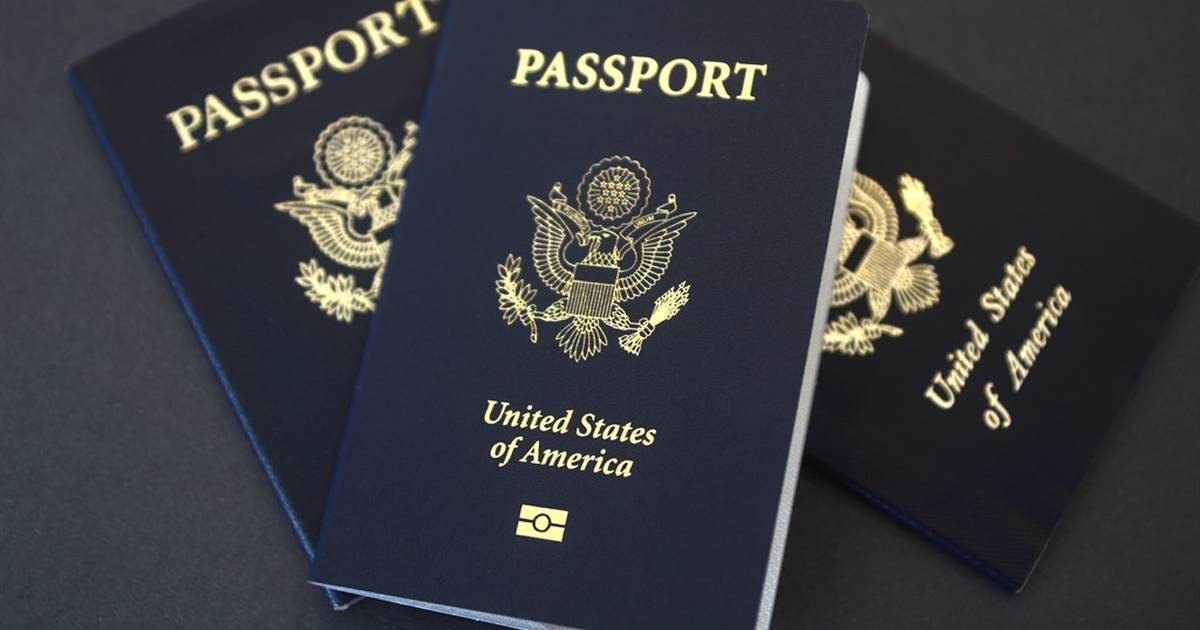
The U.S. is rolling out passport revocations for people with large unpaid child support balances, then widening the net to much lower thresholds.
Starting tomorrow, the State Department will begin pulling passports from Americans who owe significant child support, a move aimed first at those with six-figure debts. Officials say the initial focus will be on parents who owe $100,000 or more, then expand to a much larger group who owe $2,500 or more under a 1996 law. This is enforcement finally catching up to a long-neglected statute that treats failure to pay as a national problem with real consequences.
The initial phase targets roughly 2,700 passport holders, based on figures Health and Human Services shared with the State Department. Those on the list face revocation as early as Friday, and the policy could sweep up many more once state agencies finish sending data to HHS. For Republicans who favor strong enforcement, this is a straightforward step: use existing tools to compel responsibility.
The U.S. will start revoking passports this week for parents who owe $100,000 or more in child support and soon will expand the policy. https://t.co/dEC8CFithF
— The Associated Press (@AP) May 7, 2026
The department told The Associated Press on Thursday that the revocations would begin Friday and be focused on those who owe $100,000 or more. That would apply to about 2,700 American passport holders, according to figures supplied to the State Department by the Department of Health and Human Services.
The revocation program, plans for which were first reported by the AP in February, soon will be greatly expanded to cover parents who owe more than $2,500 in unpaid child support — the threshold set by a little-enforced 1996 law, the State Department said.
It was not clear on Thursday how many passport holders owe more than $2,500 because HHS is still collecting data from state agencies that track the figures, but it could encompass many more thousands of people, officials said.
Will this nudge scofflaw parents to pay what they owe? Maybe, and maybe not for everyone, but it creates real leverage. A suspended passport hits where some offenders feel it most: the freedom to travel internationally and the stigma of being flagged for serious delinquency. It’s a blunt tool, but blunt tools can be effective when other avenues have failed.
There are practical limits, of course. If a parent genuinely cannot pay, enforcement needs to be paired with fair review and clear processes to contest errors or show hardship. The government must avoid punishing people who are wrongly listed because of bureaucracy, inconsistent state records, or simple clerical mistakes. That balance—firm on fraud and evasion, fair to legitimate hardship—is where policy succeeds or fails.
For those who simply refuse to meet obligations, the answer is obvious: pay your child support on time. Losing a passport is an uncomfortable consequence, and for many it will be a wake-up call that shirking responsibilities has real costs. Republicans tend to favor enforcing laws already on the books rather than inventing new ones, and this fits that approach.
Expect legal pushback. When enforcement ramps up, affected parties and advocacy groups will test the boundaries in court, challenging procedures, data accuracy, and constitutional claims. Courts will have to decide how far executive agencies can go in restricting travel over domestic arrears, and judges may impose safeguards or pause enforcement while cases proceed. That litigation is part of the process whenever government steps up enforcement after years of lax application.
Practically speaking, expanding to a $2,500 threshold could capture thousands more people across many states once HHS finishes compiling files. That scale makes clear why the program starts with the largest delinquencies first, both to limit initial litigation and to show the policy’s intent: target the worst offenders, then broaden enforcement. If the goal is to improve outcomes for children and ensure support reaches them, enforcement must be consistent and well administered.
There will be administrative questions too: how notices are delivered, how appeals are handled, and how quickly passports can be reinstated after debts are settled or arrangements made. Agencies must communicate clearly to avoid trapping people who want to comply but are stuck in red tape. Done right, this can be straightforward; done poorly, it becomes another bureaucratic mess that hurts families.
Bottom line: the government is using an existing law to press a longstanding responsibility, and that will create immediate consequences, enforcement headaches, and legal fights. Continued attention to data accuracy and fair process will determine whether this becomes an effective tool to protect children’s interests or just another headline about heavy-handed government action.