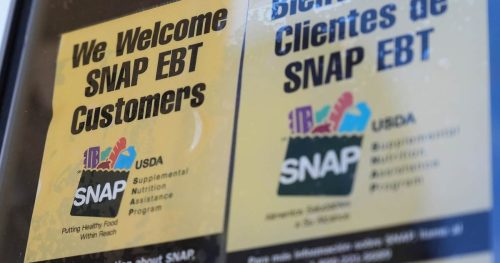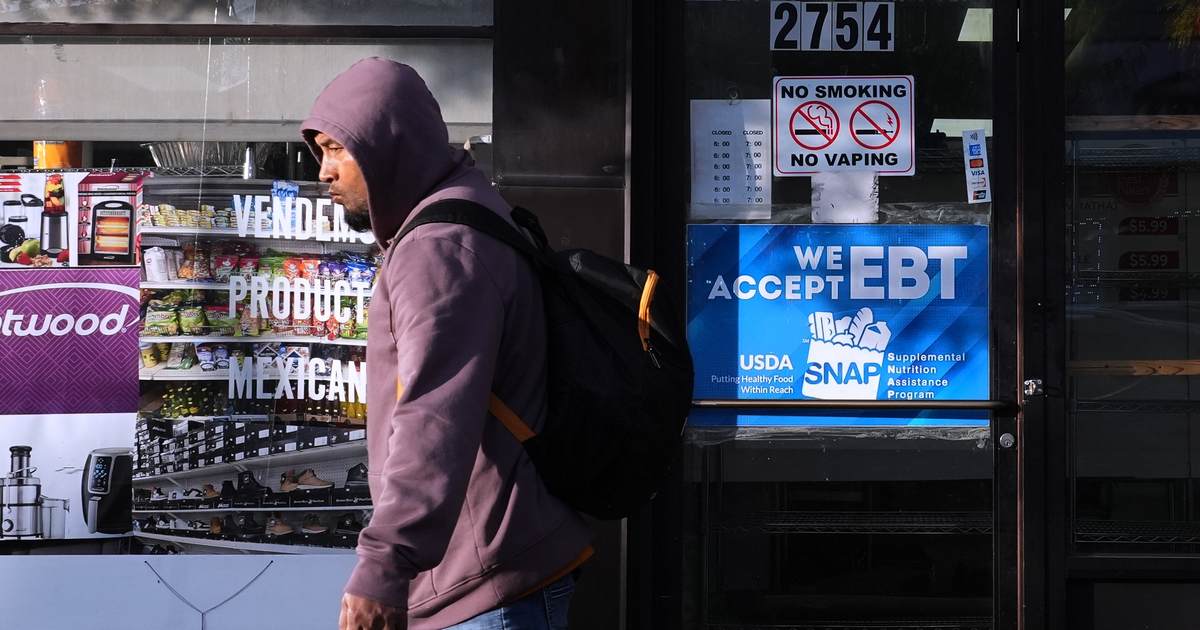
The USDA has finalized new SNAP retailer stocking rules that force authorized stores to carry more whole foods, tighten perishables requirements, and raise accountability for how taxpayer dollars are spent on groceries.
The U.S. Department of Agriculture has published a final rule that changes stocking standards for retailers that accept Supplemental Nutrition Assistance Program benefits. The shift aims to put healthier, real food options in front of the roughly 41 million Americans who rely on SNAP to buy groceries.
The Food and Nutrition Service has already been enforcing standards: since the beginning of the Trump Administration, it has taken action on nearly 3,200 retailers for failing to meet or maintain stocking requirements. Those enforcement actions include disqualifications when retailers fall short, showing the agency is serious about compliance and program integrity.
Here’s the administration’s message and the stakes in plain terms: “To turn the tide on our nation’s health crisis, we need to ensure our nutrition assistance programs emphasize real food first, and that’s exactly what these updates to SNAP retailer requirements will do,” said U.S. Secretary of Agriculture Brooke L. Rollins. “SNAP authorized retailers accept over $90 billion a year, or $236 million a day, in taxpayer dollars—USDA is making sure they’re actually in the business of selling food. And for those retailers who are the only food outpost for miles, I know you will be so excited to serve your customers and communities healthy food.”
The new rule forces a concrete change on the shop floor: authorized stores must now carry seven varieties of items across four staple categories—protein, grains, dairy, and fruits and vegetables. That more than doubles the old variety requirement, raises the bar for perishable items, and closes the loopholes that let junk and snack foods count as staple inventory.
There are conservative reasons to back this approach: taxpayers fund SNAP, and we should expect retailers that accept benefits to be in the business of selling food, not just running a convenience counter. Ensuring a baseline of whole and perishable foods helps SNAP recipients access healthier choices without expanding benefits or creating complicated new programs.
On the interagency front, the move drew support from HHS leadership as well: “This rule puts real food back at the center of SNAP,” said U.S. Department of Health and Human Services Secretary Robert F. Kennedy, Jr. “I thank Secretary Rollins for her leadership in advancing these commonsense reforms.”
“It demands more from retailers and delivers better options for the families who depend on this program. This administration is committed to working across government to improve nutrition, strengthen accountability, and drive better health outcomes nationwide. This is how we Make America Healthy Again.”
Better food, better standards. 🍎@USDA_FNS' new minimum stocking standards ensure SNAP participants have access to a wider variety of nutritious options nationwide. With nearly 3,200 retailers already held accountable for falling short of these standards, the focus remains on… pic.twitter.com/lMy04gjsTM
— Dept. of Agriculture (@USDA) May 7, 2026
Beyond healthier shelves, the rule targets accountability. Officials say better stocking standards will help reduce program violations that arise when stores listed as food sources actually sell limited or inappropriate items, and could blunt illicit activity tied to benefit trafficking. Stronger rules give regulators clearer grounds to act against outlets that skirt the system.
Rural communities and single-outlet towns matter most in this debate, and the administration claims the rule supports them by requiring real food to be available where it is otherwise scarce. That claim is likely to face scrutiny from small-store owners who worry about implementation costs, refrigeration needs, and supply chains, but the administration positions these reforms as a necessary tradeoff for program integrity.
Retailers will need to adapt their inventories and, in some cases, their operations to meet the new standards. The department says additional guidance is coming in the weeks ahead to explain requirements and timelines, which is critical for smaller operators who may lack procurement networks larger chains use to source perishables.
The updates take effect in Fall 2026, giving retailers and state partners time to plan for compliance. For conservatives focused on fiscal responsibility and measurable outcomes, this rule is framed as a way to protect taxpayer dollars while nudging the food environment toward better nutritional options without expanding the federal footprint.
Implementation will reveal how well the policy balances accountability with practical realities on the ground, and how quickly federal and local partners can provide the technical support small retailers need. If done smartly, the change could raise standards at the register and improve access to healthier staples for millions of Americans who depend on SNAP every month.