Judge Allows Cameras in Charlie Kirk Murder Trial
A judge has ruled to allow cameras in the upcoming July trial about Charlie Kirk’s murder, a decision that puts the proceedings squarely in the public eye. The case centers on an alleged shooting that occurred at a campus event and was captured on multiple video sources. With the trial date set, questions about transparency, safety and campus free speech are now front and center. Expect a courtroom many Americans will see play out on screen as evidence and testimony are presented.
The shooting occurred on September 10, 2025, when Charlie Kirk was hosting a free speech event on a college campus in Utah. Authorities say Tyler Robinson allegedly shot and killed Kirk during that event, and the tragic incident was recorded by several cameras. Thousands of students reportedly witnessed the aftermath, and multiple perspectives on the event exist because of the footage. That raw visual record has already shaped public understanding and will be crucial in court.
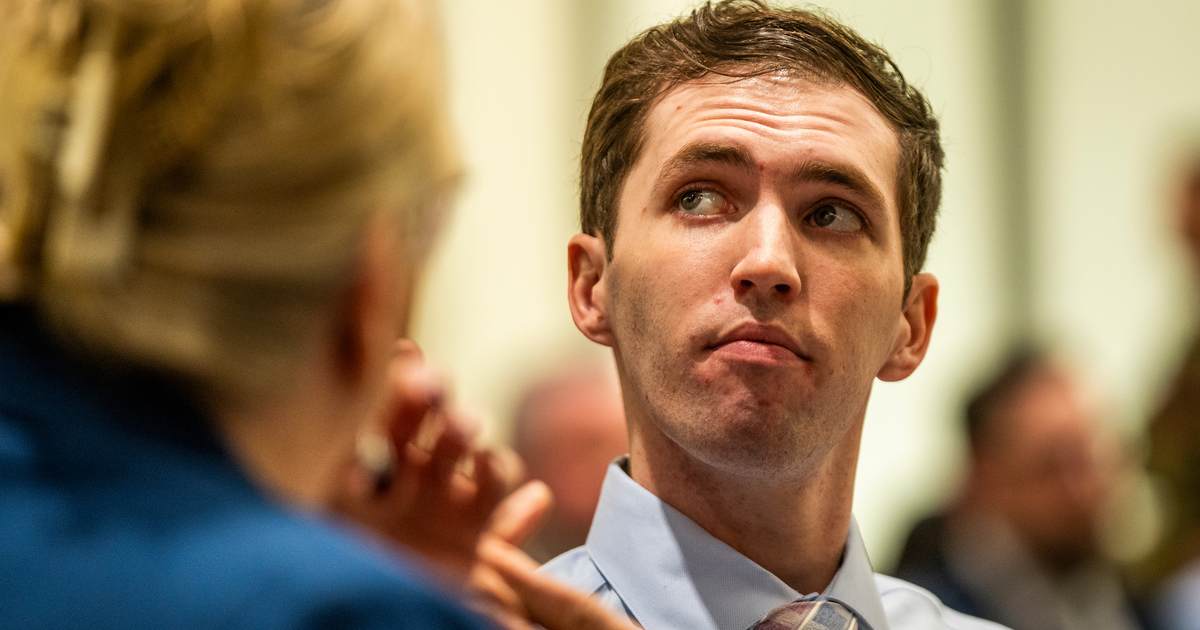
Robinson’s family turned him into local law enforcement, according to reporting on the case, and he now faces murder charges in a trial that will proceed in July. The presence of video evidence raises predictable legal debates about how footage should be shown to jurors and whether camera coverage changes courtroom dynamics. Defense teams often worry about prejudicial effects, while prosecutors and public advocates argue transparency matters. The judge’s ruling sides with openness, allowing cameras during at least part of the proceedings.
Allowing cameras will make the trial accessible beyond the courtroom and give citizens a direct look at the legal process for a case that has sparked national attention. For many, seeing the evidence and testimony firsthand helps separate speculation from fact. It also forces institutions—universities, law enforcement and media—to confront how they responded to the incident and whether policies around campus events need change. That scrutiny is uncomfortable for some, but sunlight tends to clarify disputed narratives.
Security and decorum remain real concerns when high-profile trials are broadcast. Courts must balance open access with fair trial protections that prevent a circus atmosphere or undue influence on witnesses and jurors. Judges typically set ground rules about camera placement, what can be filmed and when broadcasts can occur to minimize disruption. The careful management of those rules will determine whether camera coverage informs the public productively or simply fuels partisan soundbites.
Cameras will remain in Charlie Kirk case.
Tyler Robinson judge denied the defense motion to exclude news cameras from the courtroom.
— Brian Entin (@BrianEntin) May 8, 2026
The case also spotlights the risks tied to campus free speech events and public safety planning at colleges. Organizers, campus police and administration officials will face new questions about event management, screening and how to prepare for worst-case scenarios. Critics of campus policies will point to the shooting as evidence that current measures fall short, while defenders will stress that violent acts are rare and hard to predict. Either way, the trial will feed into ongoing debates about the balance between free expression and campus safety.
For conservatives and free speech advocates, the decision to allow cameras is a win for transparency and accountability in a highly politicized moment. Public visibility of how prosecutors present evidence and how the defense responds gives voters a clearer sense of the justice system at work. That openness can blunt misinformation and make it harder for partisan actors to control the narrative. Still, televised proceedings carry risks if coverage emphasizes spectacle over sober legal analysis.
The footage of the shooting, already circulated among students and on social platforms, has shaped impressions of the event well before trial testimony begins. Video evidence is powerful, but context matters: angles, edits and commentary can all alter the viewer’s understanding. In court, judges and lawyers will try to present comprehensive sequences and help jurors weigh the full story, not just isolated clips. How effectively that context is provided could shape both the verdict and public reaction.
Families of victims and defendants alike will watch closely as the trial unfolds, hoping the legal process delivers clarity and justice. The psychological burden of a public trial is heavy, and exposure can deepen wounds for everyone involved. Still, many argue this is precisely the moment when transparency is most needed: high-profile incidents demand public scrutiny so systems and leaders can be held accountable. The judge’s choice to allow cameras ensures this case will not be decided behind closed doors.
Editor’s Note: Do you enjoy Townhall’s conservative reporting that takes on the radical Left and woke media? Support our work so that we can continue to bring you the truth.
Join Townhall VIP and use promo code FIGHT to receive 60% off your membership.