The UK blocked two prominent left-leaning commentators from scheduled speaking events, citing public‑safety concerns while sparking a debate about free speech and selective enforcement.
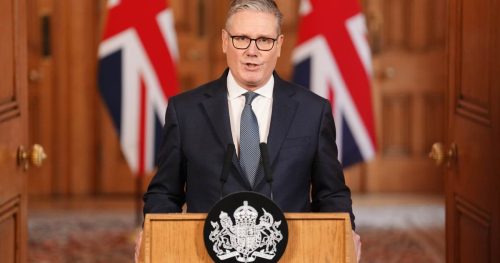
The United Kingdom recently refused entry to two well-known progressive commentators who had lined up appearances at SXSW London and the Oxford Union, saying their presence “may not be conducive to the public good.” British officials did not list crimes or convictions in their brief public notice, but the move followed pressure from groups and politicians concerned about remarks linked to antisemitism and inflammatory rhetoric. The decision landed squarely in the culture wars and set off a predictable chorus of outrage and defense online.
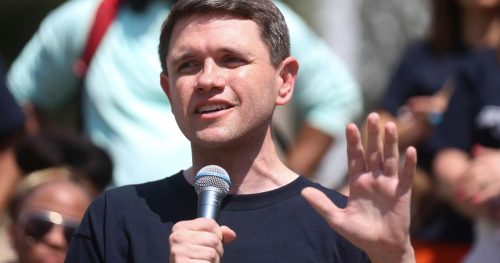
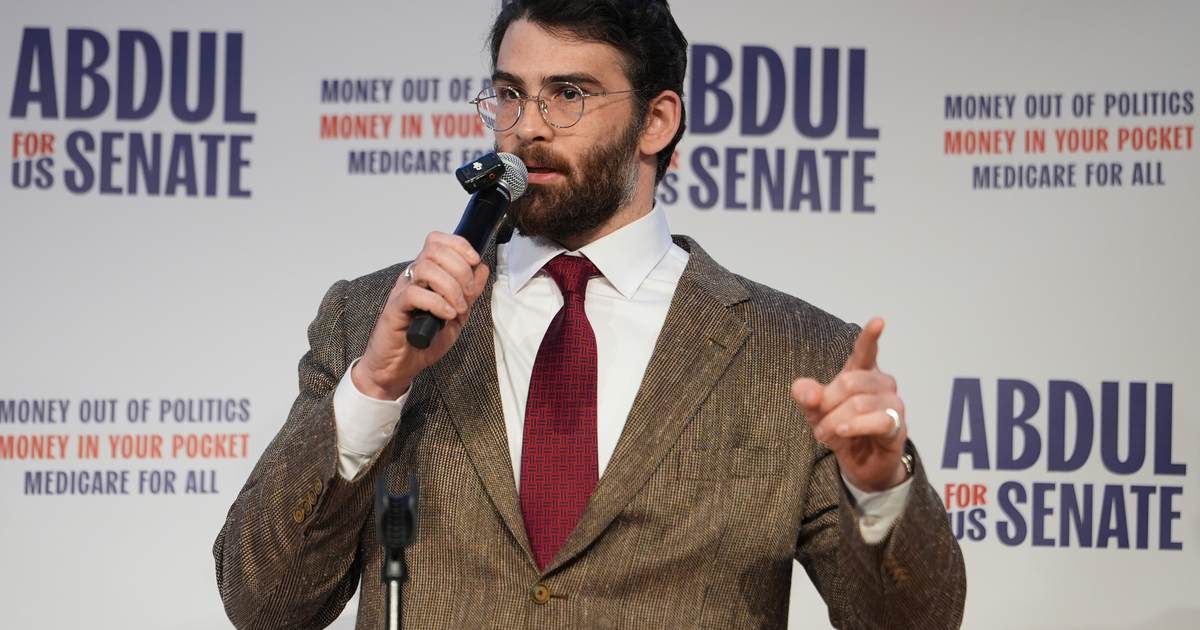
Hasan Piker and Cenk Uygur were the figures at the center of the decision, and both have been regular visitors to the U.K. in the past. Their teams have argued that criticism of Israel is what triggered the ban, while U.K. authorities relied on a public‑order rationale without mentioning the foreign policy angle. The background here matters: calls from advocacy groups and at least one Labour MP targeted Piker over remarks that many regarded as antisemitic, and that political pressure clearly fed into officials’ risk calculations.
On a livestream, Piker said, “I’ve been banned from the U.K… my visa has also been revoked… at the behest of Israel.” He also attacked Western support for what he called a “genocidal fascist foreign government.” Uygur took to X to declare, “I’ve been banned for criticizing Israel. Are we free anymore? This is oppression of Western citizens by our own governments on behalf of a different country!” Those exact words have been repeated across social feeds as evidence of perceived overreach by the state and outside influence on domestic policy.
Responses split along predictable lines. Many on the left blasted the ban as a free‑speech violation and compared it to authoritarian censorship, with one commentator posting, “Censoring critical voices is pretty usual in dictatorships.” Meanwhile, others celebrated the ban and argued the two hosts had earned deplatforming because of what they see as chronic, toxic rhetoric. One supporter wrote, “The world is finally waking up to their nonstop toxic Islamist-leftist bs. Ban or no ban, those two haters deserve no platform.”
The clash exposes a broader contradiction in how free speech is defended and enforced by today’s activist left. Both Piker and Uygur have publicly backed deplatforming and content moderation when it targets people on the right, arguing that certain speech should not enjoy constitutional protection or platform access. That record makes their present complaints about being denied a stage look less like principled defense of liberty and more like fallout from a politics that tolerates free speech only for allies.
Looking back, Piker has argued against treating some forms of so‑called hate speech as protected under the First Amendment and has supported platform bans for users he considers harmful. Uygur has similarly backed measures to keep right‑wing figures off large platforms, naming names and applauding deplatforming campaigns in past discussions. Those positions are relevant because they illuminate why critics say the present outcome is not purely about censorship but about consistency: if you endorse removing opponents’ platforms, you should expect similar treatment at times.
https://x.com/cenkuygur/status/2061205610327408773?ref_src=twsrc%5Etfw
British officials face real pressures on public gatherings and campus events, and governments are within their rights to weigh disruption risks when issuing visas. That does not make every ban wise, but it does put the decision in the context of public safety and political consequence rather than straightforward ideological suppression. From a conservative perspective, this episode underscores the importance of applying free‑speech principles evenly rather than rescuing favored activists from the consequences of their own rhetoric.
Online reaction will keep rolling, but the practical effect is simple: two scheduled appearances will not happen, and the controversy will feed both grievance narratives and calls for firmer standards on speech. For those who insist on universal free‑speech protections, the lesson is to stand for them even when the speakers in question are allies or hold unpopular views. For those who support selective deplatforming, the episode provides a cautionary example of how the tools they endorse can be turned back on them.
The debate will continue, and the British ruling will be parsed by lawyers, activists, and politicians on all sides. What this moment makes clear is that modern free‑speech battles are less about abstract principles and more about who gets to define harm and who gets to decide which viewpoints are acceptable in public forums. That dynamic is why this one decision has attracted so much attention and why it will keep reverberating in public discourse for a long time.
Observers on both sides should acknowledge that platforms, governments, and civic institutions now routinely face hard calls about speech and safety, and those calls often produce outcomes that look inconsistent. In the end, controversy like this reveals not only policy differences but deeper disagreements about whether free speech is a universal right or a tool to be wielded depending on political goals.