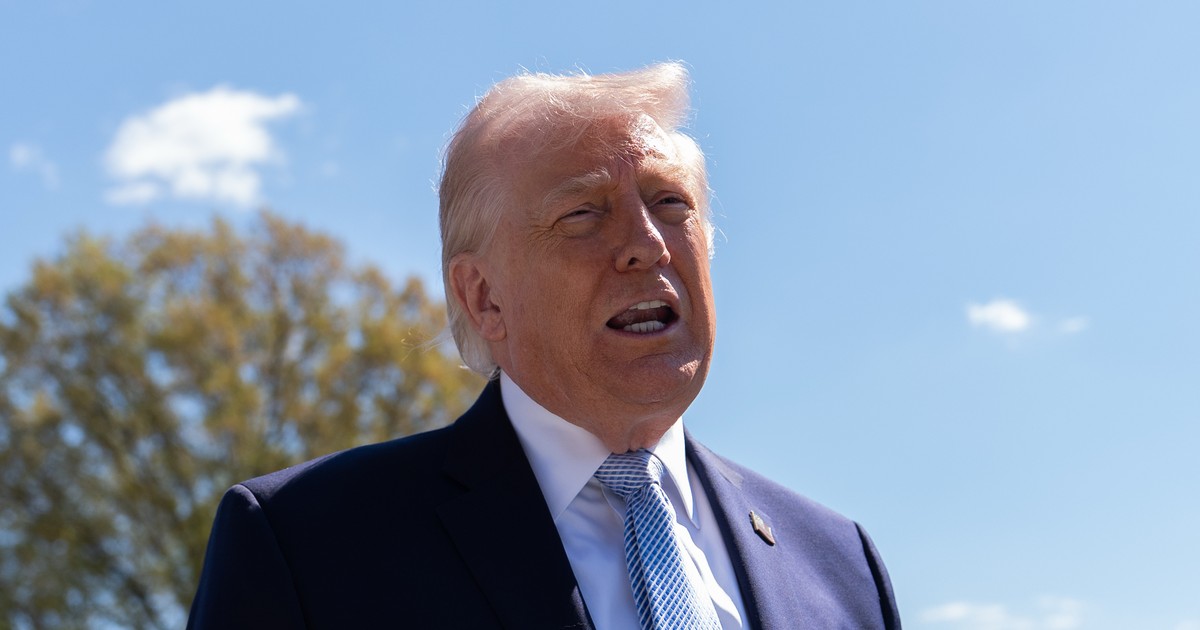
President Trump publicly refuted reports that talks between the U.S. and Iran had stopped, calling them false and pushing back against media coverage that amplified Tehran’s claims. He used Truth Social and other comments to insist conversations had been ongoing and to pressure Iran toward a deal on its nuclear ambitions. The dispute over whether diplomacy continues comes as Iran’s actions in the Strait of Hormuz raise energy and security concerns. The back-and-forth highlights how media narratives can shape public perception before facts are fully verified.
President Donald Trump took to Truth Social to blast recent coverage suggesting Iran cut off communication with the U.S., calling those reports inaccurate. He wrote, “Fake News Reports that the Islamic Republic of Iran, and the U.S.A., stopped speaking a few days ago are false and erroneous.” That blunt denial landed as many outlets had already treated Tehran’s statements as definitive.
The conversations between us have been going on continuously, including four days ago, three days ago, two days ago, one day ago, and today. Where they lead, one never knows, but as I told Iran, “It’s time, one way or another, for you to make a Deal. You’ve been doing this for 47 years, and it cannot be allowed to go on any longer!”
Those comments followed Iranian state media reports claiming Tehran paused talks to protest Israel’s military actions against Hezbollah in Lebanon. Trump has made clear he thinks some of those reports were aimed at creating a media story rather than reflecting a confirmed diplomatic cutoff. He also told CNBC, “I don’t care if they’re over, honestly. I really don’t care. I couldn’t care less.”
Trump then stressed that he had not received direct confirmation from Iranian officials about any suspension, and he suggested certain claims exist mainly to feed news cycles. He also indicated optimism that, with the right pressure, Washington and Tehran could strike an agreement that reopens the Strait of Hormuz and curbs Iran’s nuclear ambitions. That framing puts leverage and accountability at the center of any possible deal.
https://x.com/etribune/status/2061873310888280319
On substance, Trump has consistently demanded Iran give up its stockpile of highly enriched uranium, material that can be used to manufacture nuclear weapons. Iran has pushed back against full concessions but has signaled willingness to scale back parts of its program in exchange for relief from sanctions and other incentives. Those negotiations are complicated, but the uranium issue remains the clearest sticking point.
Meanwhile, Americans are feeling the economic fallout as energy costs climb amid tensions stemming from Iran’s blockade of the Strait of Hormuz, which began in the wake of wider hostilities. That choke point is a strategic artery for global oil shipments, and disruptions there ripple into pump prices and supply chains across the country. Policymakers need to weigh both national security and pocketbook impacts in any move they make.
The media rush to declare diplomatic talks dead exposed a larger problem: outlets often amplify hostile state messaging without adequate verification. When leaders calmly assert ongoing communication and provide specifics, that should reset the narrative instead of being drowned out by sensational claims. A steady, evidence-based approach to reporting would serve the public interest far better.
Looking ahead, the shape of any future engagement with Iran will come down to leverage and clarity on concessions, not wishful thinking. If the U.S. holds firm on nuclear rollback and ties economic relief to measurable steps, there’s a path to reopen channels while protecting regional allies and global energy flows. The situation will continue to evolve, and the details of negotiations will determine whether tensions ease or escalate further.