The Knicks finally won a title, a White House visit is on the table, and a black radio host offered a blunt take about teams saying yes or no when the invitation comes up.
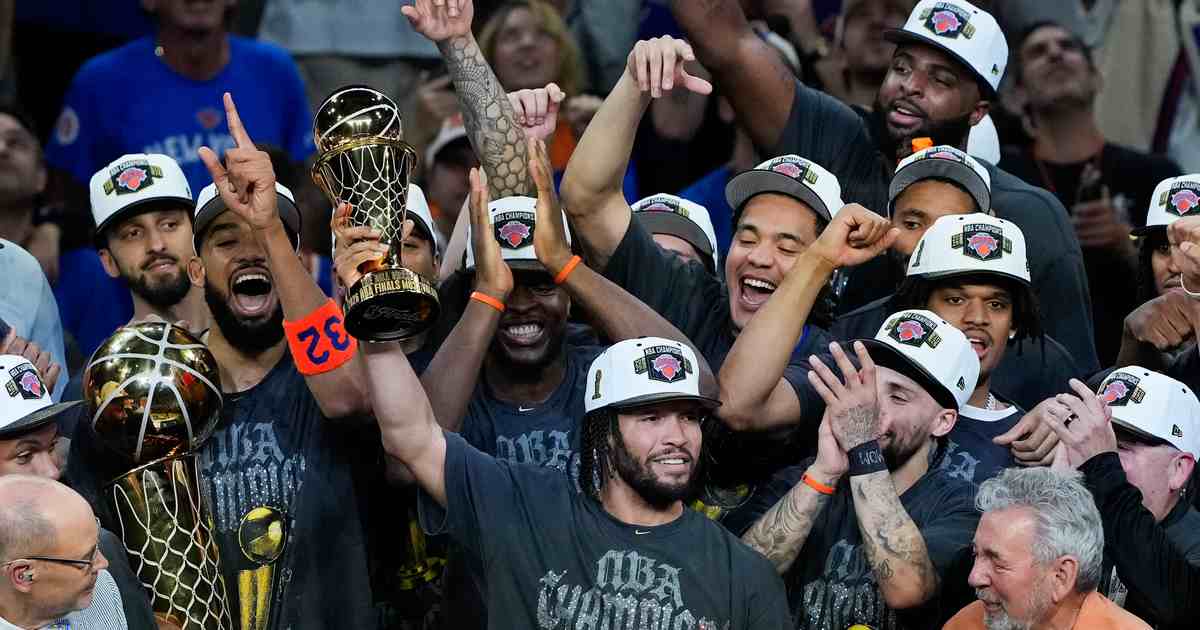
The New York Knicks ended a 53-year drought by winning the NBA championship, a moment plenty of fans have waited a lifetime for. Owner James Dolan, who has ties to Donald Trump, has accepted the customary White House invitation on the team’s behalf. That acceptance has reignited an old argument about whether champions should publicly visit the president.
There’s a simple tradition at work: when a major team wins, an offer to visit the White House follows. Players and teams can accept or decline, and both choices are legitimate, but the optics and the politics have gotten louder in recent years. That’s why Charlamagne tha God weighed in with a clear ask: if teams decline, explain why.
CHARLAMAGNE: “Listen, I think that there are all grown adults and they can do what it is that they want to do…”
https://x.com/overton_news/status/2069097745172840758
“But if they’re not going, I would like for them to tell us the reason why.”
“Like, you know, we know that no NBA team has won a championship and has visited the White House thus far, but you should let folks know if it’s a political reason you don’t want to go, let them know the reason.”
“I think sometimes we normalize what’s going on in the White House because we don’t speak out about it.”
“Like don’t tell me it’s just a scheduling conflict, right? Give me the actual reason why it is you don’t want to be there.”
Charlamagne’s point is straightforward and worth considering: adults should own their choices and be honest about them. In a moment when sports and politics mix more than ever, transparency matters because fans notice mixed signals. If a team makes a political statement by skipping the visit, say so rather than hiding behind a vague excuse.
The Republican perspective here is practical: going to the White House is a recognition of achievement, not an automatic endorsement of every policy the administration pursues. Fans who want to celebrate a championship should get their due without turning a trophy visit into a permanent culture war. That’s why many on the right see the fuss over a White House stop as performative theater driven by the left’s media narrative.
At the same time, athletes have the right to express political views and decline invitations on conscience grounds. The debate is not about forcing anyone to attend, it’s about being upfront about the reason. If the explanation is politics, fine—own it. If it’s really scheduling, provide a clear timeline or an alternative meeting. Simple honesty would end much of the speculation and the partisan sniping.
There’s also the practical angle: owners, coaches, and front offices often decide what’s best for their teams and brands. James Dolan accepted the invite, and that sets the stage for players to make personal choices. In those moments, a team’s public relations approach should balance respect for individual views with respect for the fans who celebrated the championship.
Critics on the left, who frequently weaponize cultural moments, may try to turn a Knicks stop at the White House into a referendum on loyalty. That’s exactly what Charlamagne pushed back on when he said players are grown men who can do what they want and should explain themselves if they decline. The expectation of clear reasons cuts through the performative outrage and asks for accountability from everyone.
Sunny Hostin and others on cable reacted strongly to Charlamagne’s assessment, but his basic request—tell the truth about why you won’t go—remains sensible. Fans want champions to celebrate without being caught in a political ambush, and players deserve respect whether they choose to attend or not. Public honesty would at least move the conversation from innuendo to a straightforward choice.
This moment with the Knicks will be a test of whether teams can separate celebration from political theater, or whether contentious debates will continue to overshadow genuine sporting achievement. The best outcome is clarity: teams and players say what they mean and fans get to decide how to respond. That kind of directness is what most people expect from public figures, especially in high-profile, national moments.