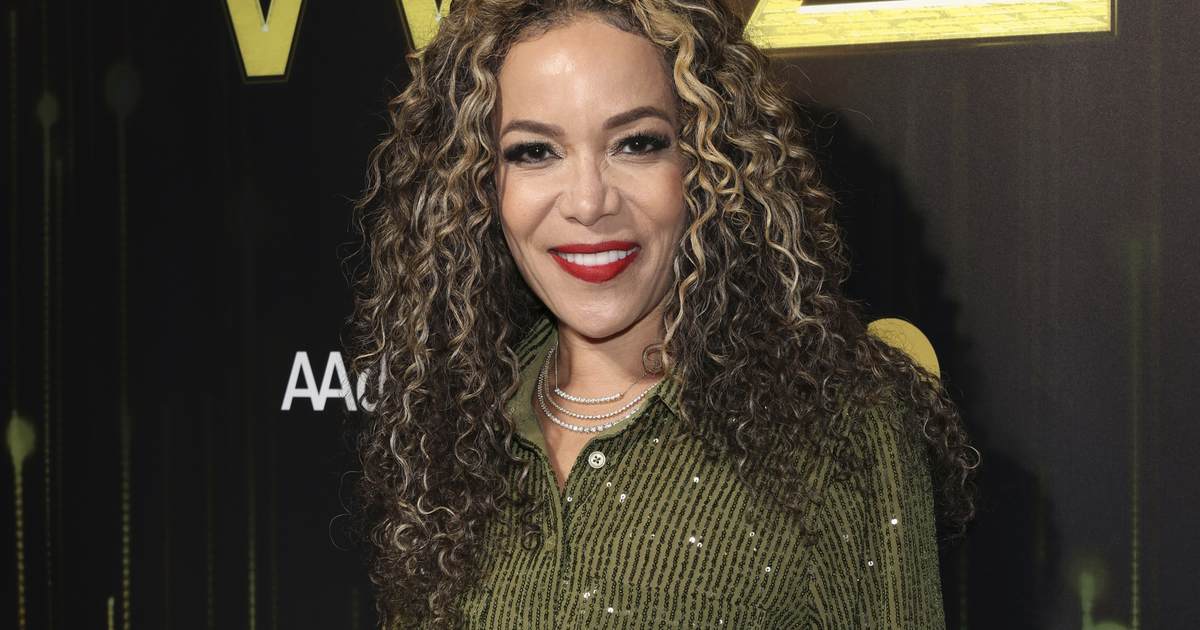
Jeff Metcalf publicly rebuked The View co-host Sunny Hostin after she referenced his son’s death, arguing the show and the Anthony family mishandled sentencing and used the tragedy for attention.
Jeff Metcalf went on record this week with sharp reproach for how certain public figures treated the sentencing of the man convicted in his son’s killing. He told Will Cain he was fed up with commentary that, in his view, skipped facts and traded on pain for clicks. The father’s anger centers on both media figures and the Anthony family’s absence at key courtroom moments.
Metcalf said Karmelo Anthony’s family was not present when the verdict landed and that they showed no visible remorse during sentencing. His son, Austin, was stabbed to death at a track meet in Frisco, Texas, in 2025, and the court sentenced Anthony to 35 years for murder. That reality drives Metcalf’s insistence that the coverage and commentary should have shown more respect for the victims.
https://x.com/Rightanglenews/status/2069439665396940963
“If that woman said that, she has no idea about the facts…she wants to spew her public opinion on a platform that reaches millions of people every day. Do I have that platform? No, but today I have a little platform to say what I’d like. She is completely wrong!”
“And if they won’t take me and call me and ask me to be able to view with them, I would gladly — fly me up there!”
“They’re just like anybody else. They don’t know me, they don’t know Hunter, Austin, they don’t know Karmelo.”
“They’re looking for their 15 minutes of fame or their click bait or their clicks. They’re looking to monetize the death of my son. I really wish they wouldn’t speak about it at all.”
Metcalf told Cain he wanted a chance to meet and speak with the Anthony family directly, to be invited into a conversation rather than have his son’s death used as a talking point. He repeatedly framed the media’s remarks as shallow and harmful to the people actually suffering. That frustration landed hard when he accused hosts of monetizing grief rather than seeking truth or closure.
On Cain’s show, the exchange about whether anyone from the Anthony family had reached out was blunt and short. Metcalf answered “No” when asked if he had spoken with them, and the follow-up about an apology drew the same terse reality: no apology, no sign of remorse. Those gaps shape his view that justice and accountability remain incomplete.
Will Cain: “Have you ever spoken to the Anthonys?”
Jeff Metcalf: “No.”
Cain: “No apology, no remorse?”
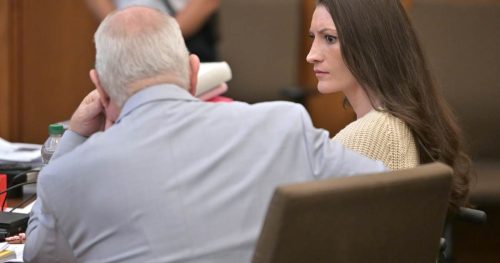
Metcalf said the Anthony family wasn’t in court for the sentencing or for victim impact statements, and that some advocates left the room as soon as the verdict was read. He described the scene as abandoning “that poor child up there by himself” and accused others in the courtroom of turning in their badges and walking out. Those observations feed his belief that the system and surrounding attention failed Austin.
He also pushed back on the idea the sentence given reflected the gravity of the crime. Metcalf said Anthony “got off easy” and argued the outcome should have been harsher, saying the convicted man should face either life behind bars or the death penalty. That calls into the broader debate about punishment, public safety, and how courts weigh violent crimes.
The Metcalf family’s pain is the throughline of his appearance: he repeatedly asked for dignity for victims and criticized commentators who use tragedies for ideological points. Whoopi Goldberg reportedly intervened at one point to temper the segment on The View, underscoring how fraught the broadcast became. For Metcalf, the core issue isn’t just one host’s comments; it’s how media narratives can sideline injured families.
Public reaction is likely to split between viewers who see Metcalf’s words as a raw, necessary rebuke and those who defend on-air debate that touches on social issues. But for Jeff Metcalf, the debate needs to start with the facts of his son’s death and the courtroom behavior he witnessed. His message is simple and direct: victims deserve truth, not spectacle, and families should not be a prop for ratings.
The case itself and the surrounding coverage will continue to stir strong feelings as more people weigh in from the stands. Metcalf’s voice, speaking as a father who lost his son, has become a central and combustible element in that national conversation. Media outlets and commentators now face pressure to reckon with whether their coverage honors those involved or exploits them for attention.