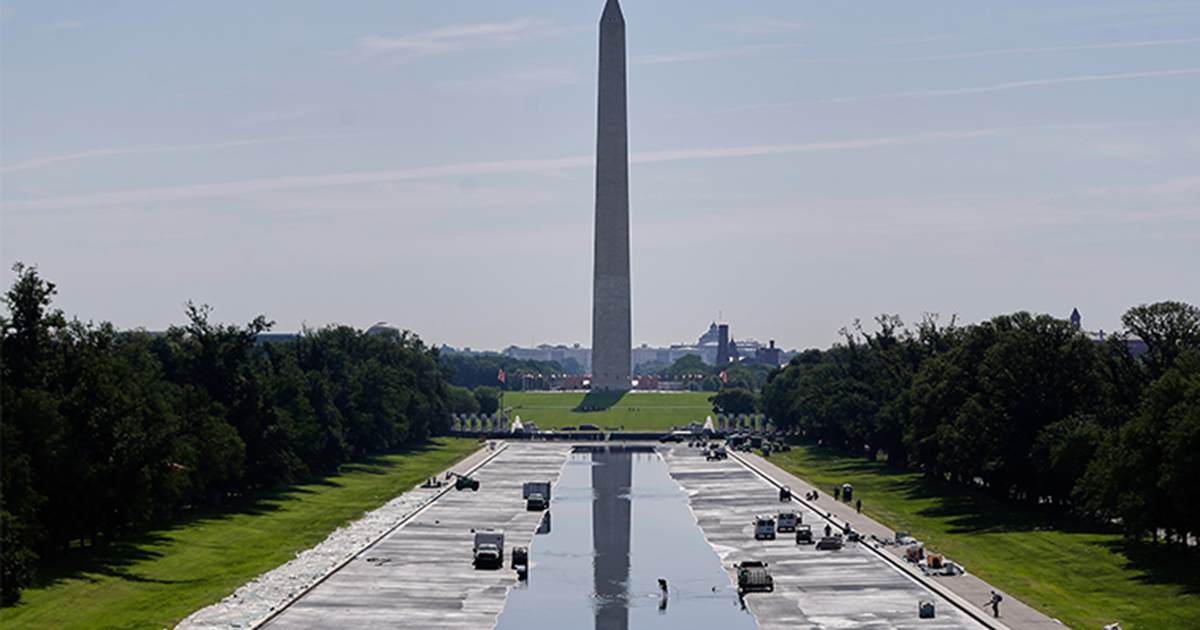
This piece examines the odd media reaction to algae in the Capitol reflecting pool and a commentator’s dramatic framing of the cleanup.
The reflecting pool in the capital has a simple, practical problem: algae growth and some vandalism have left the site in need of a drain and cleanup. The fix is routine maintenance, but a cable news segment turned it into a cultural argument about the soul of the nation. That overeager framing has prompted eye rolls from people who expect basic common sense to win out over theatrical takes.
The pool is a national monument with historical, civic, and public-health considerations. When algae takes hold, crews often need to lower water levels to remove plant material and repair surfaces, especially after vandalism. This is maintenance, not martyrdom; the job will be done by professionals who know how to handle biological growth carefully and safely.
https://x.com/WhiteHouse/status/2069180749605929016
Contributor Cornell Belcher said that the fact that kids can’t splash in the pool shows that America is heading toward authoritarianism or something like that. That exact turn of phrase was presented on air as a sign of a larger decline, as if a drained and repaired reflecting pool were a canary in the freedom mine. The argument inflated a practical action into an ideological enemy of childhood and liberty.
Claiming that a temporary cleanup equals the loss of basic freedoms is a stretch even for partisan cable segments. You can criticize policy and cultural trends without turning every maintenance decision into an existential crisis. People who live in big cities and visit public monuments understand the difference between a closed pool for repairs and a crackdown on civil liberties.
There are sensible public-safety reasons that keep children from splashing in certain municipal or federal water features, often tied to water-treatment standards and the risk of pathogens. The history of dangerous amoebas in untreated water is one reason public managers err on the side of caution. This is not a plot; it is a public-health calculation.
The media moment around this reflects a larger pattern: small incidents get blown up because they fit a preferred narrative of imminent cultural collapse. The more dramatic the claim, the easier it is to score outrage points on social media and win applause in echo chambers. That kind of incentive structure rewards sensationalism over the sober explanation that bureaucracy and biology, not a tyrant, often drive decisions.
Show hosts and contributors can and should call attention to genuine abuses, but turning basic maintenance into a symptom of authoritarianism devalues real examples of power being misused. Conservative viewers who want to hold institutions accountable should pick their fights when there are clear policy choices at stake. This reflecting-pool kerfuffle isn’t one of those fights.
Even within left-leaning outlets that enjoy theatrical commentary, there is a responsibility to avoid misleading equivalence between safety protocols and political oppression. Audiences deserve clarity: when public servants close an attraction to repair damage and control biological growth, that is a health-and-safety move, not an ideological move to restrict play. The distinction matters for honest civic debate.
The segment did succeed in revealing how polarized coverage can turn routine city work into a morality play. Some viewers will accept the dramatization and move on, but others will notice the gap between the claim and the facts. The reflecting pool will be cleaned and restored, and the real story will be the people who do the job, not the hot takes that tried to turn them into villains.
Editor’s Note: Do you enjoy Townhall’s conservative reporting that takes on the radical left and woke media? Support our work so that we can continue to bring you the truth.
Join Townhall VIP and use promo code FIGHT to receive 60% off your membership.