South Korea’s World Cup exit has become a full-blown national controversy, with the president ordering a formal probe and the head coach stepping down amid public anger and questions about how the team was run.
South Korea’s early elimination from the World Cup has created a sharp and public backlash at home, with the manager resigning and facing jeers on his return. Reports say there was a police presence at the airport as tensions ran high, and the episode has become widely discussed across the country. Officials and fans alike are demanding answers about what went wrong on the pitch and behind the scenes.
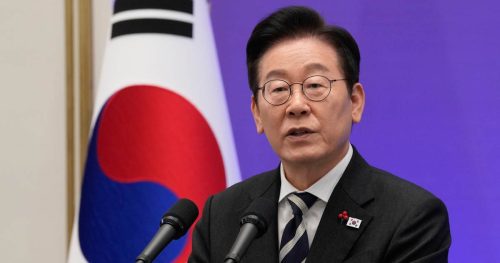
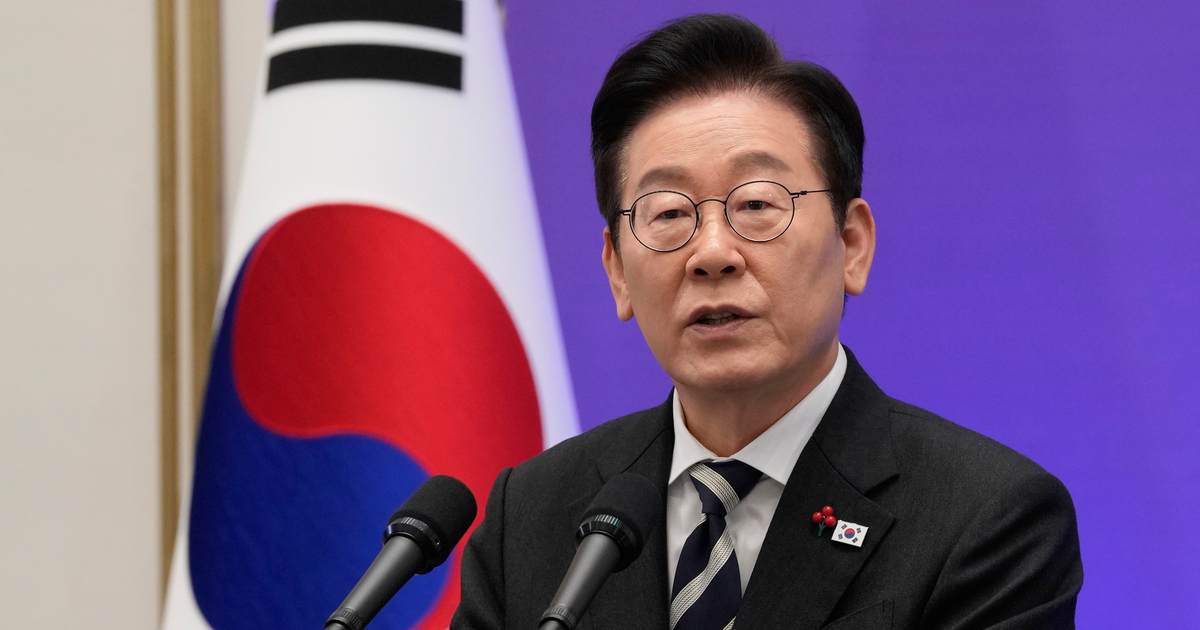
President Lee Jae Myung has responded by asking the relevant ministry to investigate, citing the large amount of taxpayer money involved in the national team’s campaign. He expressed confusion and frustration over the results and suggested that selection decisions may not have prioritized competence. That government-level attention turns a sporting failure into a broader administrative question.
https://x.com/barstoolsports/status/2071752480946270243
South Korea president Lee Jae Myung has called for the country’s sports ministry to investigate the national team’s World Cup group-stage exit, with head coach Hong Myung-bo saying he will resign.
President Lee said he was “utterly baffled” by the results and appeared to criticise the South Korean Football Association’s (KFA) appointment of head coach Hong, as he alleged that “competence” had not been prioritised when selecting a leader.
On Sunday, Hong said he was “stepping down” as coach and added: “It was not an easy decision for me to take this role, but once I took it, I thought about nothing else except being responsible until the very last moment.”
A former defender who played 136 games for South Korea as a player, Hong had been in the role since 2024 and said he took “all the responsibility” for the unsuccessful World Cup campaign.
[…]
In a lengthy statement posted on social media, the president cited the “significant” taxpayer funds used for the team’s participation, apologised for the “profound disappointment” caused to the public and called for the Ministry of Culture, Sports and Tourism to investigate what went wrong so the government can reform their sports administration.
The head coach, Hong Myung-bo, a respected former player, acknowledged responsibility and confirmed his resignation in the wake of the team’s poor showing. His decision and his statement will likely be central to any review, since both management choices and preparation were singled out by critics. For many supporters, the resignation is a necessary first step toward accountability.
Fans and pundits have focused on selection choices, tactical plans, and the KFA’s oversight, while lawmakers and officials are now weighing structural reforms. The president’s call to the Ministry of Culture, Sports and Tourism signals that this is not just about one match or one tournament. It brings the issue into the realm of public administration, where taxpayer funding and governance standards matter.
There are also broader reputational concerns for South Korean football, which has invested heavily in development and international competition. A high-profile early exit raises questions about whether current systems deliver sustainable results or reward short-term fixes. That tension between investment and performance is what the planned probe will be expected to address.
Observers note that national sports teams carry symbolic weight beyond wins and losses; they can influence public mood and political headlines. When a government points to taxpayer money and demands an explanation, the stakes shift from sport to civic trust. The coming investigation will need to show evidence, timelines, and clear criteria if it hopes to restore confidence.
Whatever the findings, the immediate reality is a shaken fan base and a football association under pressure to explain its decisions. Reforms could range from personnel changes to governance restructuring, but those paths will require political will and public patience. The story is likely to keep unfolding as officials gather facts and decide how to respond.
For now, the resignation and the presidential directive mark the beginning of a formal reckoning that aims to answer uncomfortable questions and, ideally, prevent a repeat. The focus will be on transparency, fiscal responsibility, and whether the systems in place actually support high-level competitive success.