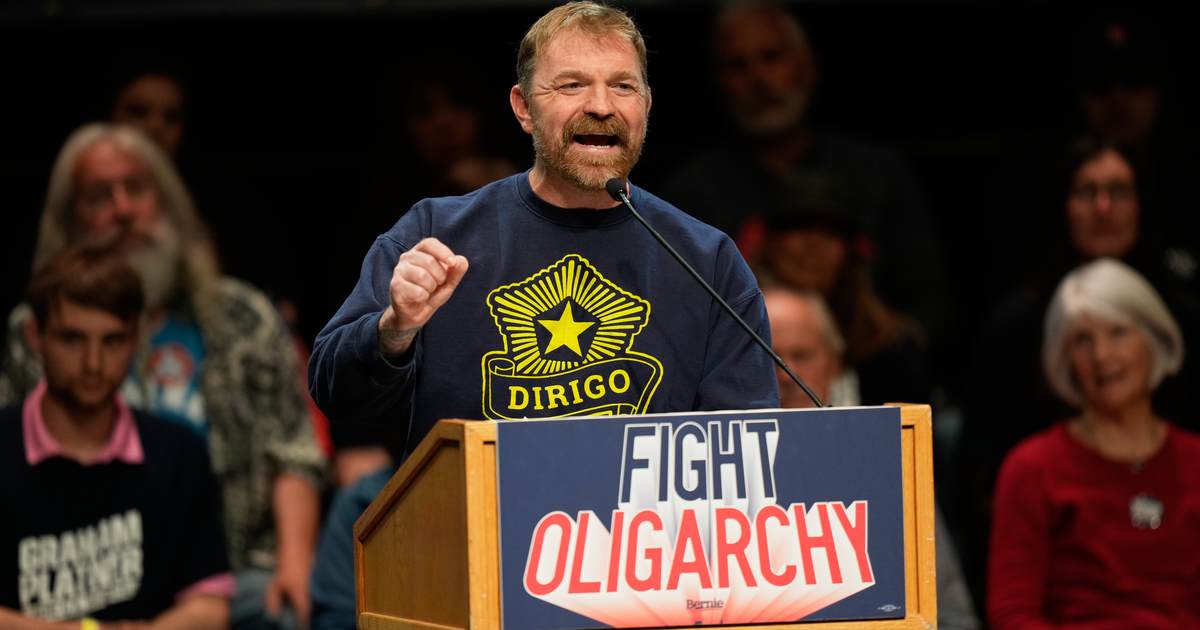
Graham Platner’s campaign is entangled in fresh allegations and a woman who first went public with claims against him says legacy reporters downplayed her evidence and avoided people who could corroborate her story.
Lyndsey Fifield, one of the earliest women to speak about her experience with Graham Platner, has pushed back hard after new accusations surfaced. She says reporters treated her account like a checkbox instead of investigating it fully. That gap in reporting matters now that more women are coming forward.
Fifield says she was interviewed by The New York Times but watched the paper soften the force of her allegations. She wrote that she understands why Democrats “didn’t take our stories seriously when the Times reported them in June but are taking them seriously now” because “It was by design.” Her point is simple: the framing shaped how the story landed.
She also called out a specific line that spread most widely: “The line most shared from the piece was the claim that the Times ‘could not corroborate’ my story despite talking to two of my friends” even though she “gave them the contact information for five friends.” Fifield insists the distinction matters because which friends were contacted changed the outcome of verification.
According to Fifield, reporters only reached the friends who did not know about the alleged abusive behavior, and they skipped the ones who did. “I also gave them the names of all my former roommates who remembered him stalking our row house (which was about 5 houses down from his) and waiting for me to return,” she continued. “I gave them screenshots of messages between these roommates and I discussing it.”
She says she provided even more contexts: the names of other men she dated who might have seen him following them around the hill or showing up on her stoop after dates to confront them. That detail, she argues, would have helped paint a pattern rather than isolate a single complaint. Her frustration is that those leads were reportedly ignored or deprioritized.
I told them that during pre-marital counseling I had spoken to my ex-fiance about the abuse because I had to explain to him why I reacted with such terror any time he lost his temper. They said oh NO we don’t need to bother HIM (or my priest). Besides, I had written about it in my diary in detail, they reassured.
As the weeks dragged on I stopped trying to give them evidence because the amount I had already given them seemed to overwhelm them and I thought it meant it meant they clearly had more than enough to verify my every claim.
My friends might not have known the details of the abuse, but they affirmed that yes, I had told them that he was abusive—long before he ran for Senate.
Besides, they assured, my part in their reporting would be small. I thought my details would only serve to affirm Jenny and the other anonymous woman.
Jenny and I – having never met or spoken – both shared with these reporters terrifyingly similar details of intimate partner violence, coercive control, and cycles of abuse/love bombing. The third unnamed woman in the story did as well.
But tell me again how they “could not corroborate.”
The new wave of allegations centers on Jenny Racicot, who says she previously dated Platner and that he once arrived at her home drunk and sexually assaulted her. Platner has denied Racicot’s accusations and has denied the earlier accounts from other women as well. Still, the fresh reporting has forced some Democratic leaders to publicly question his candidacy.
Fifield’s criticism is both procedural and moral: she alleges reporters skipped obvious witnesses and let editorial choices flatten serious claims. That accusation feeds a larger conservative argument that elite media outlets protect preferred politicians by curating which details make the final story. The result, Fifield says, is real people being dismissed until pressure becomes undeniable.
Democrats have largely maintained support for Platner up to now, but the momentum shifted when the new allegations became public and drew public calls for him to step aside. The political calculus in Maine has changed quickly because voters and leaders alike are watching how institutions respond when multiple accounts overlap. For Fifield, the issue is accountability in reporting as much as it is about one candidate’s behavior.
Her public rebuttal to the initial coverage is blunt and pointed: when evidence and witness names were available, she says they were not pursued in ways she expected. That feeling of being sidelined is why she and others say they came forward again, pushing the story back into the spotlight and forcing a renewed look at both the candidate and the newsroom choices that covered him.
https://x.com/lyndseyfifield/status/2074458074983596378?ref_src=twsrc%5Etfw
Whatever the legal outcomes or campaign consequences, the episode has exposed tensions between journalists, sources, and political allies who decide which allegations get amplified. Fifield’s complaint is aimed squarely at those newsroom decisions, asserting they shaped partisan reactions instead of letting the facts lead. The controversy is likely to keep driving questions about how the press vets claims and how parties handle accusations against their own candidates.