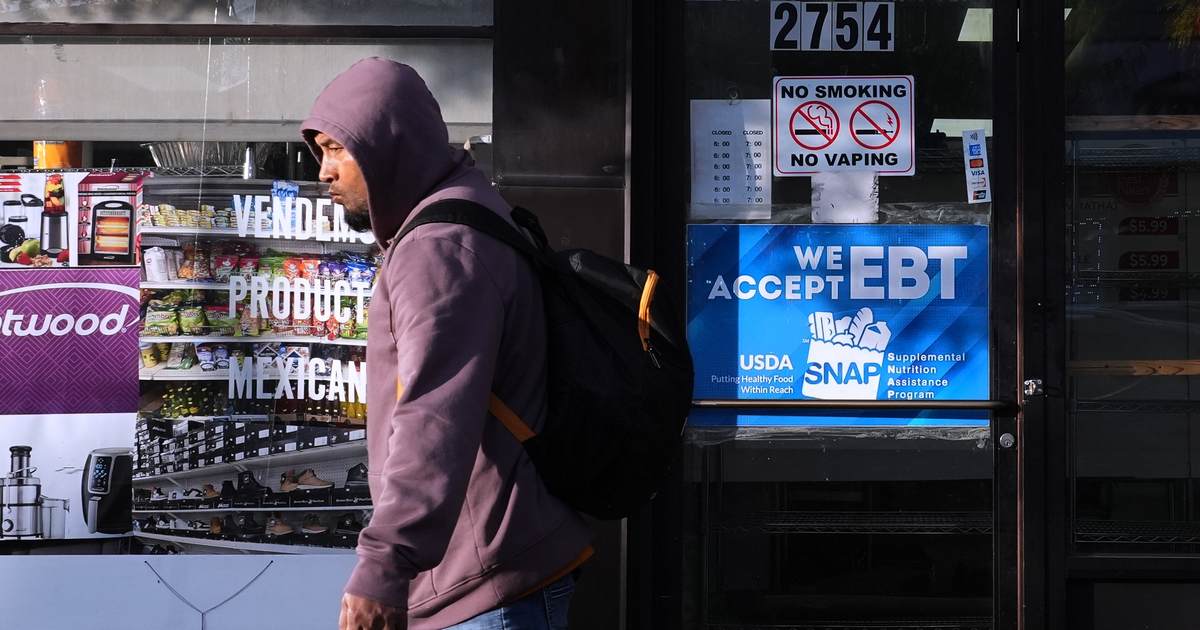
USDA and federal partners executed a major enforcement action in Los Angeles, issuing charge letters to 33 SNAP-authorized retailers after undercover operations and search warrants uncovered trafficking and sales of prohibited items.
The U.S. Department of Agriculture’s Food and Nutrition Administration announced a coordinated crackdown after operations in Los Angeles revealed widespread retailer violations tied to the Supplemental Nutrition Assistance Program. This operation reflects the Trump Administration’s continued commitment to safeguarding taxpayer dollars and ensuring food assistance benefits are available for the eligible Americans who rely on them. Federal agents, working with USDA teams, targeted locations where illegal transactions were suspected.
On Thursday, July 2, 2026, the USDA Office of Inspector General and Homeland Security Investigations executed search warrants at multiple Los Angeles-area SNAP retailer locations and followed up with formal charge letters to 33 retailers across the city. Those charge letters stem from violations that include trafficking, which is the illegal exchange of SNAP benefits for cash, and selling prohibited items to SNAP account holders. The enforcement move was the result of undercover compliance efforts and criminal investigations that identified clear examples of abuse.
- Six stores selling SNAP benefits in exchange for cash.
- 27 stores exchanging SNAP benefits for ineligible items including beer, hard seltzer, bottles of liquor, a vape device, and other prohibited products.
Retailers found to be in violation now face steep consequences under federal rules, which can include permanent disqualification from SNAP and substantial monetary fines. Criminal investigations can elevate these cases beyond administrative penalties to federal prosecutions, raising the prospect of prison time for those who orchestrated large-scale schemes. “The days of defrauding government benefit programs are over,” said Acting United States Attorney Bill Essayli. “We’re talking federal prison sentences, not state misdemeanor charges. You’ve been warned.”
“Fraud of any kind is a direct attack on American taxpayers and the vulnerable families who rely on SNAP to survive,” said FNA Acting Administrator Shiela Corley. “These actions reflect USDA’s uncompromising commitment to protecting SNAP by rooting out bad actors who seek to exploit the program for personal gain.”
FNA’s oversight program is extensive: the agency conducts tens of thousands of retailer evaluations and nearly 50,000 undercover compliance visits each year to protect program integrity. Those routine checks are part of a larger enforcement framework that relies on OIG criminal probes and HSI investigations to uncover organized trafficking and coordinated fraud networks. When these criminal cases are developed, they are referred to the Justice Department, which can pursue charges that reflect the full scope of the misconduct.
“Homeland Security Investigations remains committed to combatting fraud in all its form and to ensuring that taxpayer dollars are used to help our neighbors in need and not to line the pockets of greedy criminals,” said HSI Los Angeles Special Agent in Charge Eddy Wang. “Last week’s enforcement operation and criminal arrest of retailers demonstrated that HSI and our law enforcement partners will work tirelessly to bring accountability and deliver consequences to fraudsters everywhere.”
FNA, OIG and HSI say they remain united in a zero-tolerance approach to fraud, waste and abuse and in an ongoing dedication to preserving the integrity of SNAP. That stance reflects a broader push by federal authorities to make it harder for bad actors to abuse benefit programs and easier for eligible recipients to receive the help they need. The enforcement actions in Los Angeles are part of a series of operations across multiple states that have targeted similar schemes and tightened compliance oversight.
https://x.com/SecRollins/status/2074254569404572146
For retailers, the message from federal law enforcement is blunt: follow the rules or face the consequences. For policymakers and taxpayers who insist on accountable government programs, the operation is a concrete example of enforcement delivering results. Officials emphasize that protecting SNAP from exploitation preserves resources for families who truly qualify and deters future schemes that drain public funds.