This piece argues that Democrats repeatedly elevate men whose behavior and scandals undermine the party’s claims about masculinity, and it lists several high-profile examples to make that point.
As a parent and someone who respects traditional male roles, I reject the phrase ‘toxic masculinity’ as a blanket insult aimed at men who protect families, serve their communities, and provide for loved ones. That term often gets used to shame ordinary behavior and paint all men with the same brush, which is unfair and unhelpful.
The Graham Platner fiasco in Maine is presented here as a clear example of how the party elevates the wrong kinds of men. Platner’s reported social media history, allegations of abuse, and a Nazi tattoo on his chest made him a bizarre poster child for the party’s judgment.
Look at who else Democrats have elevated as leaders over the years and the pattern becomes obvious.
Former Second Gentleman Doug Emhoff is named for his personal scandals, including that he “not only impregnated his children’s nanny, but there were allegations he urged her to have an abortion and was accused of striking a former girlfriend.” Those are the kinds of headlines that make voters question judgment.
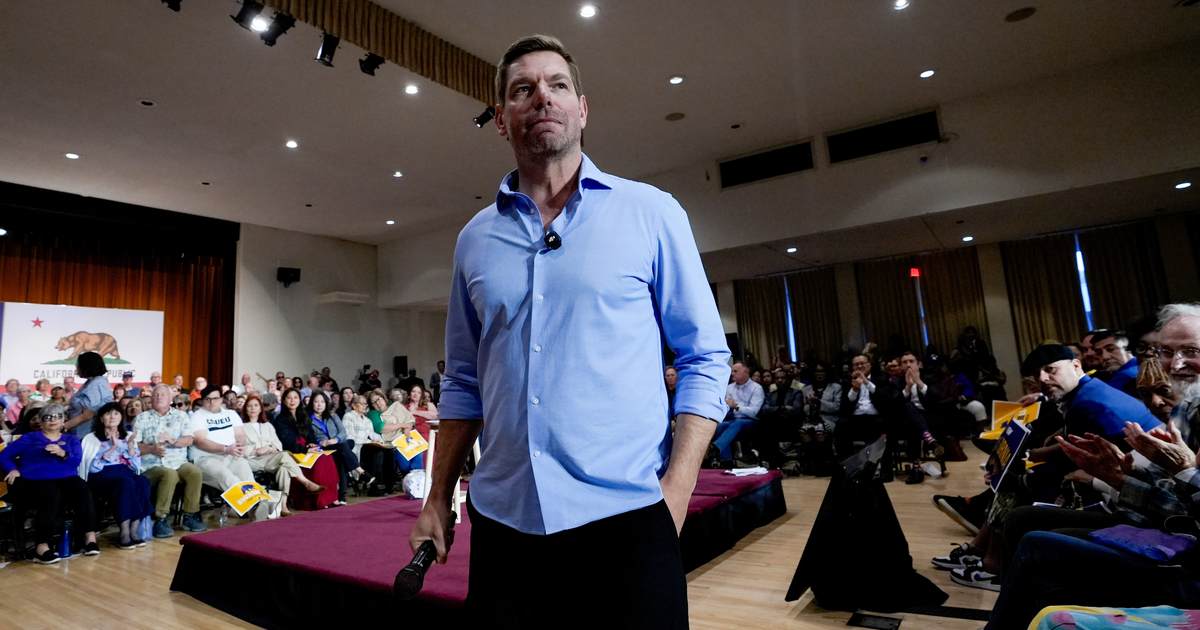
Eric Swalwell is another example; multiple women leveled allegations of assault against him during the push to make him Governor of California, and the controversy ended with his resignation and withdrawal from that race. When a party keeps promoting figures with recurring personal scandals, it damages its credibility on character issues.
https://x.com/EndWokeness/status/2074503388922782027
Minnesota Governor Tim Walz was touted to appeal to men on a national ticket, but his public flubs — from basic firearms handling to not understanding football or video games — made him look out of touch in a very costly way. His record on pardons drew criticism, and those missteps don’t inspire confidence among voters who value competence.
The situation in Virginia with Justin Fairfax is tragic and alarming; reports say he “murdered his estranged wife before turning the gun on himself” after behavior that became increasingly erratic. Red flag laws promoted by Fairfax and others did not prevent a devastating outcome for his family, and critics point to that as a policy and cultural failure.
On policy and culture, James Talarico, the Democratic U.S. Senate candidate in Texas, is described as supporting abortion on demand and the radical trans agenda, including the mutilation of children. The piece frames Talarico as profoundly out of step with traditional Texas values, noting his opposition to Christianity, fossil fuels, and eating meat.
The coverage of the trans movement highlights a series of disturbing incidents where men identifying as women allegedly harmed women and girls or called for violence. The article quotes a Wisconsin figure described as a ‘trans woman’ who urged followers to commit ”trans jihad’ and ‘kill your local Republican’, and it cites cases where convicted offenders or violent actors used gender identity as part of their narratives.
Specific cases cited include Richard Cox, Tremaine Carroll, and Robert (Robin) Westman, the last of whom is associated with a shooting that “killing two children” at a Catholic school. The piece also recalls the severe injuries suffered by volleyball player Payton McNabb after contact with a male opponent and how women who speak up are often labeled and threatened.
The argument continues that Democrats defended Platner despite a growing list of allegations of domestic abuse and rape, and that the party insisted he represented the working-class man. That defense strikes many as tone-deaf, given Platner was polling poorly among working-class voters and losing those voters to Susan Collins by 21 points.
The central charge is that Democrats live in bubbles of privilege and education, choosing candidates based on outlook instead of real-world touchstones. Campaign staffers, fundraisers, and consultants often interact with a narrow slice of society, and that detachment helps explain decisions that bewilder ordinary voters.
Outside those circles, the argument goes, masculinity looks nothing like the caricature painted by critics: it looks like sacrifice, service, and stability. When a party repeatedly elevates figures with troubling personal histories, it becomes easy for ordinary Americans to conclude that the party has a warped view of men and masculinity.