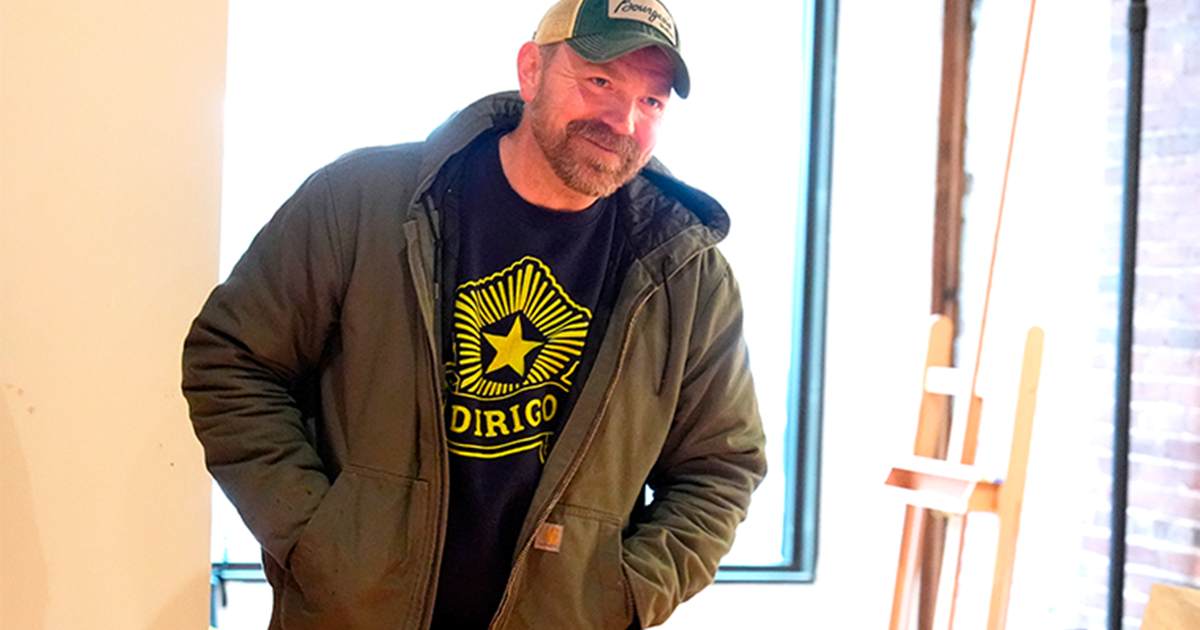
Graham Platner’s exit from the Maine Senate race has exposed a stark divide: some Democrats are defending his politics while downplaying serious allegations about his conduct, and that split says a lot about priorities and moral standards inside parts of the party.
Now that Graham Platner is out of the U.S. Senate race in Maine, the postmortem is clarifying how he advanced so far despite credible allegations of domestic abuse and rape. A handful of his defenders have laid out blunt reasons for backing him anyway, and those explanations reveal where some loyalties lie. This is not just about one candidate; it’s about the tradeoffs certain voters are willing to make.
Earlier, Sunny Hostin said she would have held her nose and voted for Platner because we’re in an ‘existential crisis,’ and she argued the Republican Party had set the bar ‘very low.’ Hostin has also called Platner a ‘liar, a racist, and an antisemite,’ which undercuts the idea that only Republicans lowered standards. That kind of public mental gymnastics is exactly why voters are frustrated.
Then there’s another supporter whose defense crosses a line most people thought was obvious: she puts geopolitical priorities ahead of allegations of sexual violence. In a video she prefaced her remarks with this line: “Before I wade into the Graham Platner discourse, I need you to know that I’m a victim of rape, which I will refer to as ‘R’ for the rest of this video for censorship purposes.” She follows that by telling her experience, and then she makes a shocking comparison.
She says, “And I understand that it was a lesser trauma than genocide,” she added. Those words land like a moral shrug: a survivor weighing her trauma against a political narrative and concluding that electoral alignment trumps personal harm. That conclusion demands a hard look, because it asks citizens to accept a candidate with serious accusations so long as he checks a foreign-policy box.
https://x.com/HenMazzig/status/2074932023429321064
Her argument continues in extended form: “And that is a perspective that seems to be widely lacking, even among normally pro-Palestine people in talking about this Graham Platner debacle. Among all of these calls for Graham Platner to resign, for R-ing one white American woman, I’m not hearing anyone make a simultaneous call that the dozens of sitting Democratic incumbent congress people who are up for election, who have in the past voted to send bombs and billions of dollars to the army that is serially R-ing their ‘prisoners’ in Palestine, and committing genocide against hundreds of thousands of people. Which includes, by the way, women and girls.” That whole passage substitutes geopolitical outrage for basic accountability.
She doubles down: “No one’s calling for them to step down,” she said. “When that is by any logical, moral, ethical framework, so much worse of a crime.” Those sentences are preserved word for word because they show the precise calculus here: politics first, consequences later. From a conservative perspective the takeaway is clear — allegiance to an issue should not erase or excuse violent behavior.
People watching this pattern see more than one isolated defense. There are voices that have also dismissed reports of atrocities committed by terrorists, and some even minimized the very real sexual violence committed on October 7. He also dismissed Hamas raping Israelis on October 7. There’s a pattern here, and it is worth calling out: when principle bends to political convenience, trust breaks down.
These debates have spawned a string of reactions and reposts that underline the same point. That’s precisely it: there is no genocidal intent being credibly proven in this context, but the rapes and attacks that did occur are documented and horrific. Yes, they are. They never stop. These refrains, clipped and shared, show how online defenses can sanitize or erase victims’ experiences depending on the storyteller’s agenda.
Questions keep circling back to identity and who gets moral consideration. So if Jenny Racicot had been another race, it would have been a bad thing to rape her? We need to understand the intersectionality matrix here. The larger point is uncomfortable but unavoidable: a sizable slice of the Democratic base seems willing to excuse or minimize a candidate’s alleged sexual violence when the candidate aligns with their foreign policy views.
That reality should matter to every voter, especially women who expect parties to protect and respect survivors. Defensive contortions that prioritize political alignment over accountability damage public trust and leave victims feeling second-class. For Republicans watching this unfold, it is a stark reminder that character still matters to many voters, and that moral clarity can be a decisive contrast at the ballot box.