President Trump says talks with Iran are continuing even as he insists the ceasefire is over, and officials stress the United States will not let Tehran get a nuclear weapon.
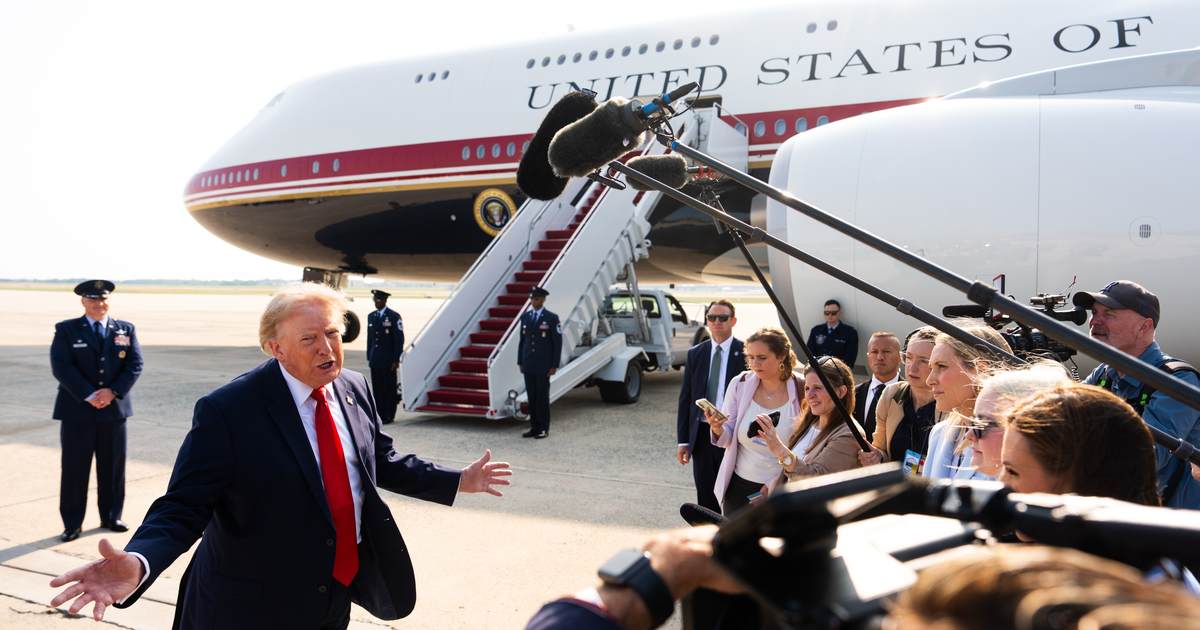
President Trump confirmed the U.S. is still communicating with Iran but made the limits crystal clear. “The Islamic Republic of Iran has asked us to continue ‘talks,’” he wrote on Truth Social, and he spelled out that diplomacy will not come at the cost of American resolve. “We have agreed to do so, but the United States has stated to them, in no uncertain terms, that the Cease Fire is OVER! Thank you for your attention to this matter,”
At the NATO summit in Turkey the president signaled that the pause in hostilities is effectively over after repeated attacks on commercial shipping in the Strait of Hormuz. He even used blunt language to describe the Iranian negotiating team, calling them “scum,” which underscored how far trust has eroded. That tone tracks with a policy of toughness first, negotiations second.
Diplomats point out that a memorandum of understanding was signed last month with the goal of reaching a longer-term deal, and the U.S. has been clear about its endgame. The agreement was framed as a performance-based effort intended to ensure Iran cannot obtain a nuclear weapon, and Washington says it expects Tehran to meet measurable commitments. Even so, strikes on maritime traffic have tested how far the arrangement can stretch.
Reports have noted that so-called technical conversations are continuing even amid the recent flare-ups, and U.S. officials describe those talks as narrowly focused on practical steps. The State Department and other agencies are apparently keeping channels open to manage risks and verify compliance where possible. Observers see the dual track—pressure plus limited engagement—as the current playbook for dealing with Tehran
U.S. officials publicly echoed the president’s blunt assessment, stressing the line between diplomacy and tolerating aggression. “President Trump made his feelings very clear yesterday in no uncertain terms. Iran’s attacks on these innocent vessels are acts of terrorism,” a U.S. official stated on Thursday, adding that the “performance-based” MOU was violated “at an unacceptable level.” That language makes plain that talks will not absolve continued hostile acts.
The same statement pushed back on the idea that diplomacy equals appeasement, insisting the United States remains committed to a resolution while keeping core red lines intact. “The United States is still committed to finding a resolution, and technical talks continue. Iran can never possess a nuclear weapon,” the statement added. Officials framed ongoing engagement as a way to protect American interests without sacrificing deterrence.
Regional partners are also playing a role in keeping lines open, and Qatar reportedly is working quietly to facilitate conversations between Tehran and other parties. That kind of shuttle diplomacy helps preserve a safety valve while the hard security work continues. The involvement of third-party intermediaries reflects a pragmatic approach to preventing miscalculation in a volatile waterway.
On the ground, the pattern is clear: continued pressure in response to attacks, limited technical contact to manage escalation, and a public posture that refuses to accept a nuclear-armed Iran. That mix keeps diplomats in the room but ensures the United States retains leverage if Tehran backslides or tries to test international will. The administration’s message is straightforward—talks can happen, but results and security matter more than optics, and firm action follows continued provocations
https://x.com/cameron_arcand/status/2075338374160798097