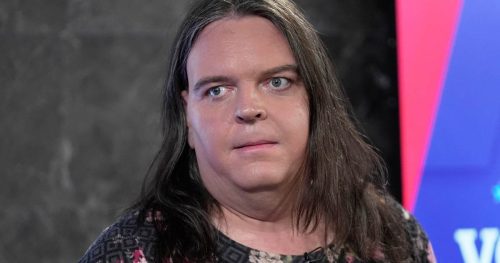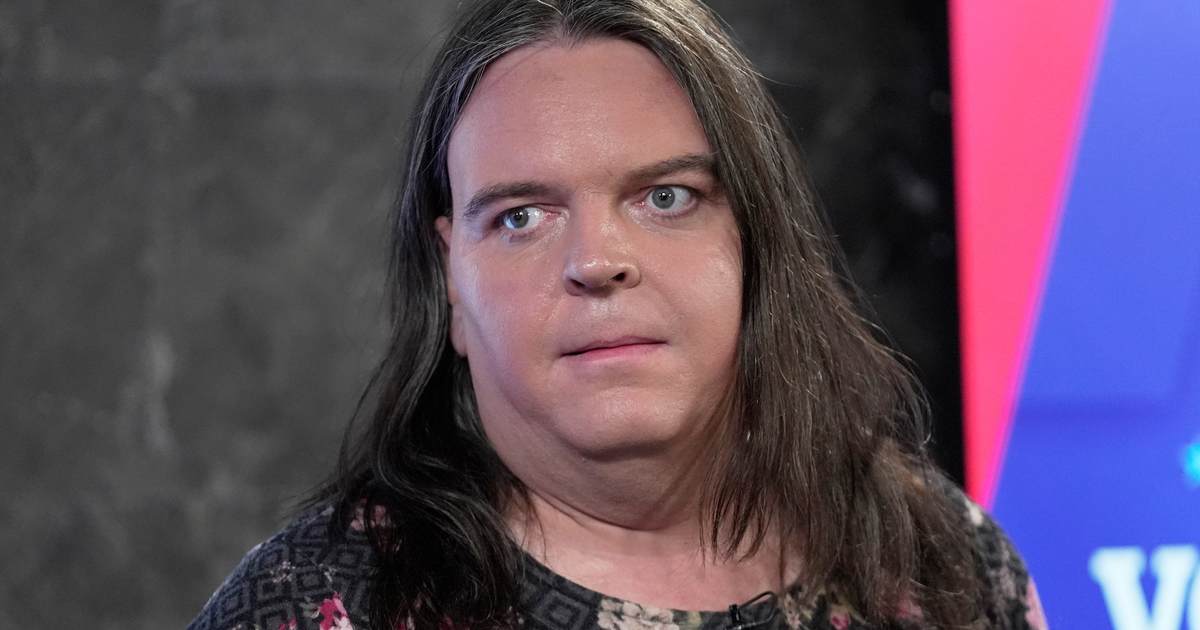
A blunt look at Ashley Webb’s Senate bid and what it tells us about where the Democrat Party is headed.
Ashley Webb, a transgender Democrat trying to take Graham Platner’s spot on the ballot in Maine’s U.S. Senate race, has become an unmistakable symbol in this cycle. Webb’s profile fits a clear pattern: a candidate marketed as relatable and working-class, while carrying a platform shaped by identity-first politics. The reaction from the left and the media tells you almost as much as the campaign itself about current Democratic priorities.
Plenty of folks have tried to name the new face of the Democrat Party, and New York’s “race-communist mayor Zohran Mamdani” gets floated a lot, but Webb complicates that shorthand. Webb’s pitch leans hard on gender identity as political capital, and the party’s willingness to elevate that makes a broader statement about their candidate calculus. Conservatives watching this see a party increasingly comfortable putting identity ahead of traditional concerns like security and economic common sense.
https://x.com/RNCResearch/status/2077913037005099366
There’s an obvious logic for Democrats here: nominate someone who energizes the base’s cultural instincts and signals ideological purity, even if that choice hands Republicans an easy target. Webb is presented as an everyperson songwriter from the working class who “just wants to make America better,” and that kind of packaging is meant to neutralize ordinary voters’ doubts. But beneath the branding are policy signals that matter, and those signals aren’t subtle.
One of those signals is a blunt stance on firearms framed around public safety and judgment calls, including proposals to take guns away from people the campaign or the state labels as “a danger to society.” That phrasing makes clear who gets to decide and what powers the state wants to claim. For voters worried about civil liberties and due process, that’s not reassuring; for the progressive base, it reads as decisive action.
Maine Democrats aren’t shy about their choices, which suggests they have moved past mere tolerance for unconventional nominees into endorsement. Platforming Webb says the party believes such a candidacy can be normalized at higher levels of government. If the party truly believes that, the next step is predictable: lean in harder and prioritize identity-driven narratives over broad electoral appeal.
This isn’t happening in isolation. You see the same pattern with figures like Sarah McBride and Rachel Levine occupying high-profile roles, and the left treating those placements as tokens of progress rather than policy competence. The cumulative effect is a message that ideological signaling matters more than governing ability. That’s a risky bet when swing voters are focused on cost of living, border security, and public safety.
From a Republican viewpoint, Webb’s run is a gift and a warning. It’s a gift because it makes contrast easy: traditional conservatives can point to familiar issues and practical solutions while Democrats debate litmus tests. It’s a warning because it shows how far the party will go to align with activist priorities, even if it harms their general election chances. Voters should expect more candidates like Webb as the party pursues cultural dominance instead of broad-based problem solving.
Democrats face a choice between doubling down on symbolic victories or returning to policies that win across the country. If they select Webb and mirror that strategy elsewhere, their future will look very different from the past decade. Democrats, I’m begging you. Run Ashley Webb. Not because it helps you win, but because it will show, once and for all, the direction your party really wants to go.