Henry Remington Herod was sentenced to 30 months in prison and ordered to repay $1.18 million after a federal case found he orchestrated and helped file dozens of false tax returns that claimed COVID-era and fuel-related refundable credits, involving multiple co-conspirators and large refund totals across tax years 2021 and 2022.
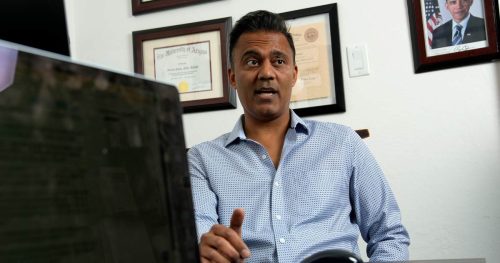
Henry Remington Herod, 43, received a 30-month prison sentence and an order to pay $1.18 million in restitution following his conviction for preparing and submitting false federal income tax returns that sought improper refunds. The sentence was imposed by Chief U.S. District Court Judge Eric C. Tostrud on July 16, 2026, marking the resolution of a multi-layered scheme uncovered by investigators.
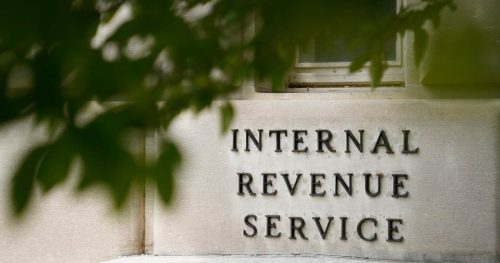
Federal court documents place the conspiracy beginning in or about April 2022 and continuing through at least May 2023, during which Herod worked with Matthew McDowell and others to obtain fraudulent payments from the Internal Revenue Service. McDowell was separately sentenced on April 6, 2026, and the records tie both men to a pattern of recruiting filers, fabricating return data, and submitting claims the government later determined were false.
The fraud relied on soliciting names, addresses, and Social Security numbers from others and then fabricating employment, income, and tax credit details to support refund claims. For tax year 2021, Herod knowingly and willfully filed returns claiming refundable sick and family leave tax credits that were made available to certain self‑employed individuals because of COVID‑19-related care, and for 2022 he prepared false returns that included refundable fuel tax credits.
Herod not only filed returns himself but also charged co-conspirators a fee extracted from the fraudulent refunds he arranged, using the proceeds as his profit for preparing and submitting the false claims. In total, Herod filed 42 fraudulent returns for tax year 2021, claiming $1,290,267 in refunds, and 60 fraudulent returns for tax year 2022, claiming $1,460,143 in refunds, figures that underline the scheme’s scale across two filing seasons.
“Stealing from the United States is stealing from hardworking Americans. We are grateful for the strong partnership with IRS Criminal Investigations in bringing this case forward, and we will continue working to find and prosecute those who steal from the American taxpayers,” said U.S. Attorney Daniel N. Rosen, restating the government’s position that such fraud harms taxpayers and public trust.
The record shows Herod taught McDowell how to prepare fraudulent returns, including techniques to falsely claim refundable fuel tax credits, in exchange for $400, and with that instruction McDowell prepared and filed thirteen fraudulent 2022 income tax returns claiming $282,429 in refunds. Together, the pair knowingly and willfully completed and filed 115 fraudulent federal income tax returns, falsely claiming the filers were entitled to approximately $3,032,839 in refunds.
Investigators and prosecutors pointed to the COVID-era relief programs as the avenue the conspirators exploited, using available credits as cover for illegitimate refund claims while stripping resources meant to help people and businesses. “This sentencing is yet another example of the sheer greed that plagued COVID-19-era benefit programs intended to help alleviate the hardships individuals and businesses were experiencing during the pandemic,” said Adam Jobes, Special Agent in Charge, IRS Criminal Investigation, Chicago Field Office.
The case was handled by Assistant U.S. Attorney Matthew C. Murphy, who prosecuted the matter in federal court, and the judgment includes restitution tied to the loss calculations developed by investigators. The criminal resolution underscores the investigative work by IRS Criminal Investigation agents and a continuing effort to identify, disrupt, and prosecute schemes that turn taxpayer relief programs into opportunities for fraud.