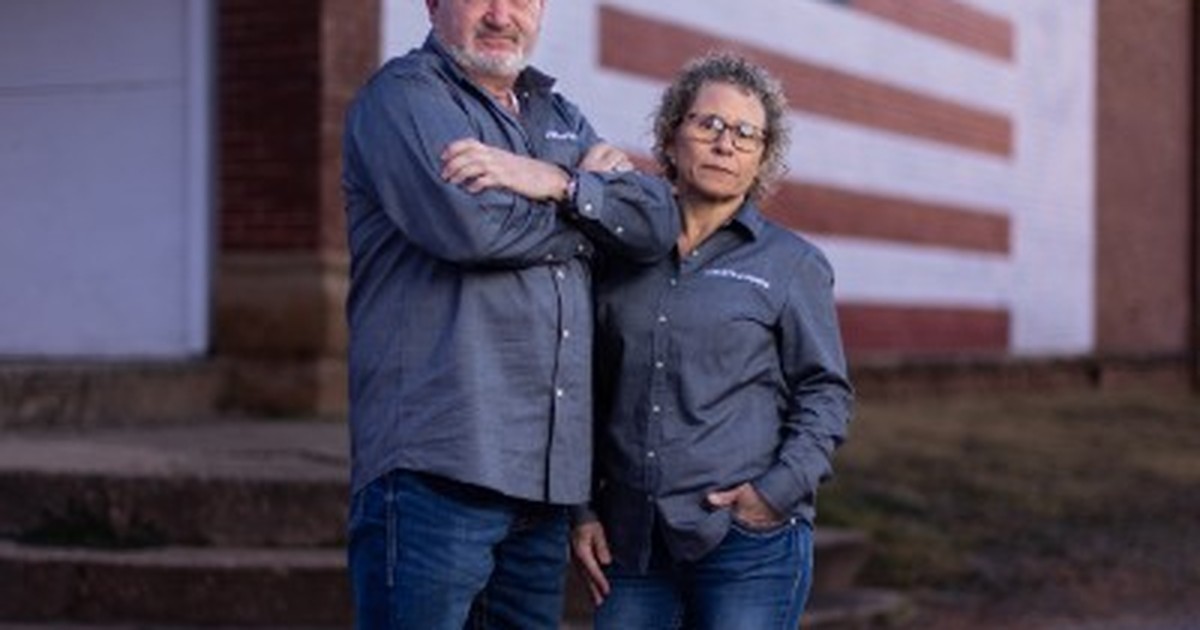
Oklahoma County judge cleared the way for a rural couple to press a constitutional challenge after the state tried to block them from selling custom caskets without a funeral director license.
An Oklahoma County judge on Thursday refused to toss a lawsuit brought by Candice Mentink and Todd Collard, the owners of Caskets of Honor, who want to sell decorated caskets without being forced to become licensed funeral directors. District Judge Don Andrews denied the motion filed on behalf of the Oklahoma Funeral Board, allowing the case to move forward to full argument. The decision lets the couple raise constitutional claims under the Oklahoma Constitution against the Funeral Services Licensing Act.
The state defended its licensing regime as a consumer-protection measure intended to help grieving families, maintain price transparency and support the intrastate funeral industry. Regulators argue funeral homes should stock caskets, provide price lists and meet standards for consumers shopping at times of need. Mentink and Collard counter that those rules have no real connection to public health or safety because Oklahoma does not regulate casket design or manufacture and allows burial without any casket at all.
The couple started Caskets of Honor after Collard, a graphic designer, began creating vinyl wraps for caskets similar to vehicle wraps and noticed the market potential. The custom designs include religious art, hunting and fishing themes, sports colors, family photos and military tributes tailored to families who want a distinctive sendoff. They buy wholesale caskets, apply the wraps at a workshop in Calvin, and ship products around the country.
Their first real run-in with state regulators came when they exhibited at the 2021 Tulsa State Fair and an investigator from the Oklahoma Funeral Board visited their booth posing as a customer. According to the couple, the investigator told them they “have to shut down immediately and pack your stuff up and leave.” Soon after, Mentink and Collard were hit with a $4,000 fine and ordered to stop marketing directly to the public inside Oklahoma.
Under current law, selling a casket is treated as selling “funeral service merchandise,” which effectively forces vendors into the funeral business if they want to sell to the public. That means someone who sells caskets to families would be required to hold a funeral director’s license, maintain an embalming room, and operate a full-service funeral home—requirements the couple says are unrelated to the simple act of selling decorated boxes.
Because Oklahoma law does not bar out-of-state sellers from shipping into the state, Mentink and Collard moved their business operations to Texas to keep serving customers nationwide. They argue the licensing regime functions as a protectionist barrier that limits competition and preserves high prices charged by funeral parlors. From their point of view, regulators are protecting incumbents rather than consumers.
Qualifying for a funeral director’s license in Oklahoma is no small task: it typically requires two years of mortuary science education, a one-year apprenticeship involving embalming, passing exams, and the resources to run a full funeral facility. The couple notes that completing that training and meeting facility requirements can cost between $20,000 and $48,000 in tuition and fees—an investment that makes no sense for a small company focused on customizing caskets.
The lawsuit alleges the rules violate constitutional protections for the right to earn a living and for free speech, arguing that decorating a casket and offering it for sale involves expressive and economic activity that regulators cannot sweep under a licensing scheme. Institute for Justice attorney Betsy Sanz said, “This is a massive first step toward protecting the rights of all Oklahomans to earn an honest living free from unreasonable government regulations.” The plaintiffs now have a chance to present those arguments on the merits in court.
https://x.com/JustinPearsonIJ/status/2041891755944014205
The couple says they view the court’s July 30th decision as an important opening, not the finish line. Mentink told reporters, “We’re thankful for the July 30th decision and encouraged that the court believes our case deserves to be heard,” and added, “This has never been about attacking anyone—it’s about standing up for families everywhere, starting here in our home state of Oklahoma, and what we believe is right. We know there’s still a long road ahead, but we’re grateful for this opportunity to continue seeking justice.”
Mentink also emphasized the personal side of the fight and the faith that guides them through it, saying, “We trust God through every step of the journey and appreciate all the prayers and support we’ve received.” Their legal challenge now tests whether common-sense selling and custom workmanship can be shackled by licensing rules that start to look more like market protection than public safety regulation.