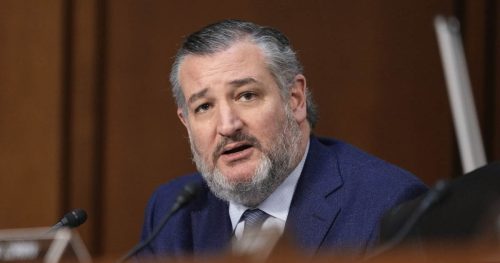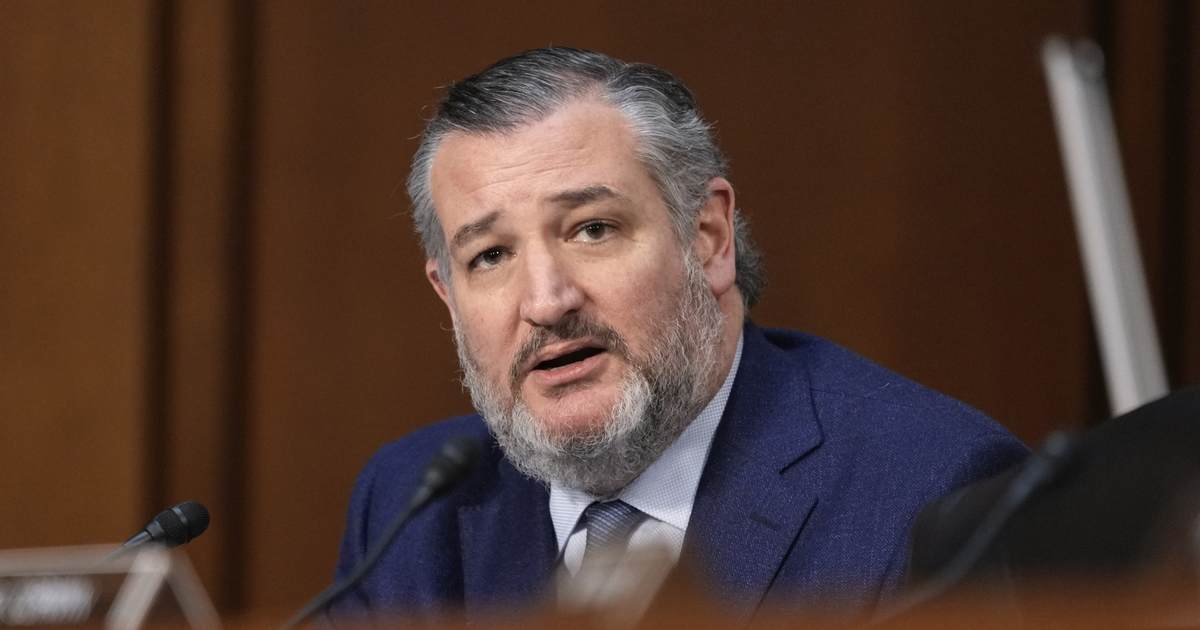
Sen. Ted Cruz pressed a counterterrorism witness about Michigan Democrat Abdul El‑Sayed’s associations with groups tied to the Muslim Brotherhood and related organizations, producing testimony that raises fresh questions about funding, leadership links, and civic groups involved in get-out-the-vote efforts.
At a recent hearing, Cruz focused his questioning on counter‑terrorism expert Kyle Shideler, who outlined ties between El‑Sayed and several Islamic organizations that the witness associated with the Muslim Brotherhood. Shideler said those connections included family relationships and organizational overlaps that merit scrutiny. The exchange put El‑Sayed’s network under a brighter public spotlight as the midterm campaign season heats up.
Shideler pointed to El‑Sayed’s father‑in‑law, Jukaku Tayeb, as a significant node in the chain of associations, noting Tayeb’s past leadership at CAIR‑Michigan. According to the testimony, Tayeb’s role with CAIR linked him to other groups like the Islamic Society of North America, which Shideler said has founders and affiliates with known Brotherhood ties. Cruz used those threads to press the point that personal and institutional relationships can’t be ignored when assessing a candidate’s associations.
The witness also discussed Emgage, a civic action group that drives voter mobilization in Muslim communities, and flagged it because of its close operational relationship with CAIR. Shideler emphasized that Emgage’s founder was once on a terror watchlist, a detail that adds to concerns in Republican circles about vetting and influence. For conservatives watching the Michigan race, the overlap among staff, donors, and allied organizations looks like a pattern rather than an isolated coincidence.
https://x.com/townhallcom/status/2085123812555722930
Campaign finance details reinforce the political angle: testimony and reporting show El‑Sayed’s campaign has received substantial contributions tied to CAIR leadership, totaling more than $115,000 so far. That sum has drawn attention from state officials and political opponents who argue financial ties deserve as much examination as organizational links. CAIR itself has been added to lists of foreign terror organizations by multiple state governments, a fact that continues to be referenced in political debate.
Shideler’s account also highlighted structural concerns about the Islamic Society of North America, asserting that its founders committee contains individuals long associated with Brotherhood activities. Those organizational histories are meaningful for Republicans who view institutional continuity as evidence of ongoing influence rather than mere historical footnotes. The witness framed these affiliations as part of a web connecting civic groups, leadership figures, and advocacy networks.
The Muslim Brotherhood was described in testimony and reporting as a core node in this matrix, and it was “designated as a terror organization” by the Trump administration in January, a move that still reverberates politically. That White House designation is often cited by critics to argue for heightened scrutiny of any American political actor with apparent ties. In this debate, labels from federal action get folded into campaign narratives on both sides.
All of this comes as El‑Sayed prepares to face Republican Mike Rodgers, a former FBI agent, for Michigan’s open Senate seat in November’s midterms. Rodgers’ background in law enforcement is being contrasted in Republican messaging with El‑Sayed’s alleged associations and the fundraising sources spotlighted in testimony. The matchup now carries national attention because of security and influence themes raised during the hearing.
From a Republican viewpoint, the hearing reinforced a simple political principle: associations and money matter, and they deserve rigorous public examination rather than soft treatment. The testimony delivered concrete names, transactions, and organizational links that opponents can use to press their case on the campaign trail. As the contest advances, those facts will shape messaging and media coverage without the need for speculation.